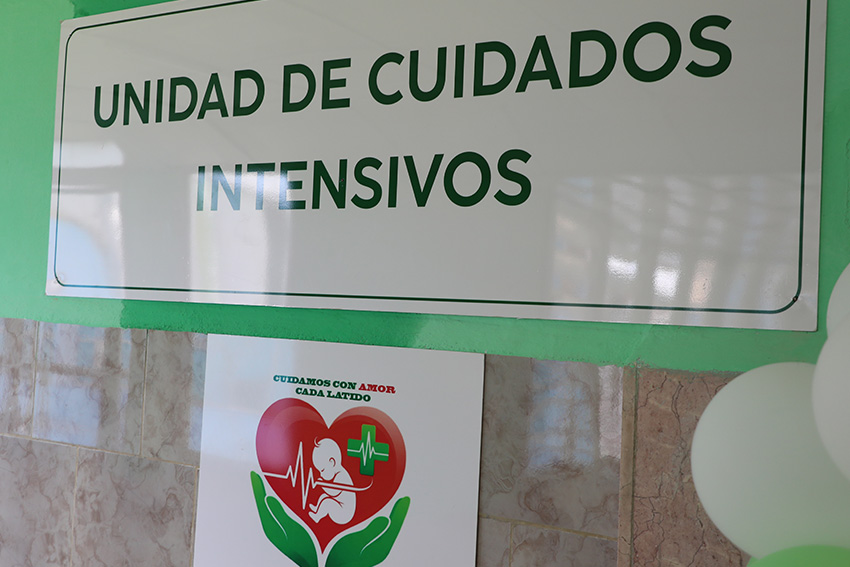
Over the last four months, a WhatsApp group called “For Our Children” kept Dr. Luis Enrique's phone flashing at all hours. His relentless concern for the health of all the children admitted to the intensive care unit at Mártires de Las Tunas Hospital was suddenly compounded by an almost insurmountable obstacle. He began to deal with cement, plans, and non-existent budgets.
From the shadow of integrity that is reflected in his gaze, he recalls that morning in 2024 when he stood up at the provincial pediatric hospital meeting and spoke about the serious problems in the intensive care unit, both constructive and structural, the electrical deficiencies, the damaged carpentry, and the lack of hygiene.
From the far right of the room, a stranger raised his hands and offered to donate five million Cuban pesos to reverse the situation that the Head of Intensive Care Services had just described. That day, no one was aware of the whirlwind of change that was about to begin.
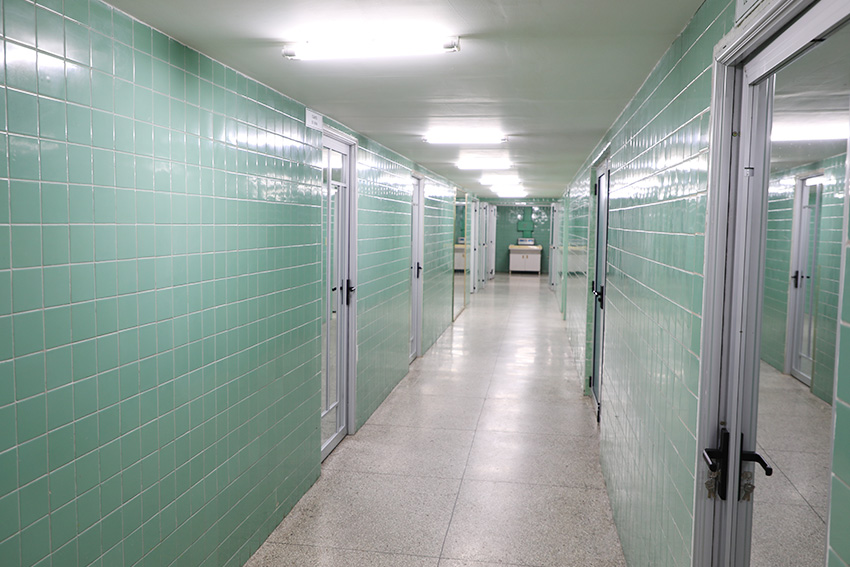
…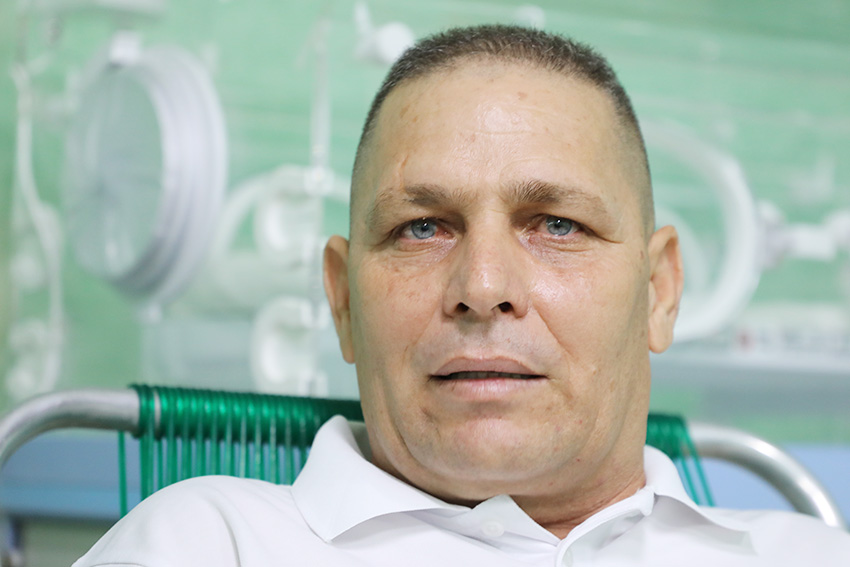 In the middle of an impeccable hallway, with luxurious doors and comfort that was evident in every detail, Dr. Luis Enrique Velázquez recounts the path of his sleepless nights, an endeavor that, like everything else, was also experienced as a team.
"The five million were allocated to try to recover the last few cubic meters of the ward, which were the isolation rooms and were in the worst structural condition. Still somewhat skeptical, we began the work, and the final result surprised us. The work was very well done, and the area stood out in stark contrast to the rest of the ward. We had to try to extend the construction..."
"That's when the first shocks came because we had a very complex decision to make. We didn't have an allocated amount, we didn't have money, the hospital's repair budget is very limited, and it's an old building that requires maintenance of all its structures. We needed significant financial support."
"We called on self-employed workers under the slogan that intensive care belonged to everyone. It's not that we doctors are doing well in this foray into unknown territory, but it was always about achieving better conditions for the children."
“We know that the people we receive, every day, face the most difficult days of their lives here, the fear of losing the most important thing they have, and providing them with good conditions and excellent medical care is the least we can do.”
That “intervention” bore fruit. Once they had, not the money in hand, but the commitment of several self-employed workers that they would cooperate, they set out to find a place that had the conditions to provide mechanical ventilation, which is the most complex thing done in the ward. Of course, approval was sought from the Ministry and the National Intensive Care Group.
Four beds from the Oncohematology Department took on the demands of the service, and then they decided to “tear down the ward.” “We destroyed the entire ceiling, as well as the carpentry, electrical, and plumbing installations, and the floor, and we fulfilled each objective, starting from scratch,” says the doctor.
"Everything was achieved in this way, with the goodwill of people I didn't know, whose names I didn't know, whom I had never seen before, and who were willing to help us. They said, at the right moment, 'I want to contribute."
"But the time came when the work overwhelmed us, and we had nowhere else to turn. We used the hospital's repair budget, but it was insufficient, so we requested help from the government through the mayor. The support came from the one percent territorial tax collection, and we were allocated another five million pesos."
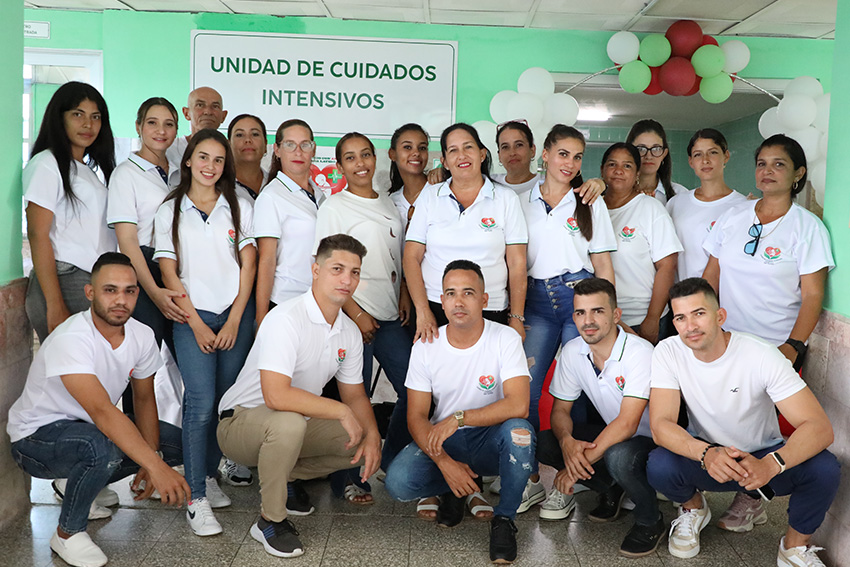
“Then we could breathe easy again. We finally got the capital to cover all the payments for materials and labor, and we agreed with the mypimes who were working on it to finish the ward. It was four intense months of sleepless nights and worry, but every minute was worth it.
THE INSPIRATION OF AN “UNKNOWN”
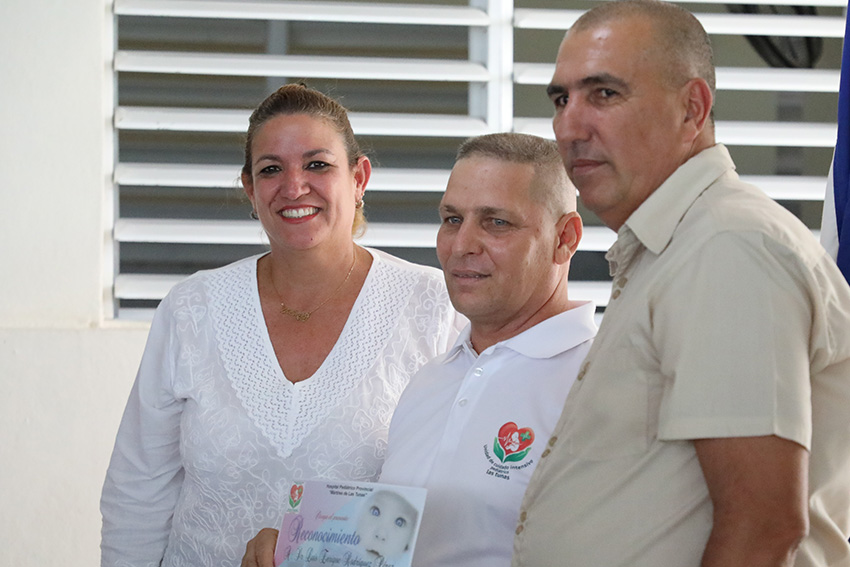
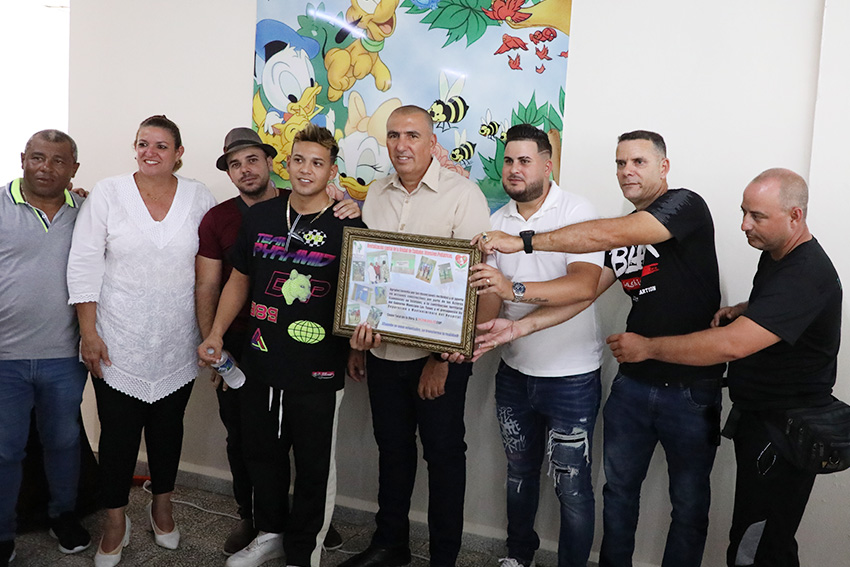
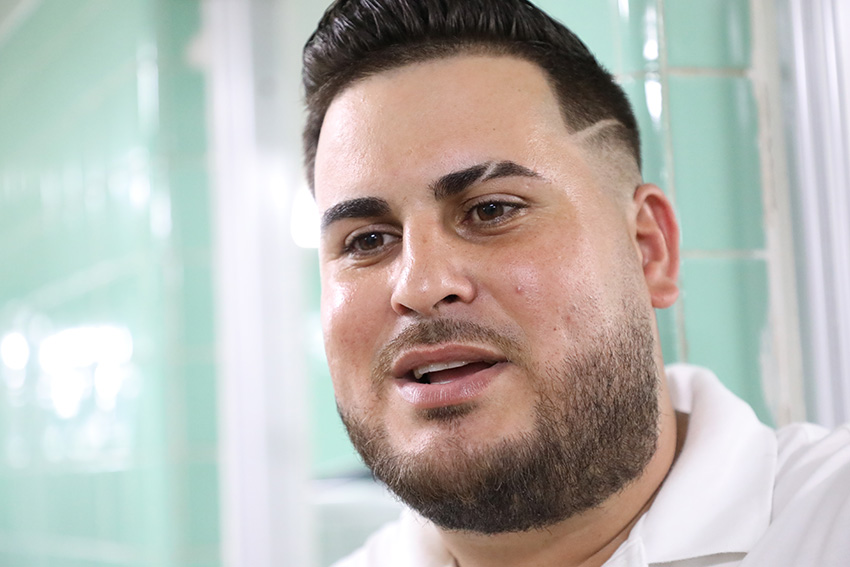 Yoiler Eduardo Aldana also remembers the day when Dr. Luis Enrique, or “the twin,” as he is affectionately known, stood up at that provincial meeting to reveal the reality of intensive care. He was the stranger, on the far right of the room, who signed with his word the first donation that set in motion the work that now earns him so much praise.
"I was invited that day because I had made small contributions to the institution in the past. The twin talked about the great survival rates the service had achieved, but he said that the problems also had to be mentioned. I will never forget how he tearfully recounted the daily problems they faced."
"My eyes also filled with tears because I was seeing a brilliant professional in pain because he couldn't provide a better service, and it occurred to me to give the money. I hadn't planned it. I own the food marketing company Sofía, and I thought, in a matter of seconds, that the money couldn't be put to better use."
"I was here at the construction site, and it's hard not to get involved. When necessary, I contacted other self-employed workers, and they helped us. The micro-SME Ya somos Dos, El Caché, and many other small businesses, economic actors, and individuals quickly joined in. It was a hive of people wanting to help because it was about the health of our children."
"With the collective effort, we managed to install more than 700 meters of false ceiling, polish the floors, install more than 100 light fixtures, about 60 aluminum doors with glass that cost around $350, veneers, display refrigerators, refrigerators, microwaves, coffee makers, in short, more than 10 million pesos were spent, bearing the stamp of the new economic actors."
Yoiler is only 30 years old, and his two children are his greatest motivation, the ones who led him to become part of a “difficult venture” that tested his sanity, but from which he confesses to having emerged stronger, “with God's blessing.”
ON THE OTHER SIDE OF THE GLASS
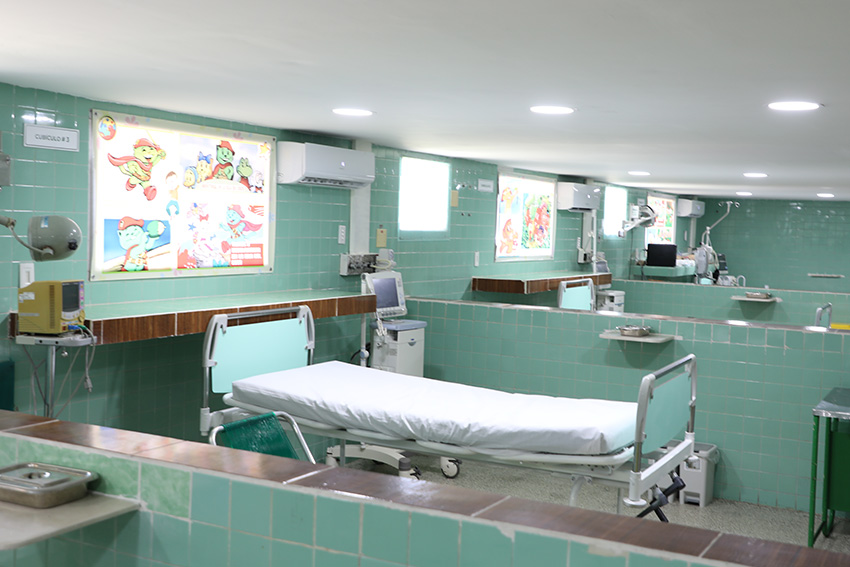
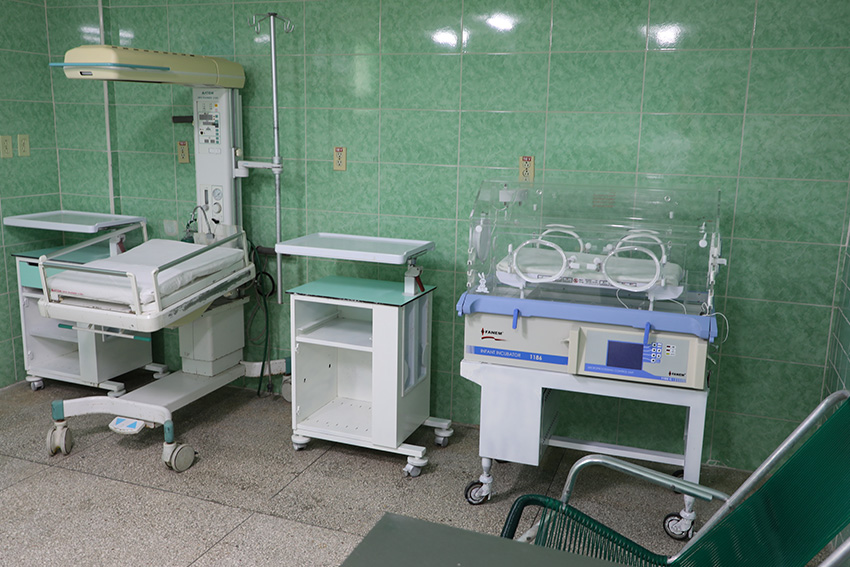
To the delight of the people of Tunas, the intensive care unit now boasts optimal structural conditions. Finally, an isolation cubicle was built, and the premature infant service was established, a long-held dream that would allow for personalized, high-quality care.
Thanks to donations, the ward was fully air-conditioned with brand-new equipment, optimal lighting, and independent electrical installations that allow children to rest and undergo tests and procedures without needing to be moved.
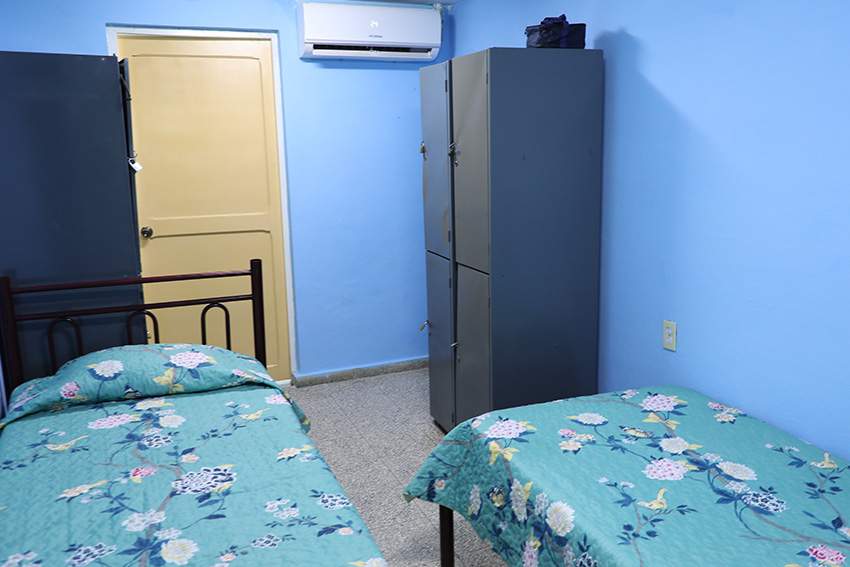
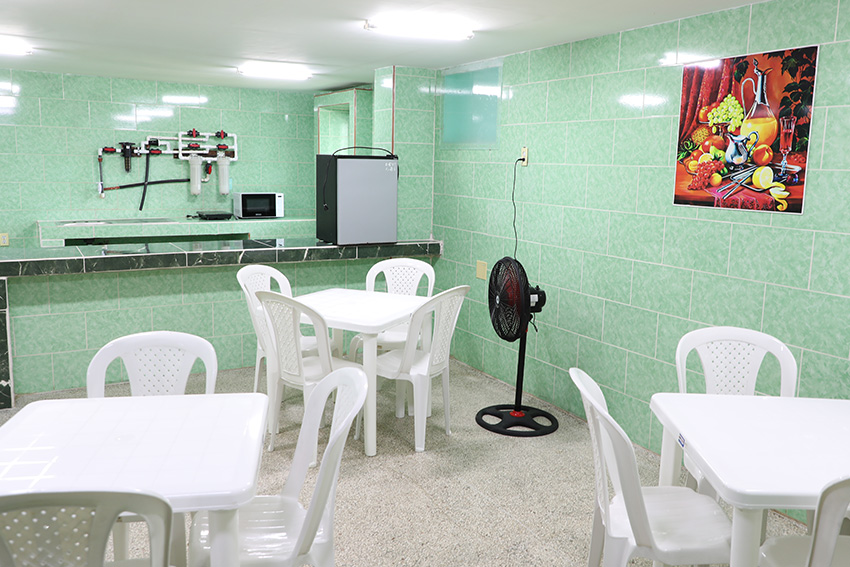
The carpentry was replaced with luxury doors and windows brought in from Puerto del Mariel, providing additional comfort. Similarly, a room for teaching activities was equipped, a room for interviews with family members was built, as well as a dining room and bedrooms for healthcare personnel.
The plumbing was redone from scratch, and marble sinks were purchased to ensure their long-term functionality. Overall, the ward is now a pleasant, attractive, and well-equipped space, with a dedicated team whose motto is that nothing is more important than a child's life.
…
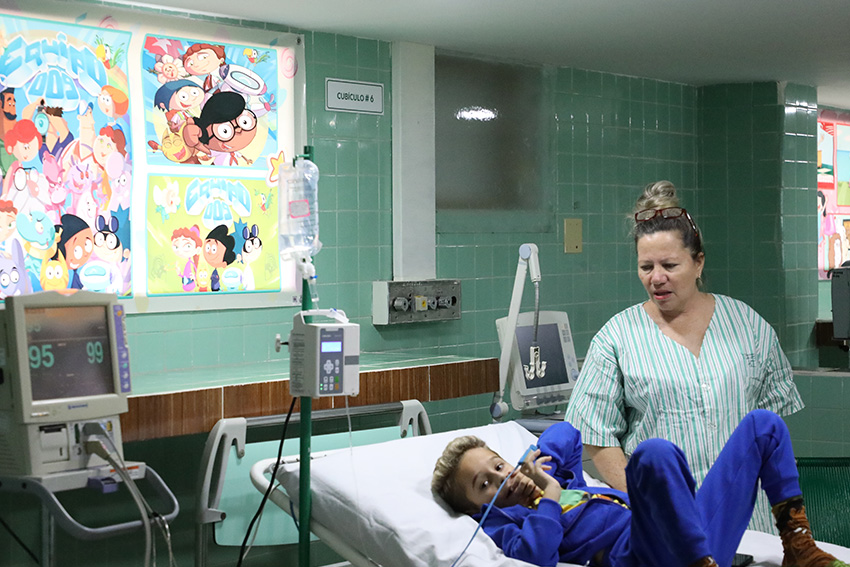
From his bed in the intensive care unit, Caleb has little understanding of the reason for the bustle of faces he sees in the distance. He is unaware of the turmoil of the last four months, or the gestures of strength and solidarity that have made possible the space decorated with photos of Elpidio Valdés that he now shares. How beautiful that Luis Enrique's sleepless nights, Yoiler's courage, and so much solidarity in the form of hugs rest in the ignorance of a child.