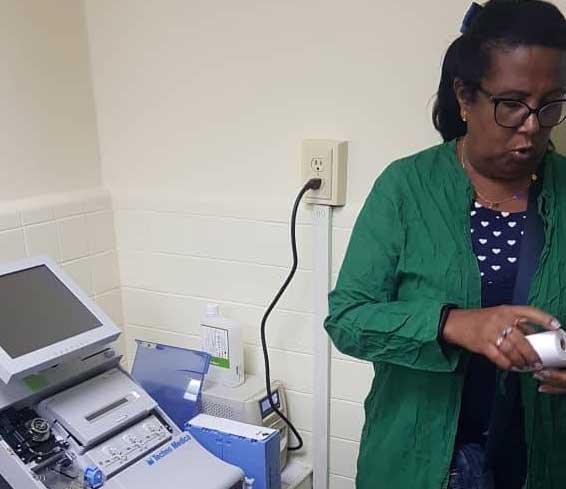
Only those familiar with the daily routines inside the Provincial Electromedicine Center in Las Tunas understand what it means for its specialists to have a new blood gas analyzer installed at the Dr. Ernesto Guevara de la Serna General Teaching Hospital. The operation of this device allows for faster and more accurate analysis results.
Telecommunications and Electronics Engineer Pedro Alberto Álvarez Torres told 26 that the province's largest hospital had two such equipment, one of which is only two years old, having replaced a previous model. Due to its importance, it was assigned to the Intensive Care Unit.
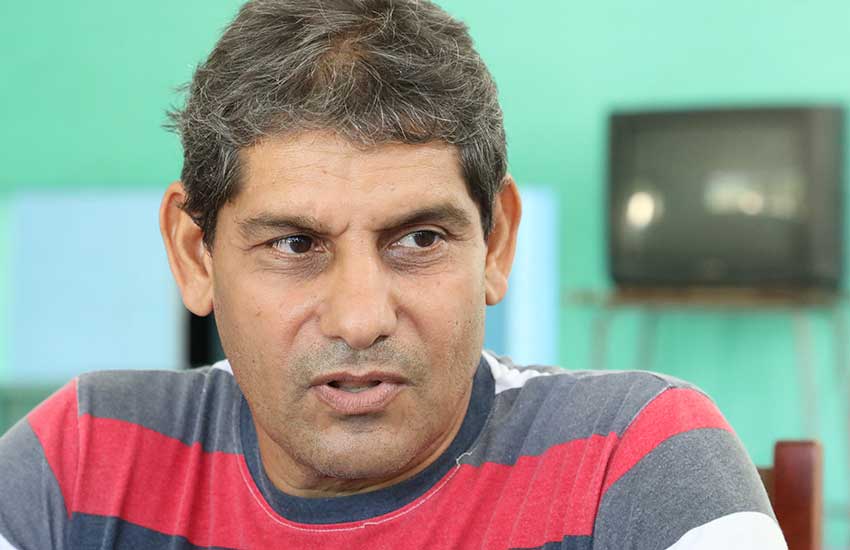
The electro physician asserts that the Neonatology Service, which also requires a blood gas meter as it shares the responsibility of ensuring the health of newborns, was being affected because the equipment it had was obsolete, and the supplier no longer provides replacement parts.
“In the midst of the complex situation we are experiencing, the country decided to purchase backup equipment,” emphasizes Álvarez Torres. “We were pleased to learn that it was delivered and distributed to the provinces. As soon as we received ours, the technical staff began working with great optimism.”
Biomedical engineer Arleidys Martín Agüero admits that installing the blood gas meter was a challenge in her career as she had never handled such an advanced model. The expert team worked not only with the precision of respecting the warranty clauses, but also with the responsibility of ensuring its proper installation, which is vital for the patients in need.
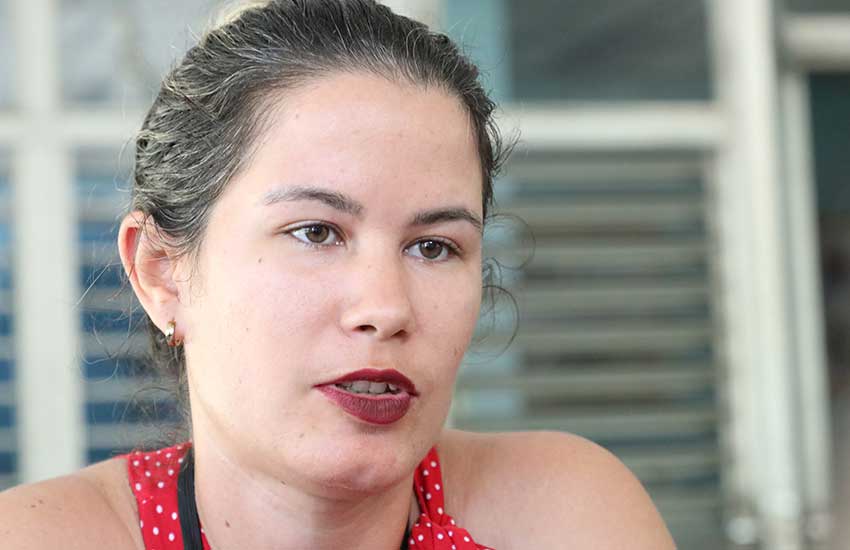
“This Japanese technology is very user-friendly, and like other blood gas analyzers, it constantly measures around 10 parameters to determine oxygen, carbon dioxide, and blood pH levels, among others. In ICU rooms, it's vital to monitor the condition of a patient who can't tell you how they're feeling,” Arleidys explains.
“We were very happy to install the equipment because our blood gas analysis is always very low, and this advanced model is a lifesaver. In this first stage of familiarization, we have to go to the room and look closely at the technology, although this model, being fully automatic, performs its own checks.” At the moment, we performed a clinical analysis, and everything was perfect.”
After three hours, the laboratory team completed their work in the Neonatology Department. They returned home late in the afternoon, satisfied with their contribution to optimizing the diagnosis and critical treatment of newborns.
This laboratory team constantly grapples with the frustration of the lack of spare parts in the current crisis in Cuba. Their profession requires them to study, thoroughly reading the equipment manufacturers' instructions to try to make adjustments when necessary, and from this commitment, innovations are born.
The successful installation of a modern and efficient device is considered a milestone for the Las Tunas Electromedicine Center, whose specialists celebrate with the satisfaction of making its main mission possible: supporting health services with talent and a sense of belonging.