The steady increase in drug abuse worldwide is a reality that affects us, even in the Caribbean. On this island, as in many other places, synthetic cannabinoids are the most widely available and easiest to obtain.
Why is this? Among other reasons, their low cost and the quantities available. This type of drug is more addictive and harmful to the body, yet it is consumed in greater quantities than natural drugs.
Las Tunas is no stranger to this increase. In the second half of 2024, the province saw a spike in consultations for both acute intoxication and patients addicted to cannabinoids and other types of drugs.
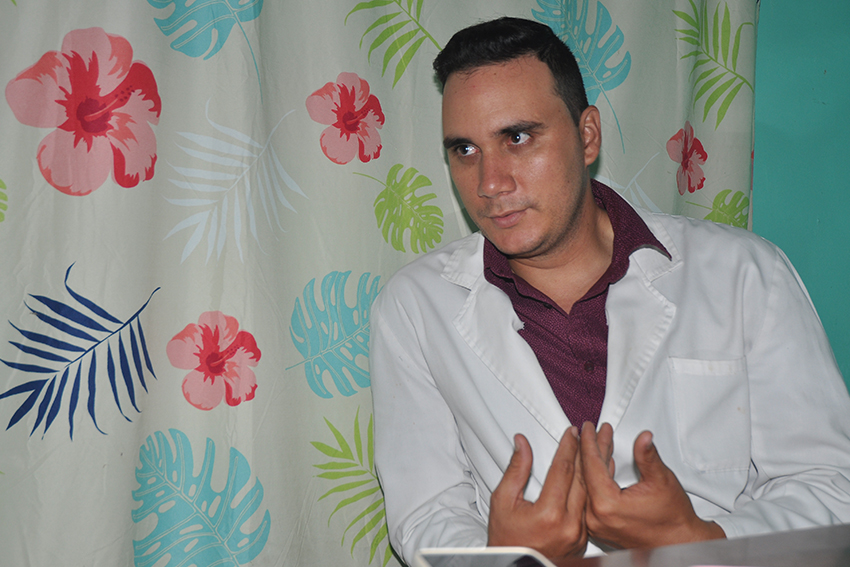 Toxicology and psychiatry experts find it encouraging that the territory is currently at a plateau. Alejandro Mestre Barroso, a toxicologist at Ernesto Guevara Hospital, explains to 26 that this means that we do not have a peak in consumption, but neither do we have a decrease.
He also notes that the detection of cases is advancing and, due to promotional activities and the support of the various factors involved in this process, a decrease in the number of patients is expected.
"We will not see it suddenly, but gradually. This plateau phase is one of the most important for achieving a decrease in the detection of acute cases and new users."
“We predict that, starting in the last quarter of this year, these statistics will begin to decline gradually if we continue our prevention efforts, because once consumption begins, it is so difficult to quit.”
NEED TO RAISE AWARENESS
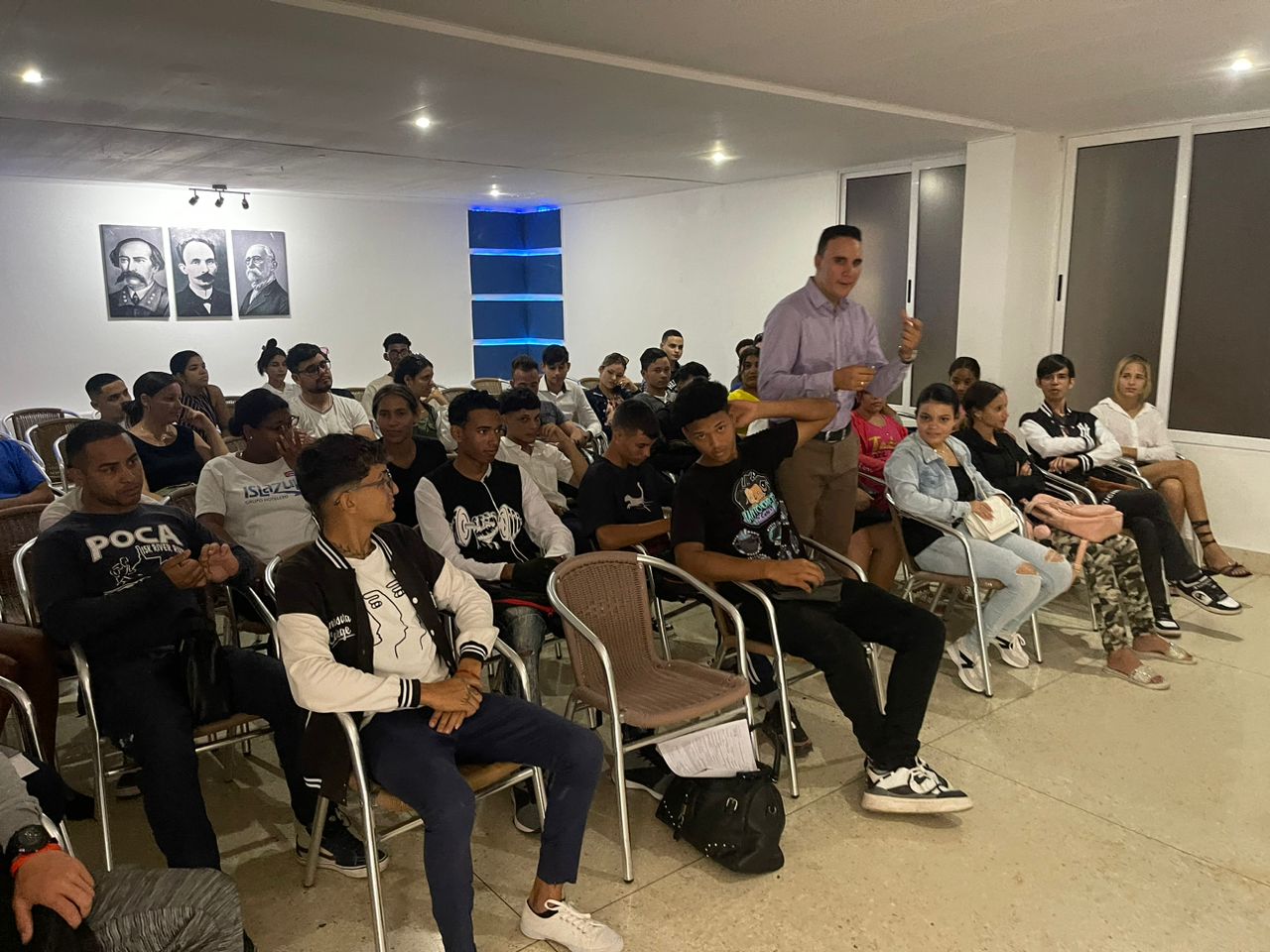
With words of encouragement and concrete actions, health specialists in this area are always seeking to reach everyone, especially young people, who are the most vulnerable when it comes to addiction.
For this reason, the University of Medical Sciences has a Multidisciplinary Chair for the Prevention of Drug Use, promoted by a group of professionals who focus on prevention-related issues.
“This chair is part of the country's drug surveillance network,” explains Mestre Barroso, “because it provides statistics on the age groups, gender, days of the week, and times of day when substances of abuse are most commonly consumed. All this monitoring allows us to develop an action plan that makes it possible to work on eradicating these patterns.”
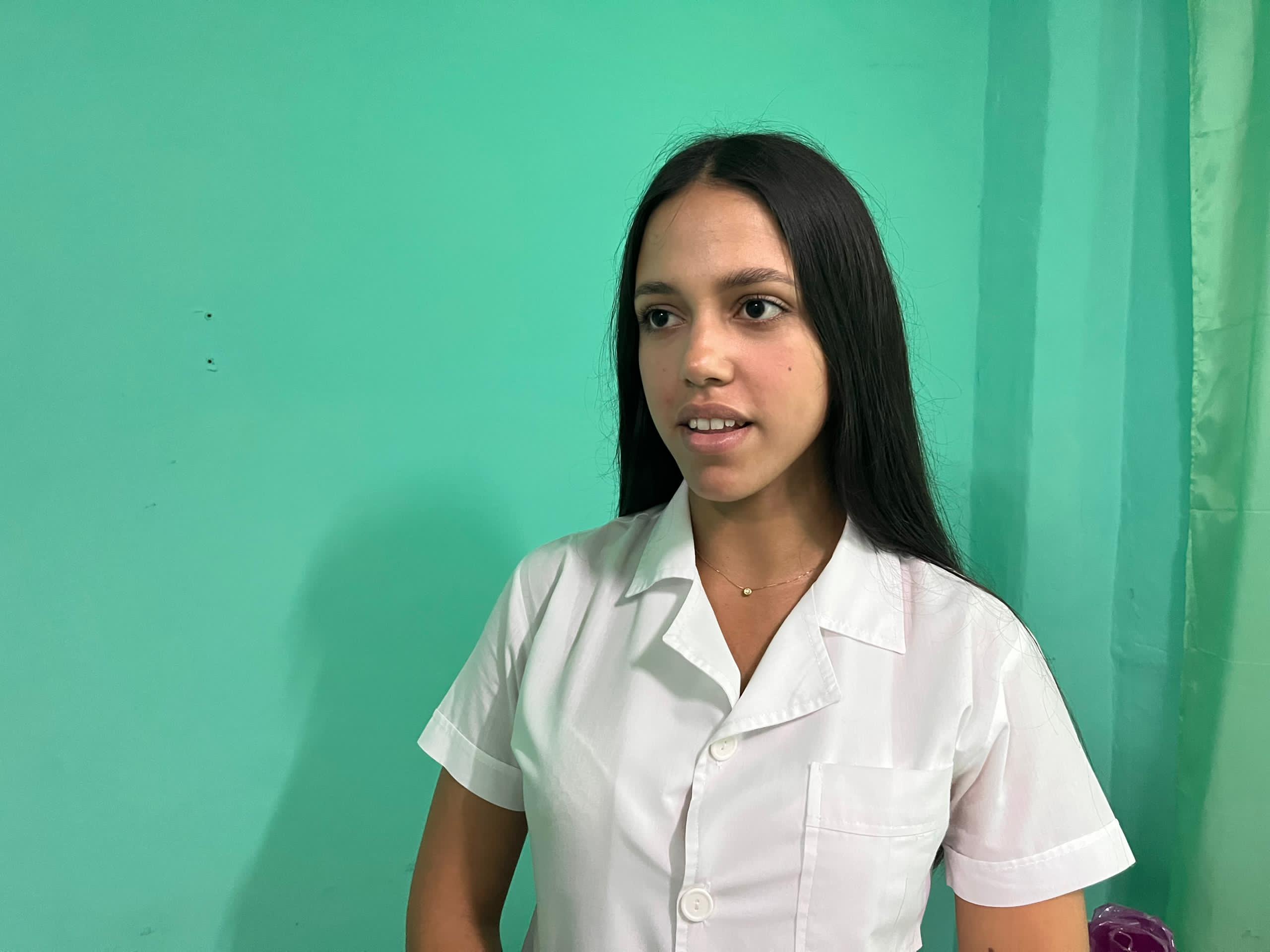 The presence and prominence of the students enable this association to have a wide reach; they can connect with the public due to their less formal and less technical language. Adriana de la Caridad López Lora, medical student
One of those voices is Adriana de la Caridad López Lora, a fourth-year medical student, who says that through her work, she can reach many young people and warn them in time.
"I enjoy giving talks, explaining, and teaching what drugs can do, because we're not just talking about addiction, but also the excessive increase in teenage pregnancy and the spread of sexually transmitted diseases.
“Thanks to outreach projects, we have talked to patients undergoing detoxification at the Psychiatric Hospital; we have also contributed to communities, secondary schools, and pre-university institutions. We have been able to reach large groups of people.”
Talking to her own classmates is now part of her daily routine. It is her vocation to impact as many people as possible with this issue; Adriana feels the need to raise awareness.
Through science and innovation, university professors and local experts are seeking to eradicate the use of these substances that cause so much damage to society and the body.