Cuba has a National Drug Observatory that integrates information, research, and early warning systems, the first of its kind in the world, of which the Ministry of Justice is a fundamental part.
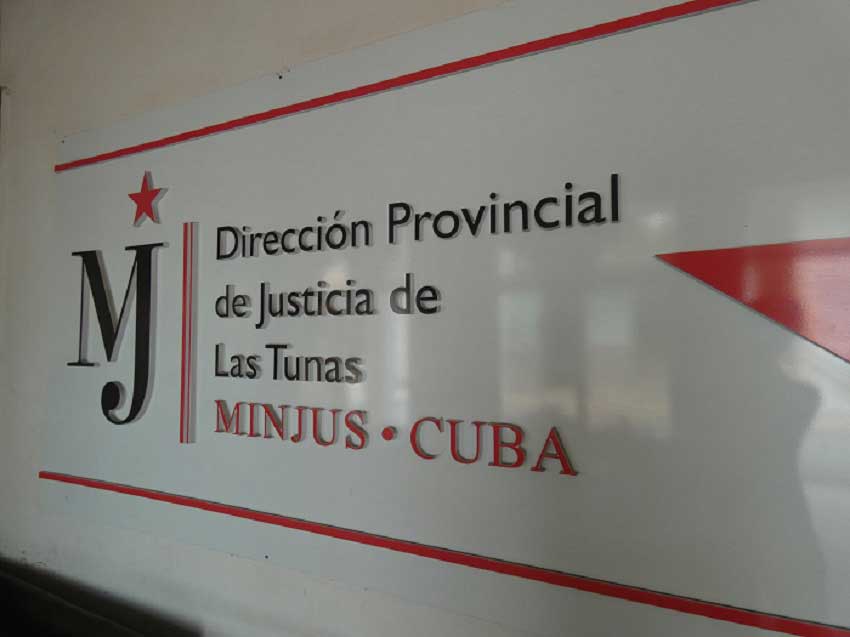
Las Tunas, Cuba.- These working teams include the country's provincial justice directorates and their municipal offices. In Las Tunas, this body works in coordination with the National Revolutionary Police and is involved in the communities to give talks and carry out prevention activities.
María Alina Carralero Ceballo, head of the organization and control department at the Provincial Directorate of Justice (DPJ in Spanish), explained to 26 that, as part of their duties, they teach workshops for legal advisors and the institution's staff, so that they are prepared.
"All DPJ workers must be prepared to issue early warnings to the population. They must also be trained to visit neighborhoods and interact with adolescents and families."
"In the case of vulnerable neighborhoods, we go with the Ombudsman's Office to work with families that have young people going through this situation. That's when we understand that our role is crucial in this whole process.
“We are campaigning on social media about this issue because we are seeking to prevent the future of the youngest people in Cuba, who are the biggest consumers, from being affected,” concluded Carralero Ceballo.
Although the country guarantees accessible care through the health system for addicted patients, rigorous treatment of this complex issue is mandatory for all agencies of the Cuban justice system to consolidate Cuba's policy of zero tolerance for drug use and trafficking.