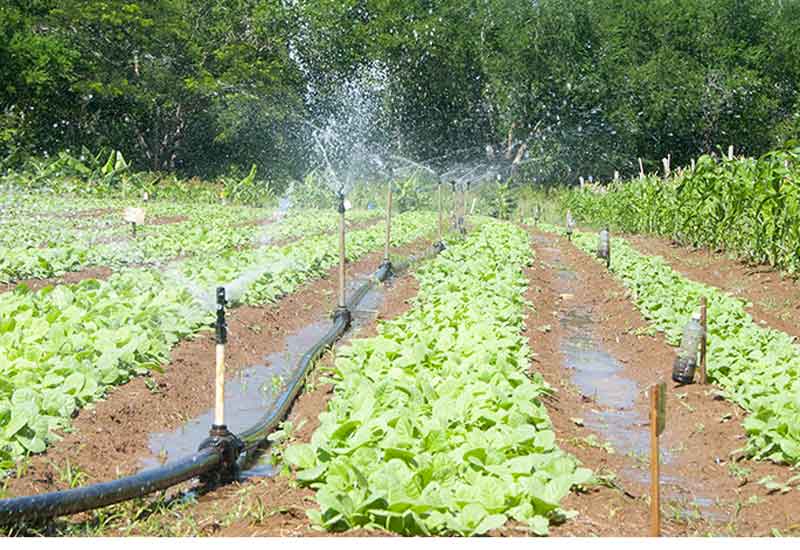
Increasing the areas dedicated to tobacco cultivation in Las Tunas is a recommendation of the TabaCuba Business Group, as there is potential for improved availability of material resources, financial incentives, and bonuses that will stimulate production.
Las Tunas, Cuba.— Enel Espinosa Hernández, deputy agricultural director of TabaCuba, while chairing the tobacco plenary meeting in the province, which was attended by supervisors, farmers, cooperative presidents, and representatives from the banking sector and insurance companies, recalled that 1,060.8 hectares were planted here in the 2018-2019 season. But, in just six years, that figure has dropped to the point that only 223 hectares were contracted this time.
Therefore, he stated, a land survey must be conducted, which will result in the allocation of more areas to those requesting to increase theirs, in addition to defining the status of the beneficiaries who requested to grow tobacco and are now dedicated to other crops.
Espinosa Hernández said that the great challenge is to motivate producers. To this end, additional payments in freely convertible currency and Cuban pesos were designed, based on leaf quality, yields per hectare, planting technology, and other indicators.
Moreover, an increase in the tobacco collection price is expected for those who deliver through May 2026; very low rates for the sale of fertilizers and fuel are also maintained, and other benefits related to bank loan interest rates were announced.
At the meeting, the most outstanding producers in the 2024-2025 tobacco campaign were recognized. The Antero Regalado credit and service cooperative, in the Jesús Menéndez municipality, and the 35th Anniversary, in Las Tunas capital, were honored.
In its development strategy through 2030, Las Tunas intends to plant 700 hectares of tobacco. However, this figure could be exceeded with comprehensive efforts involving not only the Agroforestry Company, responsible for securing the beams and wood for the tobacco houses, but also other organizations.
Tobacco is considered a key component of Cuban agriculture, largely due to the income generated from cigar exports. It also provides an opportunity to harness the nutrients it contributes to the soil for the cultivation of grains, tubers, and vegetables, a valuable and necessary contribution to food production.