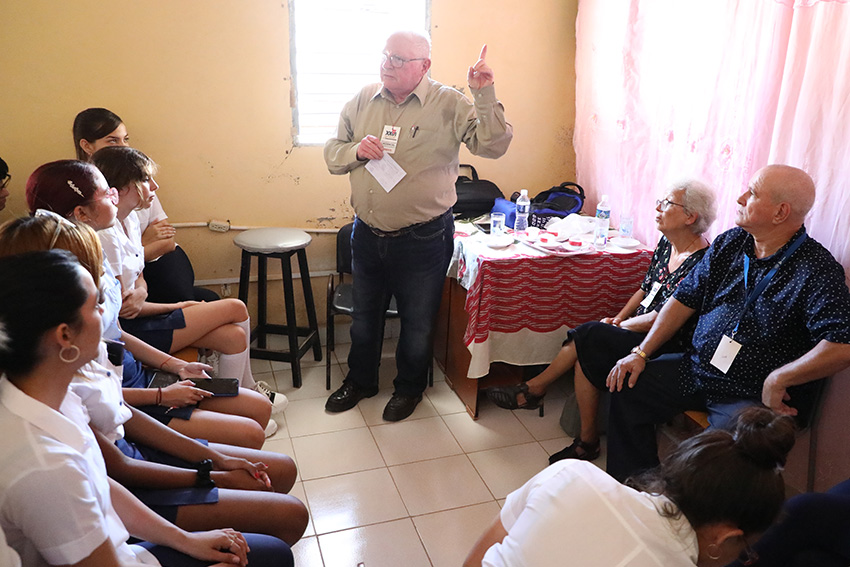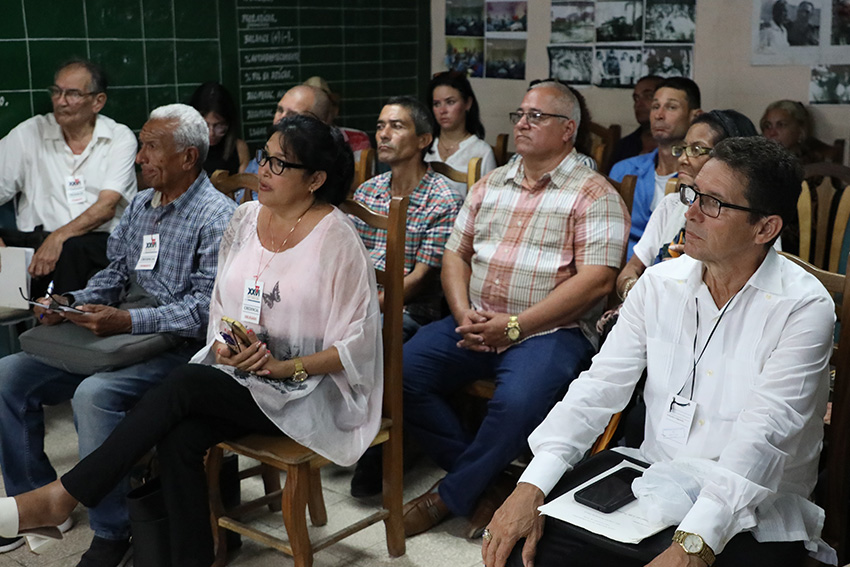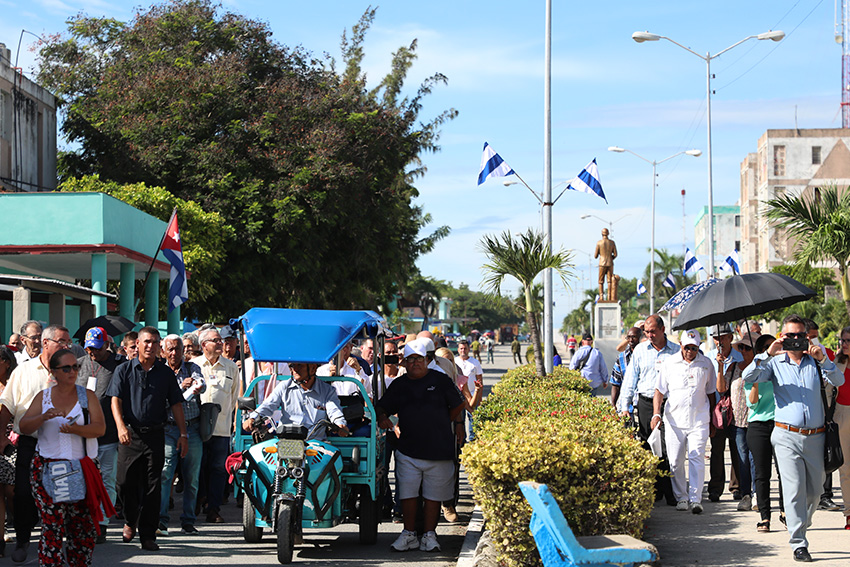
The National History Congress held its second day of work in Puerto Padre, a region where the delegates were welcomed on a decorated Libertad Avenue; also, a commemorative plaque was unveiled in the afternoon at the Fernando Grave de Peralta Museum, in the presence of the province's leading authorities.
Las Tunas, Cuba.– The central panel, which focused on the Necessary War and the figures of José Martí, Antonio Maceo, and Máximo Gómez, occupied a significant portion of the morning. In addition to the intense and prolific committee work, several historians participated in spaces that are usually far removed from historical debates, where closeness to young people and the issues that define their most pressing interests took priority.
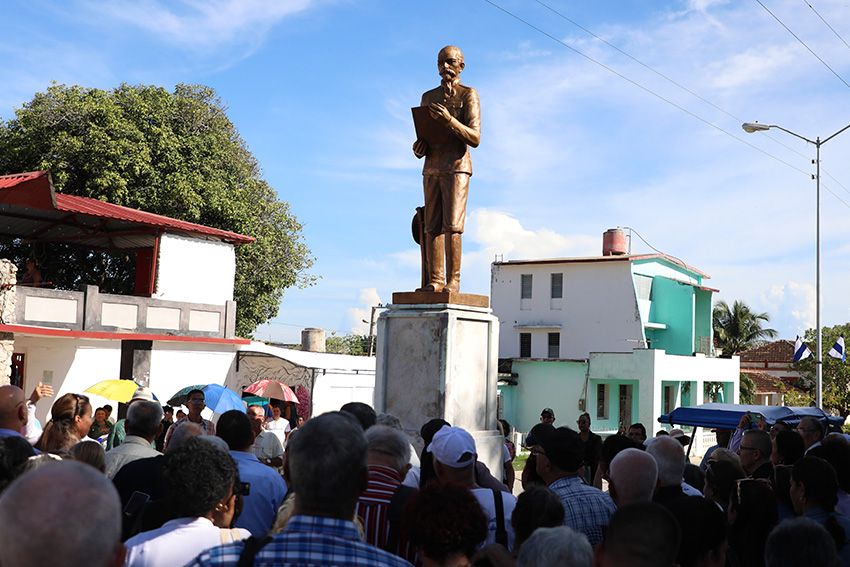
Thus, they arrived at the local Tobacco Factory and the Faculty of Medical Sciences, giving a people’s breath to a gathering where community is a priority, with that indissoluble bond between past and today's history, which this country writes every day, between horror and tenderness.
At the Antonio Guiteras sugar mill, a panel dedicated to the history of the sugar industry, something these gatherings are hosting for the first time, and reflecting the culture and deep roots of life in the bateyes and sugar mills in this part of Cuba.
There, nine presentations took on a life of their own. At various points, they discussed Fidel Castro, his contributions, and visits to these lands to bring to fruition the fruitful time of planting, walking between irons, and transforming the commitment of workers into a sincere embrace among men.