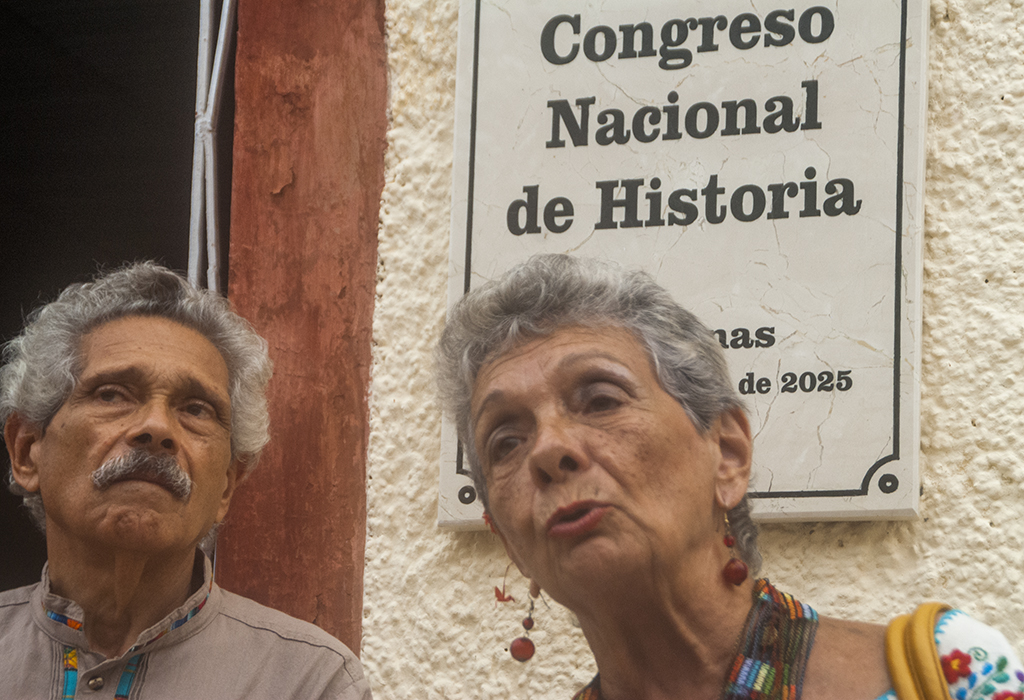
Intense days kept respected Cuban academics busy in Las Tunas during the sessions of the 26th National Congress of History.
Las Tunas, Cuba.– 26 spoke with them, or at least with some of them. We collected their thoughts on the rich history of this country, amid the whirlwind of events that happened in just three days.
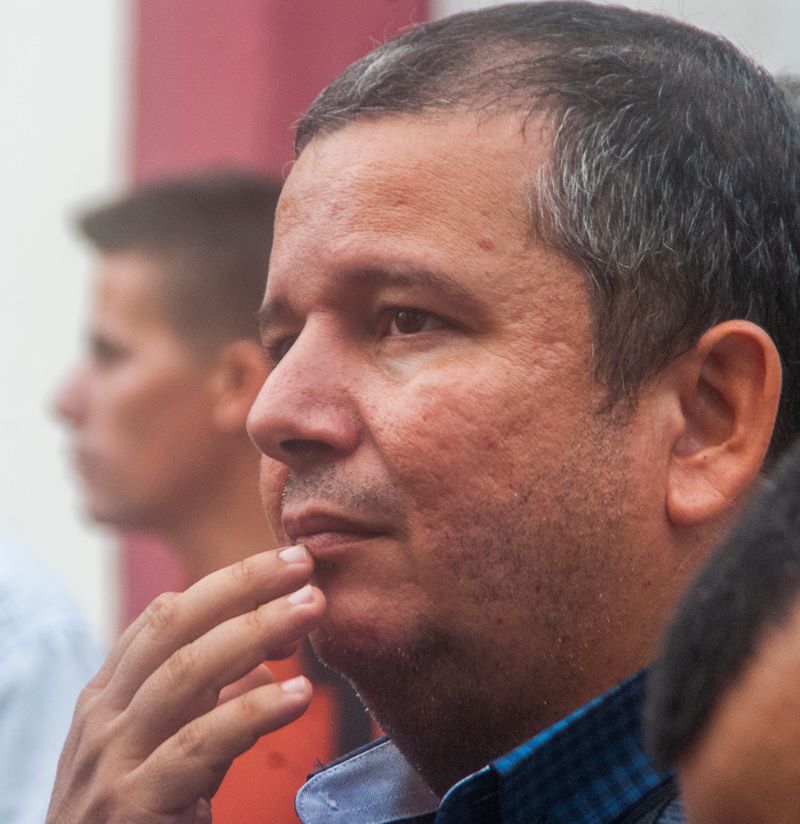 The youngest was Frank Josué Solar Cabrales, professor and head of the Department of History and University Heritage at the Universidad de Oriente in Santiago de Cuba. He spoke with the clear language that his time affords him.
“I once heard two people from Camagüey discussing an insult that had been leveled at one of them, and they explained, 'A son of Agramonte cannot remain silent.' And that made me think about the extent to which history plays a valuable role in guiding people's attitudes toward any situation.”
“It is a teacher and provides lessons for current challenges because, to understand the phenomena we are experiencing and be better able to confront or foster them, as the case may be, we must understand their origins and their evolution; something that goes beyond the transcendent, but equally as much as the everyday.”
For Félix Julio Alfonso López, PhD in Historical Sciences and professor at the Don Fernando Ortiz Center, at the University of Havana, “Cuba is a new nation, barely more than five centuries old, but we are full of events. There has never been a society in Latin America with a greater number of revolutions in a shorter period; five between 1868 and 1959.”
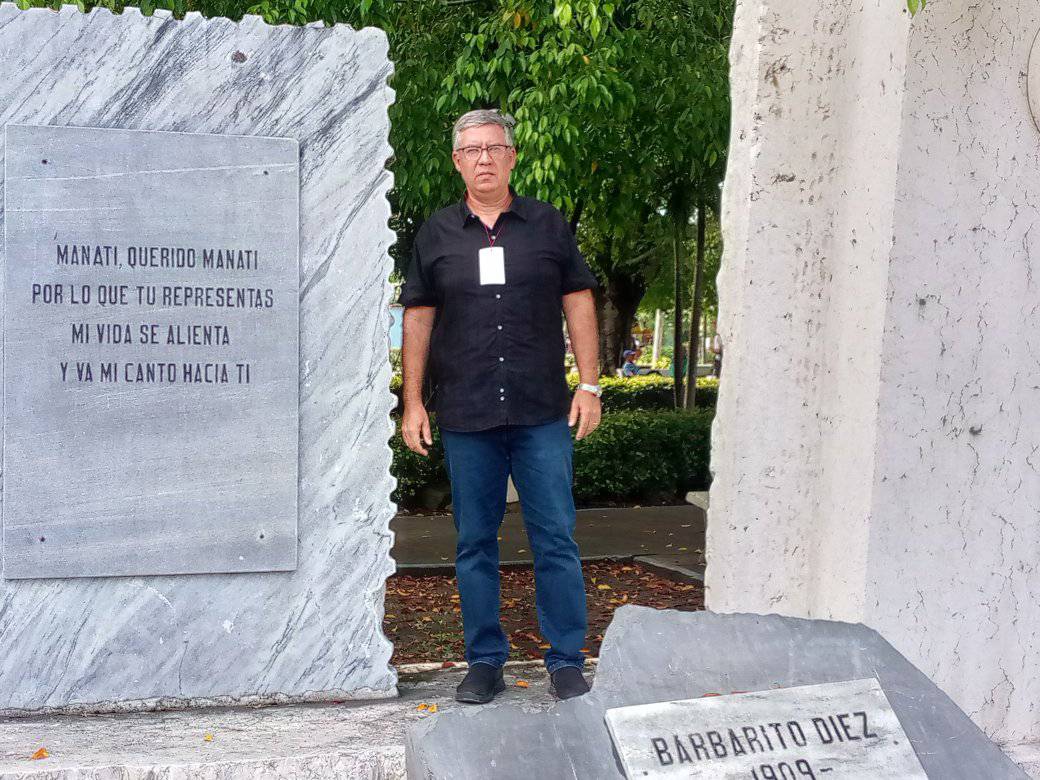
"This means that, here, the acceleration of historical time is much greater than in other societies that are not conducive to change. All these reasons justify why we, Cubans, continue to care about history, understanding, studying, and transmitting it to future generations."
For her part, Francisca López Civeira, National Prize in History (2008) and Social and Human Sciences (2022), expressed her gratitude for the upheavals experienced during the conclave.
“It's been exciting because people know what's happening in Las Tunas, and that tells us how the community has been involved in the entire process. We are delighted to see the reception, the sensitivity, and the affection in the communities.”
“For example, I arrived at the batey of Delicias, in Puerto Padre, and I found a mother in a hurry because her son, who is a youngster, was pressuring her to find the key in her purse and open the door to the house, to take the books so I could sign them for him.”
The words of PhD Pedro Pablo Rodríguez López, winner of the national prizes for Social and Human Sciences (2009) and History (2010), moved the audience as the event drew to a close.
“It's given me great satisfaction that the spirit I saw a few years ago in Las Tunas is still here. History is present, but not only in the minds of those who study and write about these topics, but also in those who live in these places. I think that's the greatest pride a historian can feel: knowing that their work lives on in people and contributes to the nation.”
"We cannot forget that every little piece of Cuba is Cuba itself, and especially in current times, the Homeland needs all our presence, support, and struggle. We cannot lose the glory that has been lived."