


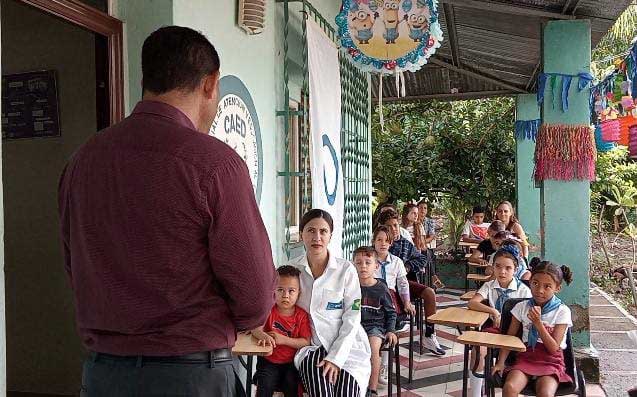
- Comprehensive healthcare for people with diabetes is provided in specialized spaces, created for their proper care, where both patients with this chronic disease and their families are educated.
Las Tunas, Cuba.– Facing a diabetes diagnosis took Dayanai by surprise. She had no warning symptoms and didn't go to the doctor seeking a diagnosis. It was a call from a lab technician friend, alarmed, who told her that her blood glucose test results had come back abnormal.
It was an overwhelming moment for the whole family. Doubts, fears, and a sea of questions arose about the future of the mother and wife, including the care they should take and her diet. They knew some things, but it wasn't enough.
In response to this complex reality, the Provincial Center for Diabetic Patient Care, located in the capital city, became a guiding light. They welcomed her with a smile, offering specialized care and health education. There, they guide patients and their families from the very first moment, known as the "onset" of the disease.
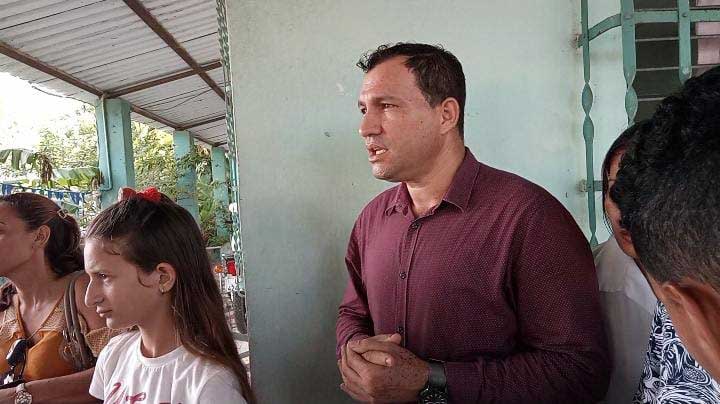
Dr. Yunier Pérez Marrero, a specialist at the center, describes the institution as having a team of professionals, including endocrinologists, podiatrists, and nutritionists. But what exactly does the process for patients entail?
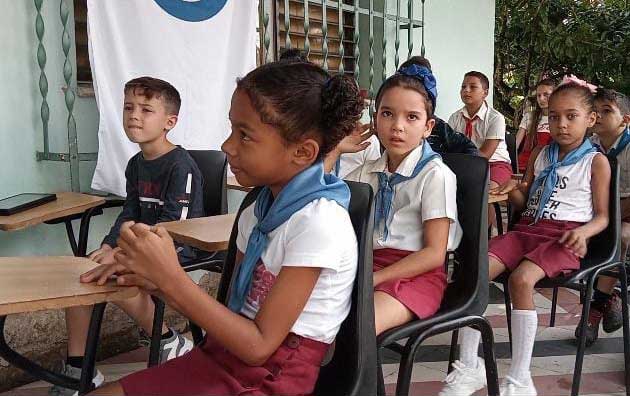
This group of specialists helps patients change their lifestyle habits through an intensive, comprehensive education program lasting a full week. "Each day is meticulously planned to instruct adults, children, and their families with the knowledge necessary to manage the disease.
"At onset, patients come in, receive a talk on Mondays about what diabetes is, on Tuesdays about healthy eating, on Wednesdays about medication, on Thursdays about exercise and foot care, and on Fridays we explain the other chronic diseases they may have."
“The result of this educational preparation is transformative, so that upon completion, patients leave educated about their condition. This knowledge base is fundamental for self-care and the prevention of complications,” the specialist affirms.
Dr. Pérez Marrero clarifies that many of the children they treat suffer from type 1 diabetes. “It is an autoimmune diabetes, meaning that the pancreas produces no insulin. This characteristic defines the urgency and type of treatment. Most children go to intensive care when they are diagnosed. Therefore, they need insulin treatment to achieve good metabolic control, thus avoiding both acute and chronic complications.”
The center's work does not end with the initial stabilization; a second, equally important phase then begins, which consists of the transition to daily life with the disease.
“Once patients are stabilized, training for hospital discharge begins. This phase focuses on discipline and adherence to treatment, ensuring that families feel confident and capable of managing diabetes at home, transforming a challenging diagnosis into a condition they can learn to live with, with normalcy and hope,” the doctor concludes.
This comprehensive approach, which combines the medical excellence of the Cuban healthcare system with in-depth, compassionate education, makes the Diabetes Center not only a place of treatment but also a true pillar of support for families embarking on this journey.