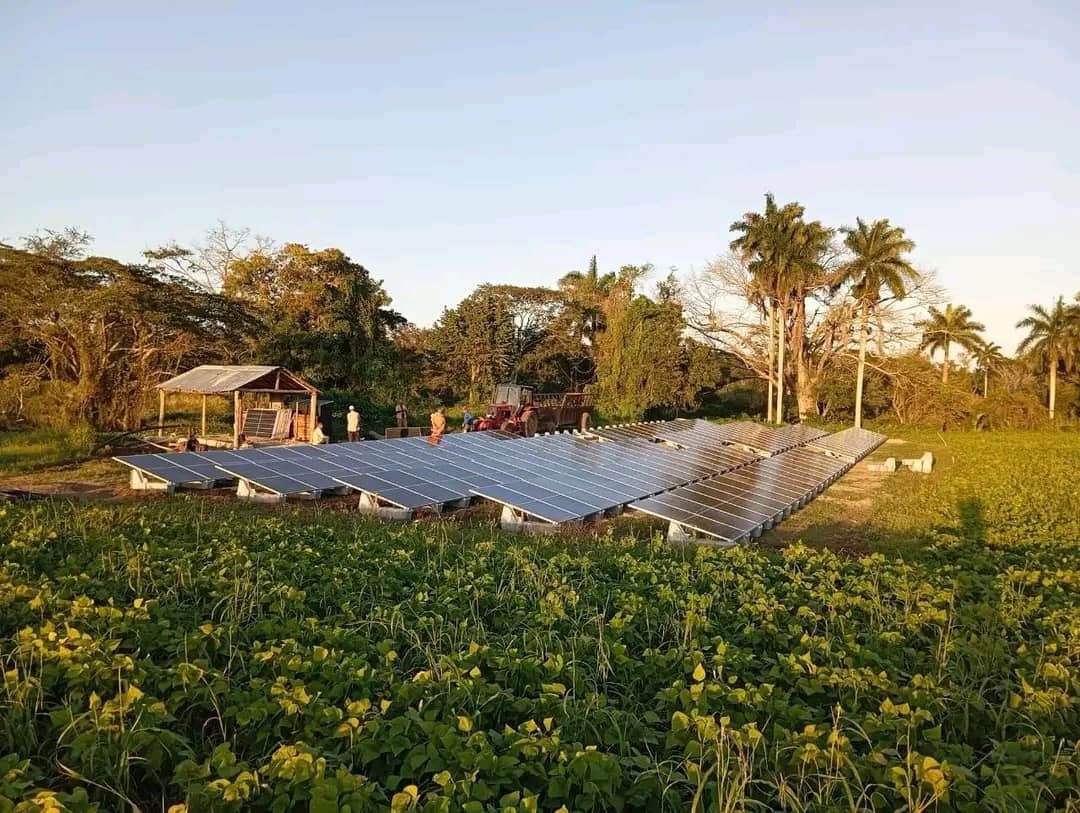
In a context marked by energy limitations and the urgent need to increase food production, the University of Las Tunas (ULT), through its Development and Innovation Unit, has become a strategic ally for the agricultural sector.
Las Tunas, Cuba.- A recent collaboration in the municipality of Colombia resulted in the installation of photovoltaic irrigation modules on two farms, demonstrating the potential of renewable energies to transform production realities.
Master of Science Daniel Rodríguez Peña, director of the UDI, explains the details of this initiative, which arose in response to a specific need. “There were some photovoltaic irrigation modules to be installed in some local development projects in the province, and due to the current situation in the country, that work was pending. At the university, based on our human resources, measuring equipment, and tools, we determined that we could indeed do it.”
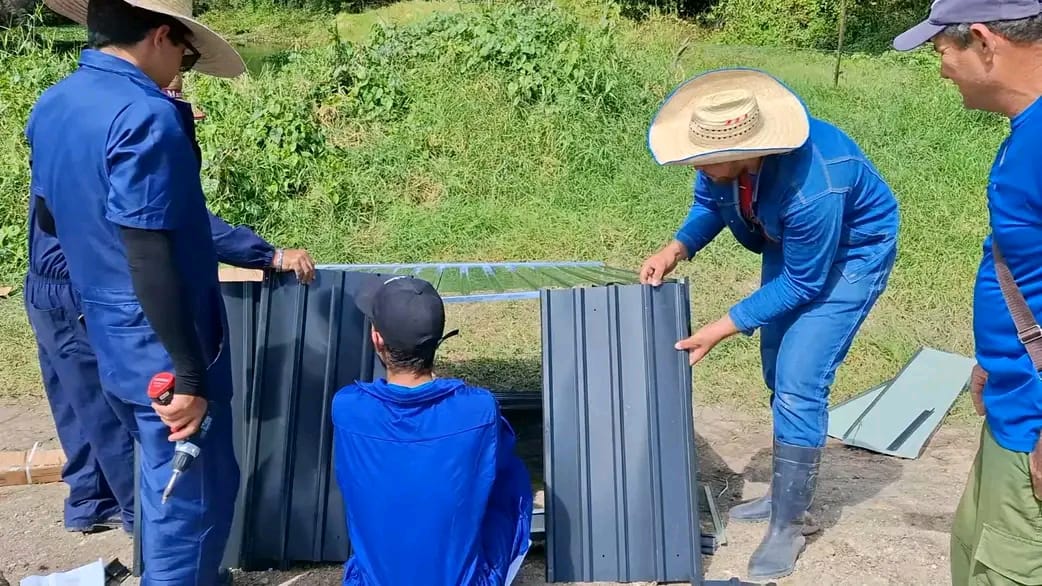 In coordination with producers and local authorities in the southern region, a qualified team from the UDI (University Development Unit) traveled to the rural areas to carry out the project. The beneficiaries were the Los Manantiales and La Jía farms.
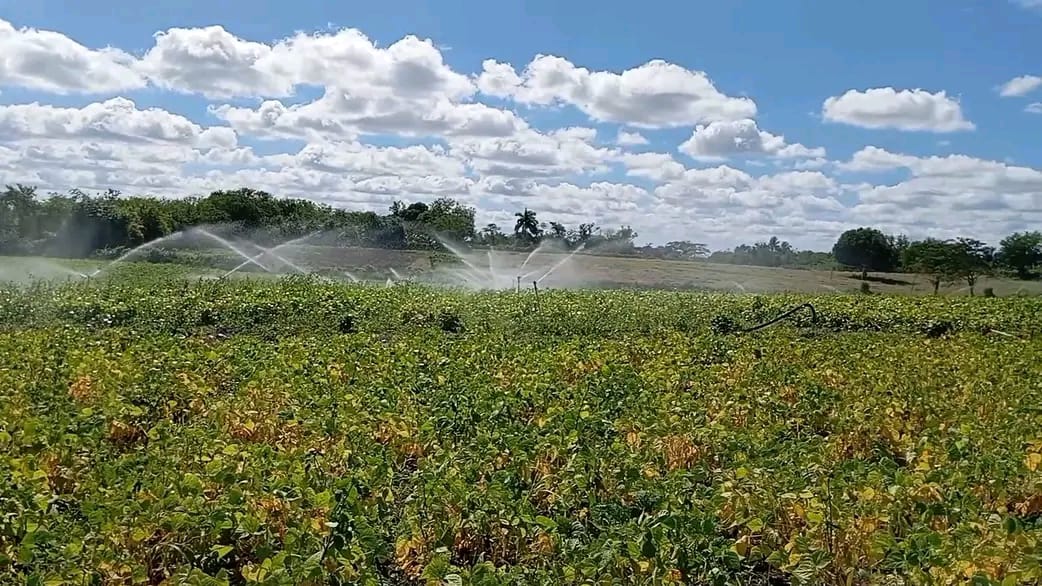
The implementation of these devices has an immediate and significant impact on the productive capacity of both farms. Some 15 hectares now have an autonomous and sustainable irrigation system, thanks to their water storage capacity.
The change is already visible, especially at Los Manantiales, the first farm to receive the technology. “One month after installation, the farm has changed; the level of planting, harvesting, and crop rotation depends on the producer's hard work. The guarantee of sustaining a considerable percentage of the food supply for the inhabitants of this municipality is significant,” says Rodríguez Peña.
The experience with solar panels not only benefits the producers but also enriches the knowledge and UDI future projections. The director adds that the unit is engaged in several lines of research related to sustainable development.
“We are currently working on solar dehydration, bioclimatic architecture, and studying the territory's mineral resources that can be used for both construction and agriculture."
“The province has some land reserves that are used for photovoltaic technology. We will begin with preliminary studies based on what our staff has learned from this installation, which would allow us to go further, perhaps even taking steps in the design of these modules,” he explains. The experience in the field has also allowed them to identify new needs and challenges. The farmers in the area, seeing the potential of the panels, showed interest in extending their benefits.
“Many farmers asked us if they could power their homes with the panels. The technology of these modules doesn't actually allow for that because they are specifically designed for the irrigation system. But if modifications were made to future equipment purchases, with some additional instruments, the population could be supplied with energy,” he anticipates.
Thus, the University’s Development and Innovation Unit (UDI) not only solves immediate problems but also lays the groundwork for more comprehensive progress.