Changing Cuba’s energy mix is not merely an option among others. With the passage of time and the strengthening of the economic, commercial, and financial blockade imposed by the United States government, it has become an urgent necessity.
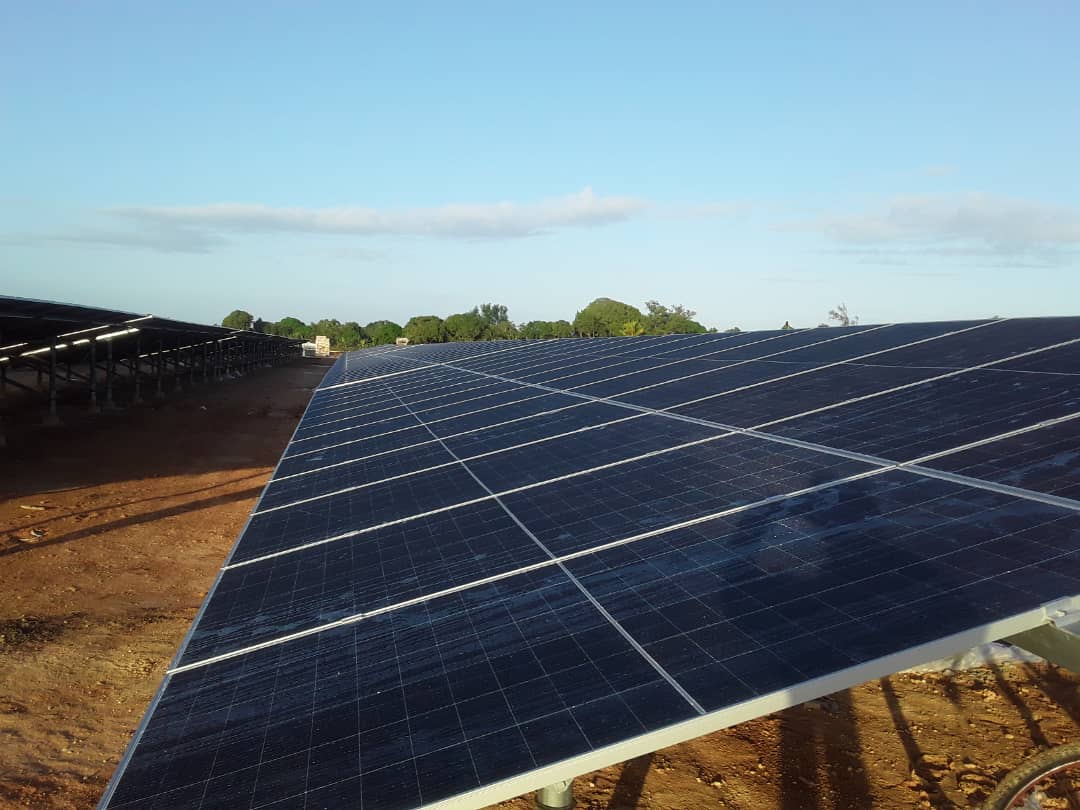
Las Tunas, Cuba.- This eastern province is proving this through action. Eight completed photovoltaic solar parks (PSF in Spanish) are already supplying energy to the National Electric System; with the upcoming synchronization of the Veguita PSF, that figure will continue to rise.
Each of these sites, from Nueva Línea and the 220 kV substation in the provincial capital to the smaller ones in Manatí, Puerto Padre, Blanca Rosa, and Punta Brava, contributes to the interconnected grid. Collectively, they provide a daytime energy capacity the province previously lacked.
Why is this change so important?
Because the U.S. government blockade against Cuba hinders access to fuel, spare parts, technology, and financing, and directly hampers electricity generation. Everyone knows the results very well: prolonged blackouts, disruptions to water pumping, and interruptions in healthcare services.
Solar farms do not solve the country's energy crisis on their own, but they do offer tangible relief under current conditions. Thanks to them, the province can guarantee an average of two and a half hours of electricity per municipality during the day.
It allows water pumping operations to continue in Jobabo, Puerto Padre, Vázquez, Manatí, and the provincial capital and safeguards healthcare services. It even enables a response to a disconnection from the National Electric System (SEN) through "micro-islands" that combine generator sets with limited solar power.
Every solar farm that comes online represents a step toward energy sovereignty. It is not a complete solution, but it is real, tangible, and is already benefiting us and charting the path the country needs to follow.