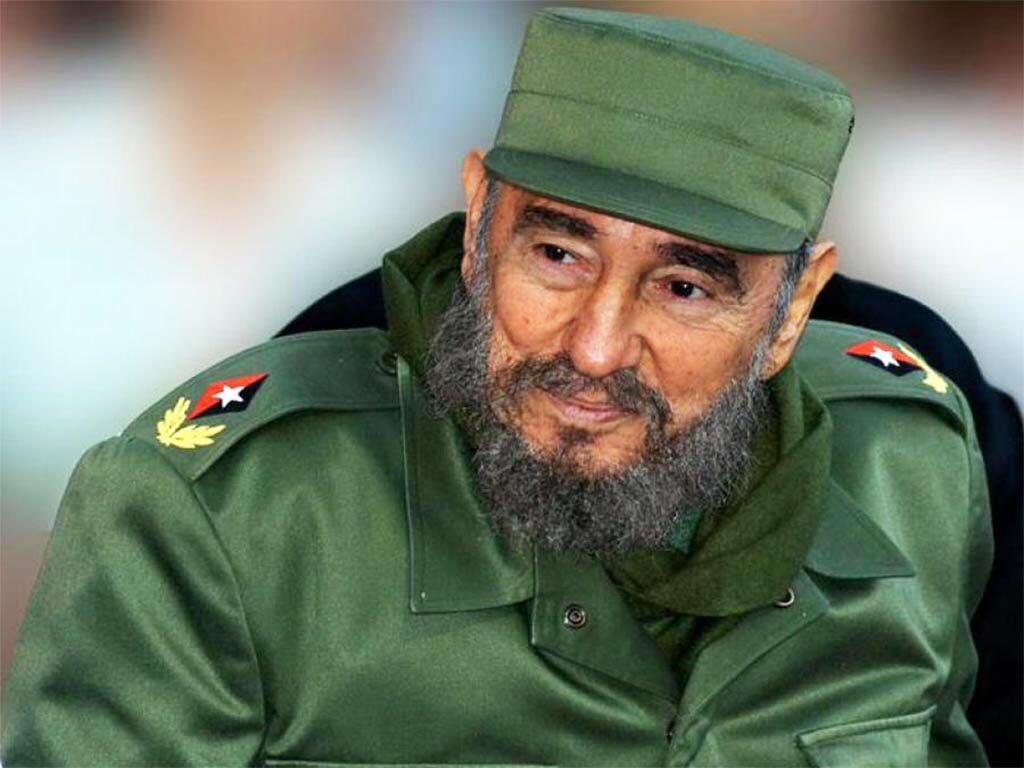
A few days before his 99th birthday, the legacy of Fidel Castro, the historic leader of the Cuban Revolution, remains alive in every country where the struggle for a more just world is fought for.
Havana, Cuba.- Since the triumph of the Revolution on January 1, 1959, Fidel Castro redefined Cuba’s role in the international arena.
In the context of the Cold War, when many small countries were absorbed into the spheres of influence of the great powers, the Caribbean nation chose its path: independence, sovereignty, and active solidarity with the peoples in struggle.
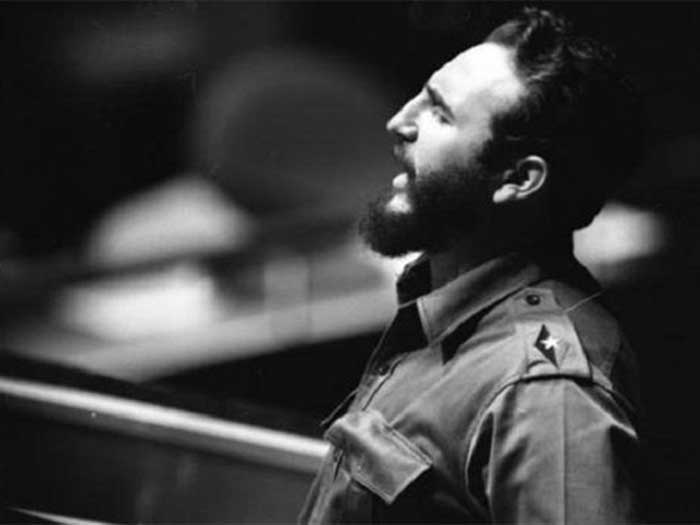 Fidel’s speech at the UN General Assembly (UNGA) in 1960, where he denounced neocolonial practices and the economic domination of Western powers, marked a new stage in the participation of developing countries in the multilateral system.
Fidel Castro forcefully exposed the contradictions of the international order and demanded justice for oppressed peoples.
But beyond words, the historic leader turned principles into action, as evidenced by his resolute support for national liberation struggles in Africa. From Angola to Mozambique, passing through Guinea-Bissau, Ethiopia, and South Africa, he sent doctors, educators, engineers, and combatants on internationalist missions.
Today, as the world faces new forms of domination, ecological crises, and conflicts fueled by geopolitical interests, Fidel Castro’s thinking remains alive in every Cuban doctor who cares for people in remote areas and in every nation that defends its right to decide its destiny. (PL)