This story began, at least in its most intense phase, in a third-year classroom specializing in Clinical Analysis at the University of Medical Sciences in Las Tunas. Professor Alejandro Mestre arrived there to teach the Toxicology course, his task before them as he opened the first semester of the academic year.
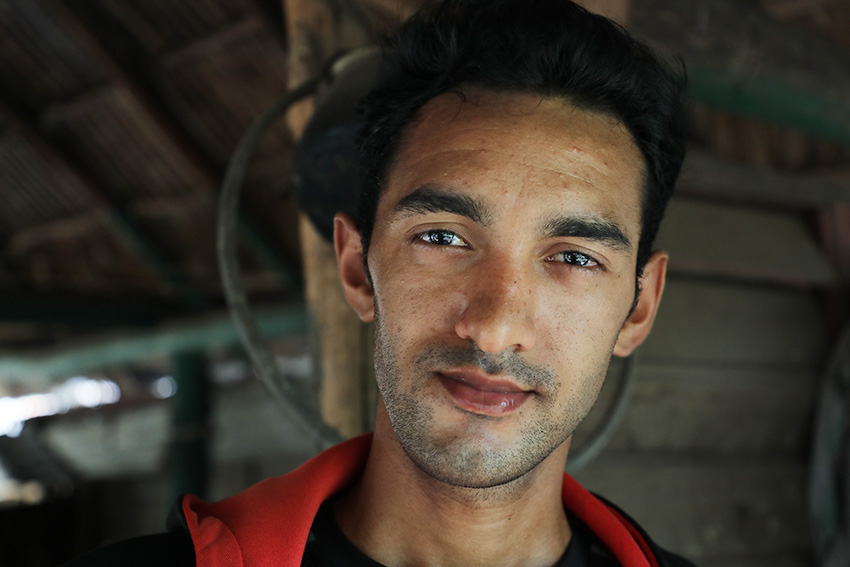 One student, Isaías de Jesús Magaña Licea, was fascinated as the teacher elaborated on the subject of plastic and its harm to human life. He heard him say, among other things: "It was thought that microplastics entered the digestive system and were then excreted, but research carried out in China in 2023 found traces in lung tissue, for example.
"A few months later, a study of atheromatous plaques in the cardiovascular system was conducted, and it turned out that 45 percent contained plastic; of that percentage, 35 percent of all the plaque was microplastic. This confirms that it enters the bloodstream and, from there, is distributed throughout the body.
"It has been found in the brain and digestive system, and this has opened up the debate on the correlation between the presence of these plastics in target organs and the increase in neurodegenerative, oncoproliferative, and immunosuppressive diseases.
 “And not only that. Until very recently, it was thought that micro and nanoparticles of plastic did not enter the plant system; however, recent studies show that they affect the capacity for photosynthesis; they can also enter through the roots and leaves.”
In the middle of the lecture, listening to the teacher's voice, Isaías de Jesús learned of research claiming that the average person ingests the equivalent of a plastic credit card per week.
At the end of the class, he approached the professor, told him of his interest in the subject, and expressed his desire to contribute to eradicating or at least mitigating the harm caused by plastic in this region.
This is quite a challenge because it is well known that in Cuba, as in most Latin American countries, less progress has been made toward this dream. “In Europe, regulations have had a greater impact, but not here,” say the experts.
The absorbed student had studied up to the fourth year of his Bachelor's degree in Pharmacy at the emblematic University of Oriente in Santiago de Cuba, and, like almost everyone who chooses that world of formulas and compounds, he is passionate about research. So, when Mestre invited him to join the challenge of in-depth research to create a polymer (a plant-based plastic), he said yes without hesitation.
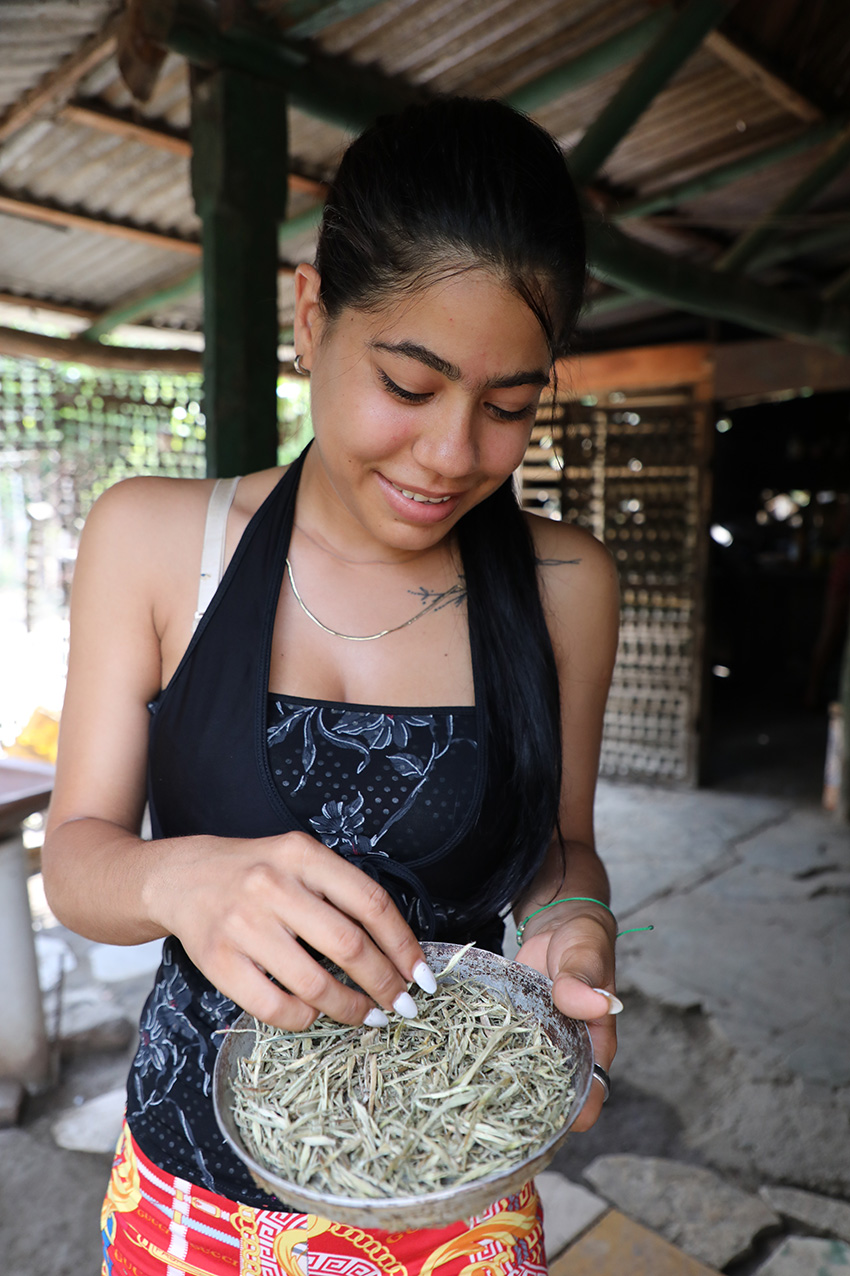 He has devoted himself to the project with delirious enthusiasm, and he is not alone: it has become a family affair. His young partner in life and the classroom, Darlenis Martínez, works alongside him, and even his mother, Giselda, who is closely involved in her only son's efforts on this topic, is always hovering around, helping to grind the material and adjust the shape.
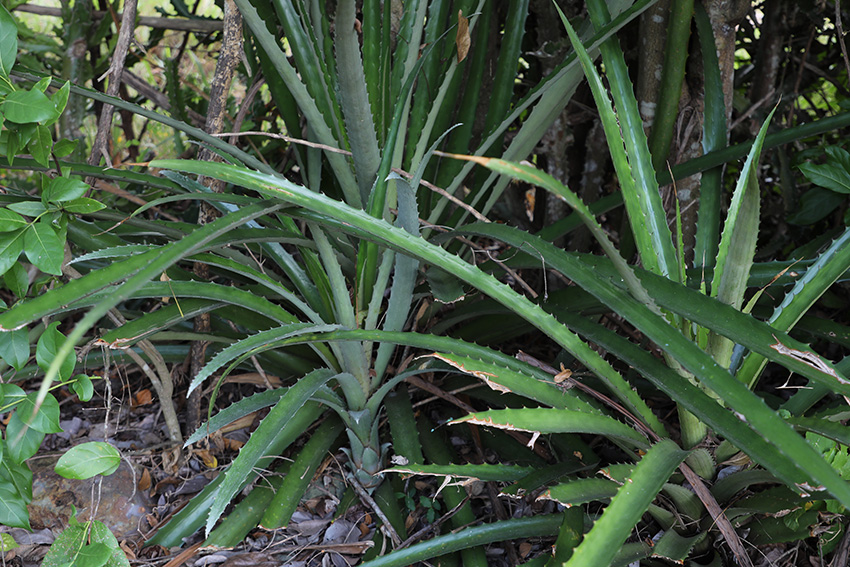
Using the polymer, Isaías has achieved encouraging results with the wild pineapple, an invasive weed, the kind that nobody wants, and whose planting for research purposes will not be stolen by the thieves who abound in the busy surroundings of the Cuban countryside.
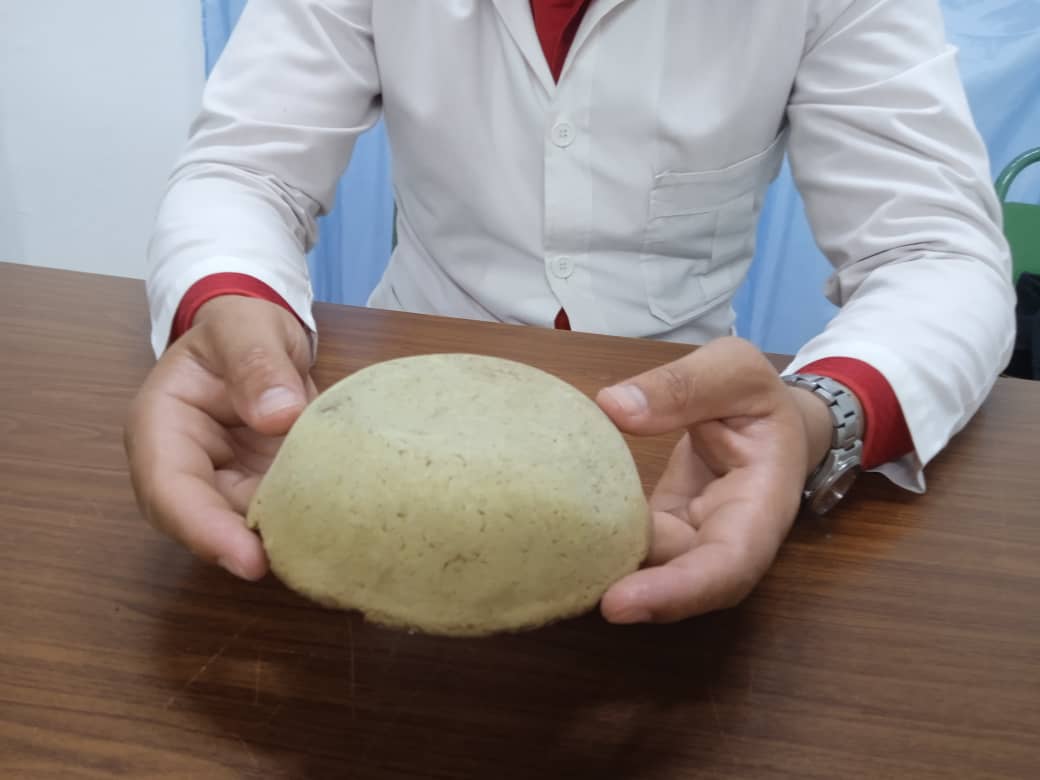
And, although he does not reveal names and specific characteristics due to the ugly issue of “theft of information that is made public,” he does assure us that he has an effective formula for neutralizing single-use plastic. He has thoroughly studied the characteristics of the plant, mastered its phytochemical analysis, and assured us that it does not affect humans in any way; quite the contrary.
We learned that the process is complex. The plant must be cut, chopped, ground, dried, and a thousand other seemingly simple steps that become more complex when you want valuable results. You have to excel in the finishing touches and work tirelessly.
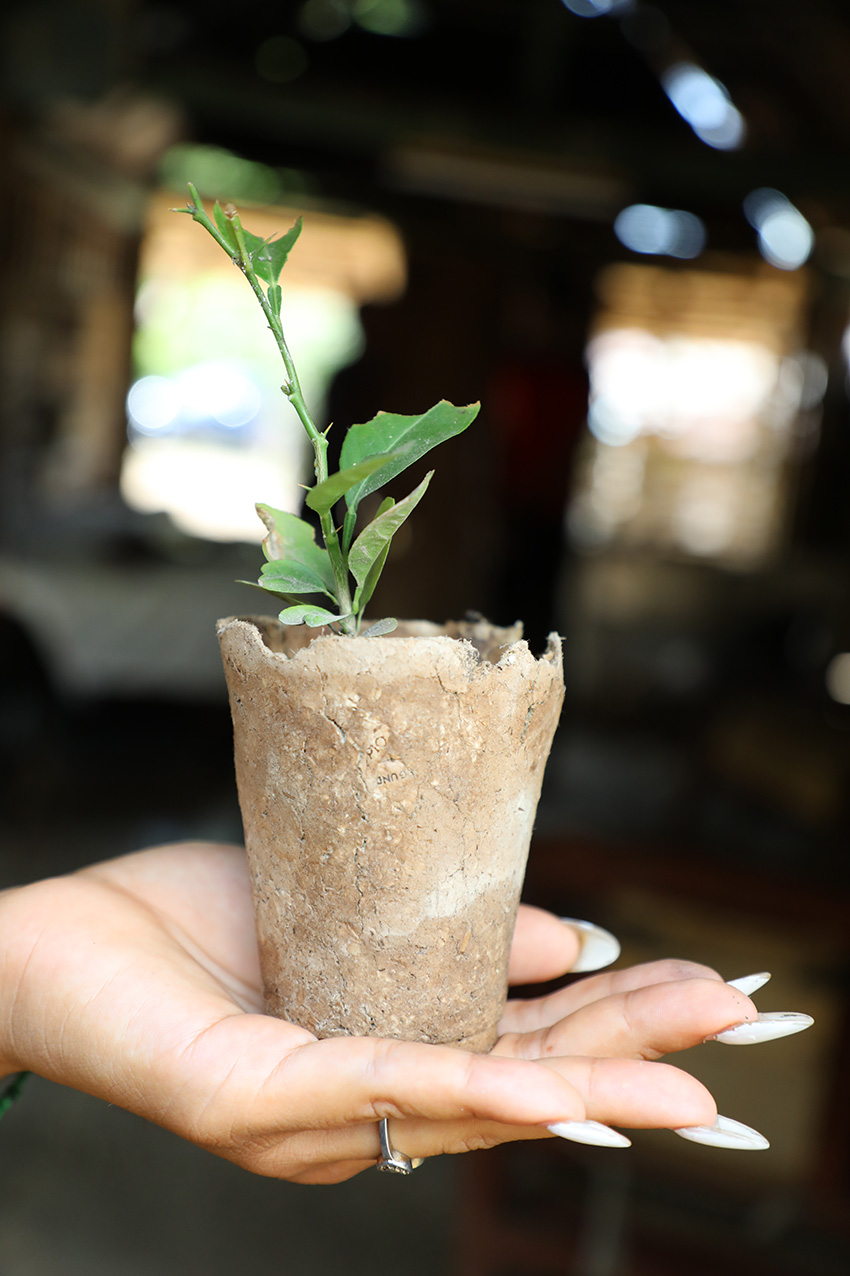
But it is bearing fruit, and, lest you doubt it, the young man's hands show plastic bags, disposable cups, and even containers that could replace the nylon in which the plant seedlings are grown. They would be completely biodegradable, unlike those currently in use, and the idea is that they would even fertilize the seedlings themselves.
***
This is a noteworthy initiative, which has no similar references in the country and is taking shape with the passion of someone from Las Tunas, the company of his loved ones, and the encouragement of a hard-working and passionate doctor. It is an example of what can be done when science is put to work for the environment.