The wheels of the van kicked up a lot of dust as it made its way to the La Cana basin. Between that, the potholes on the 3.5 kilometers of the battered embankment, the marabou bushes that almost seem to embrace each other on either side of the road, and the company of birds, the journey passed.
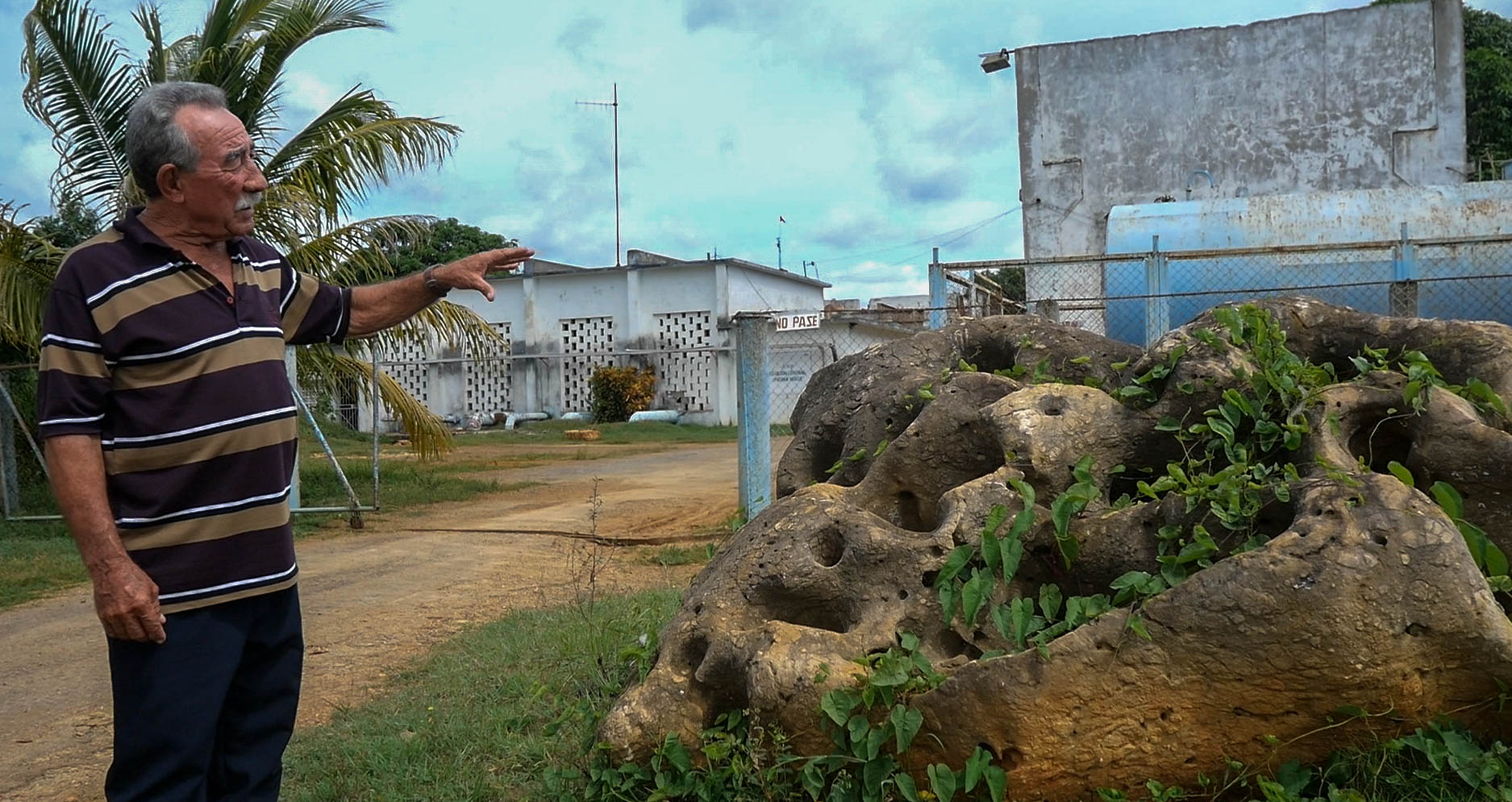
Las Tunas, Cuba.- We arrived at the Piedra Hueca station, where its administrator, Omar Verdecia, had been waiting for our press team for some time. Of course, he understood the reasons for the delay. Who would lie to him about such things?
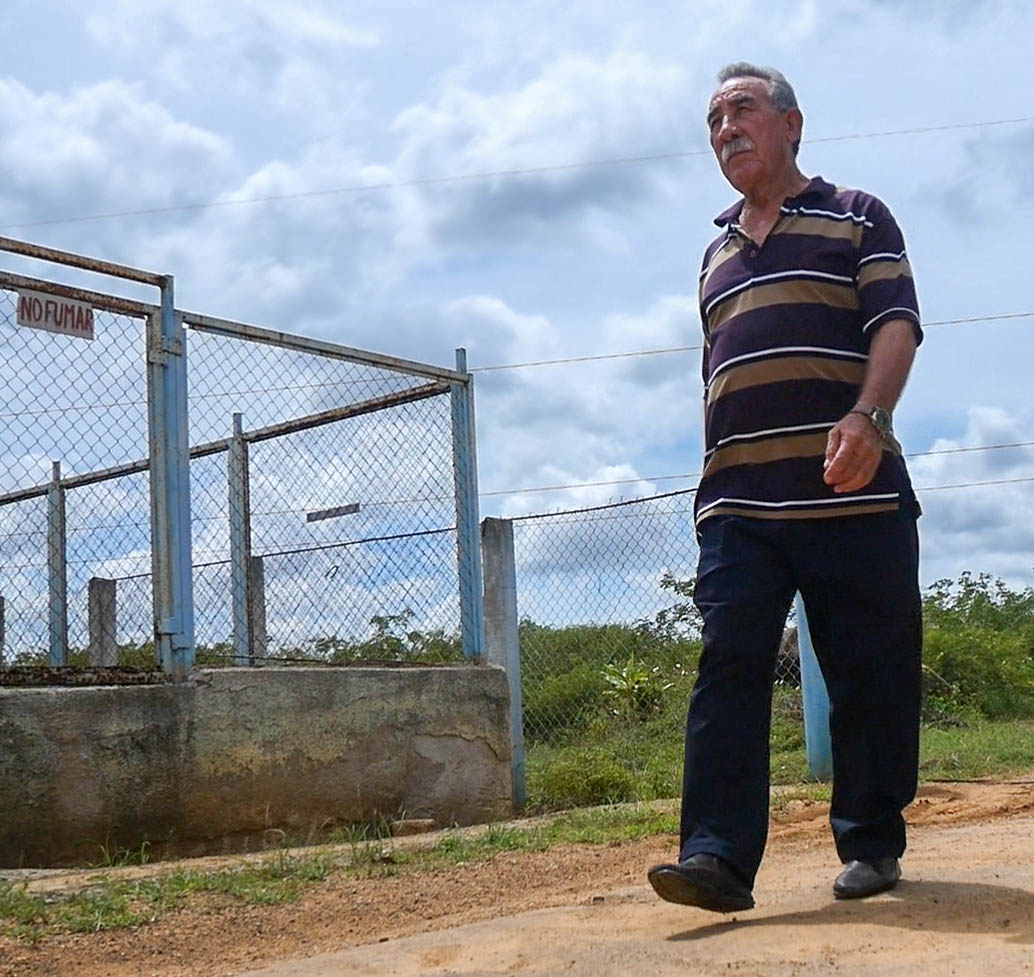
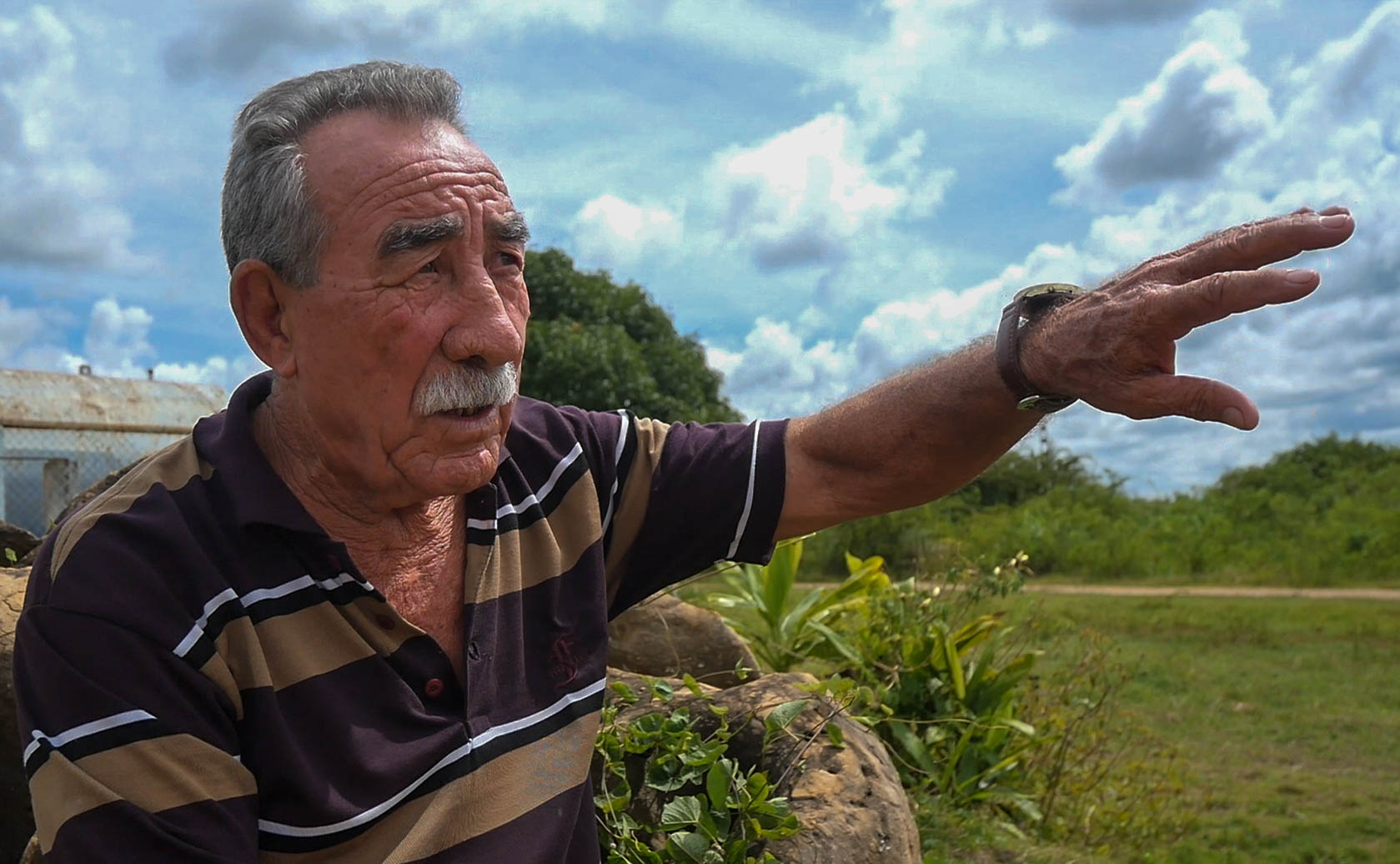 “Imagine, he said jokingly, I live in Palmarito. I come every day by truck to the entrance of Piedra Hueca, which costs 100 pesos because it's private transportation, and they charge that much. My friend Papo waits for me there, we get in his cart, and he brings me here. I think I know every bump in the road with my eyes closed.”
It is also in that cart, with the mare Chula pulling it, that Omar travels to the wells that make up the La Cana basin, 4 and 5 kilometers apart. A diverse network, consisting of seven pumping stations, each with two wells, sets the pace for his almost daily work.
And this is not a recent development. This man has been working in this place for 41 years, and in 1997, he began the job he now performs. Omar monitors water consumption, the current, and the pumping stations, especially the six that feed the cistern and supply the city of Las Tunas.
He is short of staff to cover the 34 positions available, but that is not his main problem; for him, nothing compares to the severe drought of recent years. "It hasn't rained for about two years, what you would call rain, one of those downpours that makes the earth tremble. And the basin feels it.
“Right now, it's unfavorable, so it's only being partially exploited; if we don't regulate it, we'll destroy it. The pumping system that used to pump 250 liters per second is now at about 100, which is all we're allowed to do.”
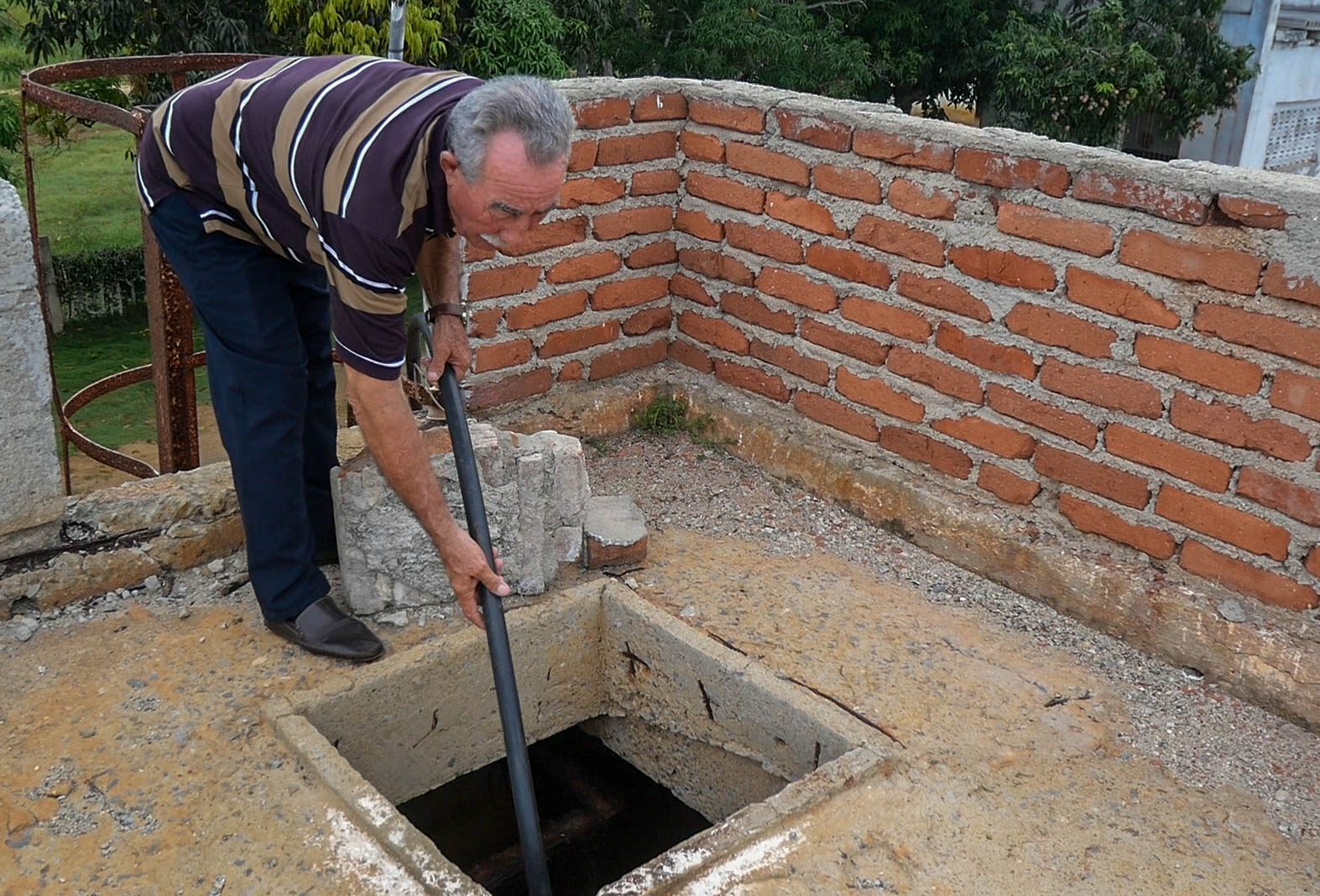
He then explains the precise path of the water. He says that the wells feed into the station, from where the water is pumped under pressure to Palmarito and, from there, by gravity, it reaches this city; this is because there is a 6-meter difference between the Palmarito hill and the level of the Las Tunas tank.
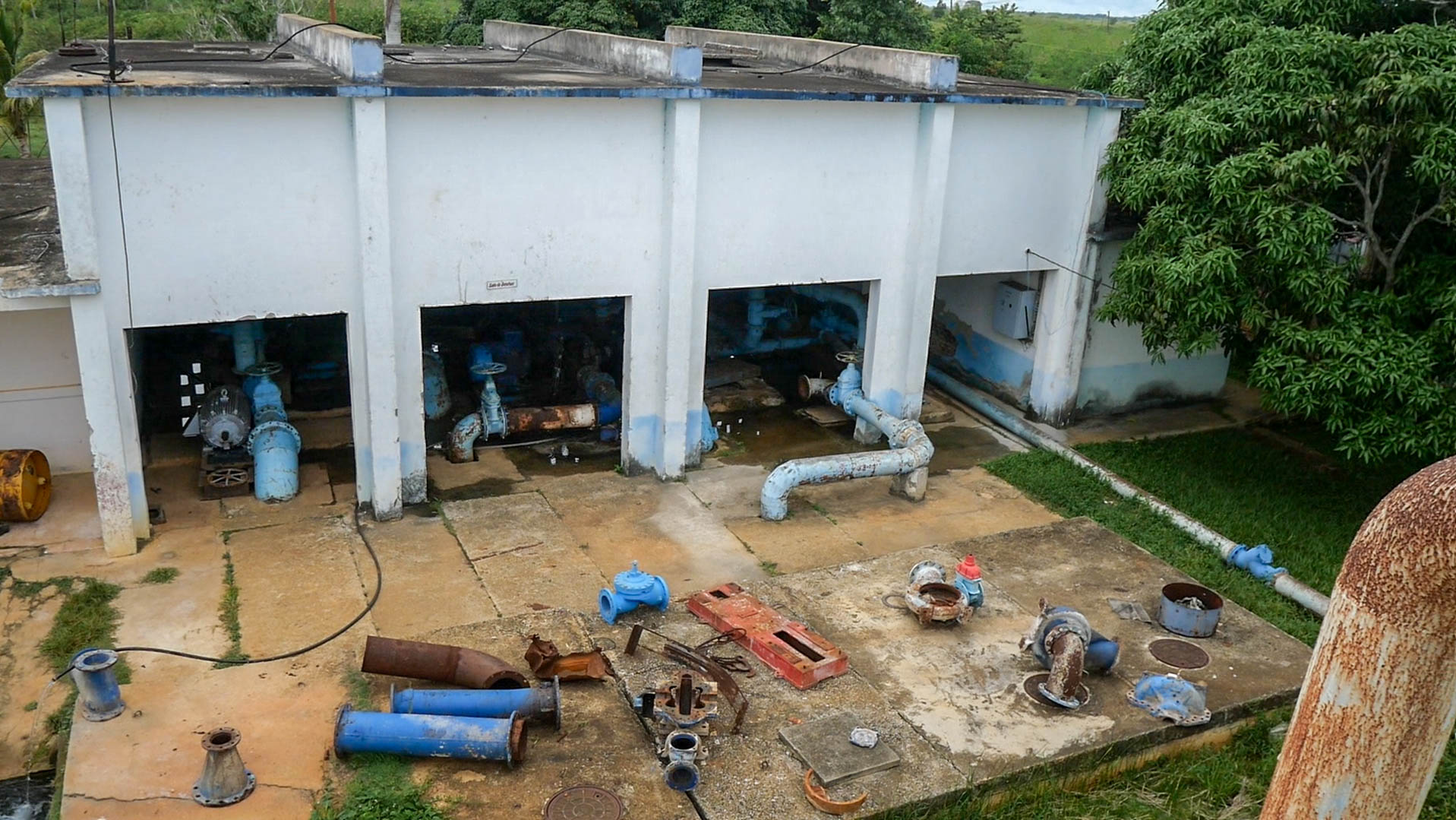
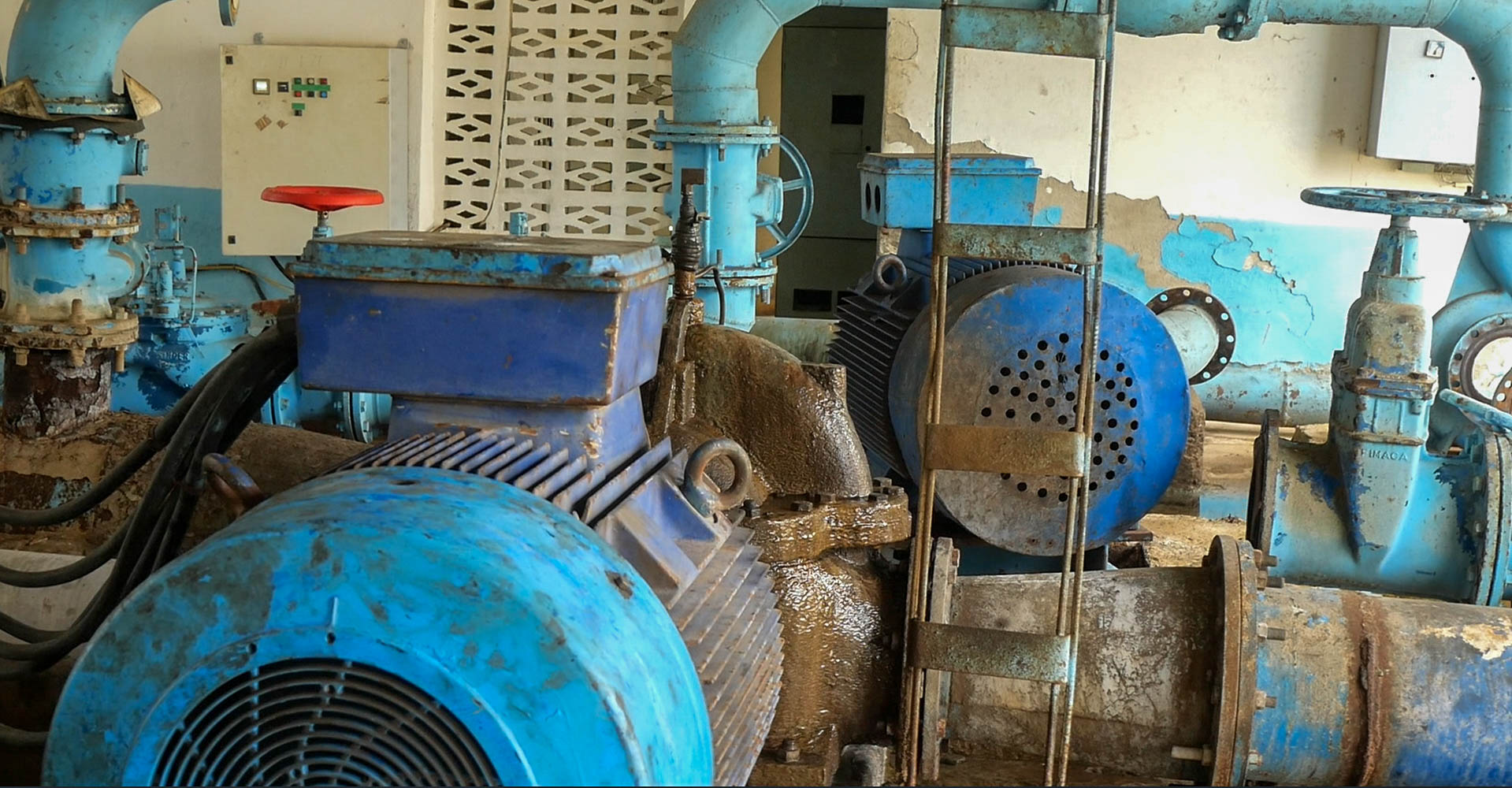
Omar speaks of the Energy Revolution as a moment of great splendor. "In 2009, 18 motors were installed in Piedra Hueca; there was plenty of water, and it was easy to work like that. Now everything is much more complex.
“The situation is critical. We have very few motors; most of the pumps are broken; maintaining the service takes courage, I can assure you. And when the power goes out, everything is harder. We have had wells that have not been pumped for eight to ten hours due to a lack of fluid, and although we do not give up, sometimes people do not understand.”
He describes the completion of the new pipeline as a success, amid so many shortages. "Here, 40 percent of the water that was pumped was lost. Imagine that.
“I remember complaints coming in from everywhere about the leaks. There was one next to the highway that went unsolved for about three months. It was terrible.”
The situation has improved a lot; that's easy to see. However, it hurts a lot to see that the marabou that accompanied us throughout the journey still reigns supreme over the 18 hectares of land that make up the La Cana basin.
Fertile but unproductive soil, a dilemma that, far from being resolved, has taken over the entire area and is becoming much more questionable in the current food context. Tremendous.
Omar is the father of three children and has recently remarried, saying so with the smile of someone who, at over 70 years of age, refuses to let his guard down. We listen to his stories and the nostalgia that accompanies them, and we sense the joy with which he always approaches his work, which is truly touching.
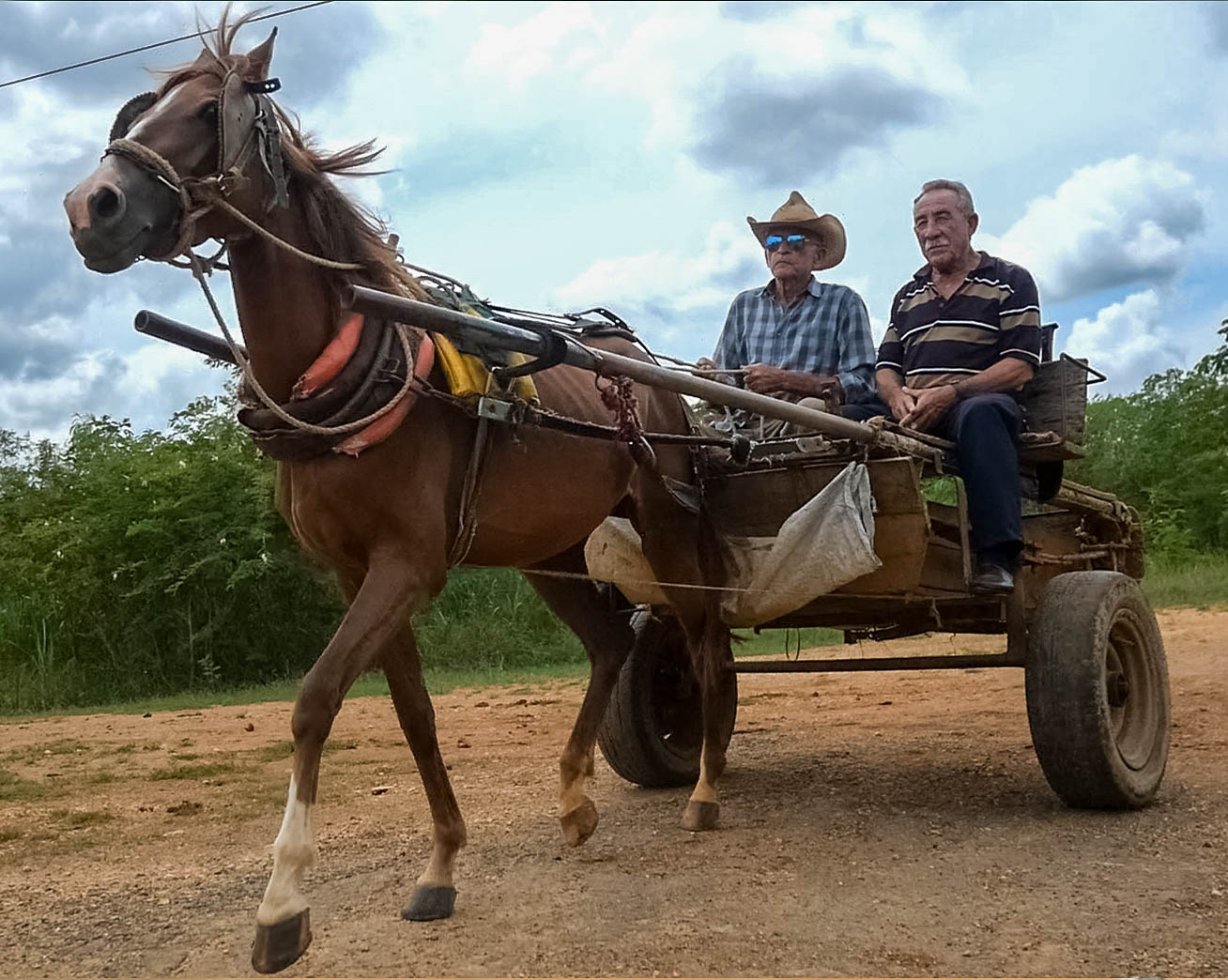
Because if the road is like this on any given day, can you imagine what it's like when a light shower falls, even one that barely wets the ground? Just thinking about the simplest thing that can happen in those forgotten, withered places where Las Tunas's water springs.
He takes out an old copy of a newspaper and shows it to us. From the pages of the then-newspaper and its recollections, we learn that it was in January 1973 that Revolution commanders Juan Almeida Bosque and Faure Chomón Mediavilla inaugurated the site as a water supply for the population of the then-small town of Las Tunas. Although yes, "before that date, water was already being drawn from there; it's just that in the 1960s, the agricultural sector controlled all of that."
He says this, and the pleasure is evident in his eyes. He has thousands of anecdotes and hundreds of dreams about the work in those places. That's how we felt when we listened to his stories on the way back. We hit the road all the way to Palmarito, already exhausted by the dust, the potholes, and worried that the marabou wouldn't damage our press team's only means of transportation.
We said goodbye with a farewell that felt like a blessing. People like Omar abound in Cuba; men and women with deep roots and a passion for life who you can always count on.