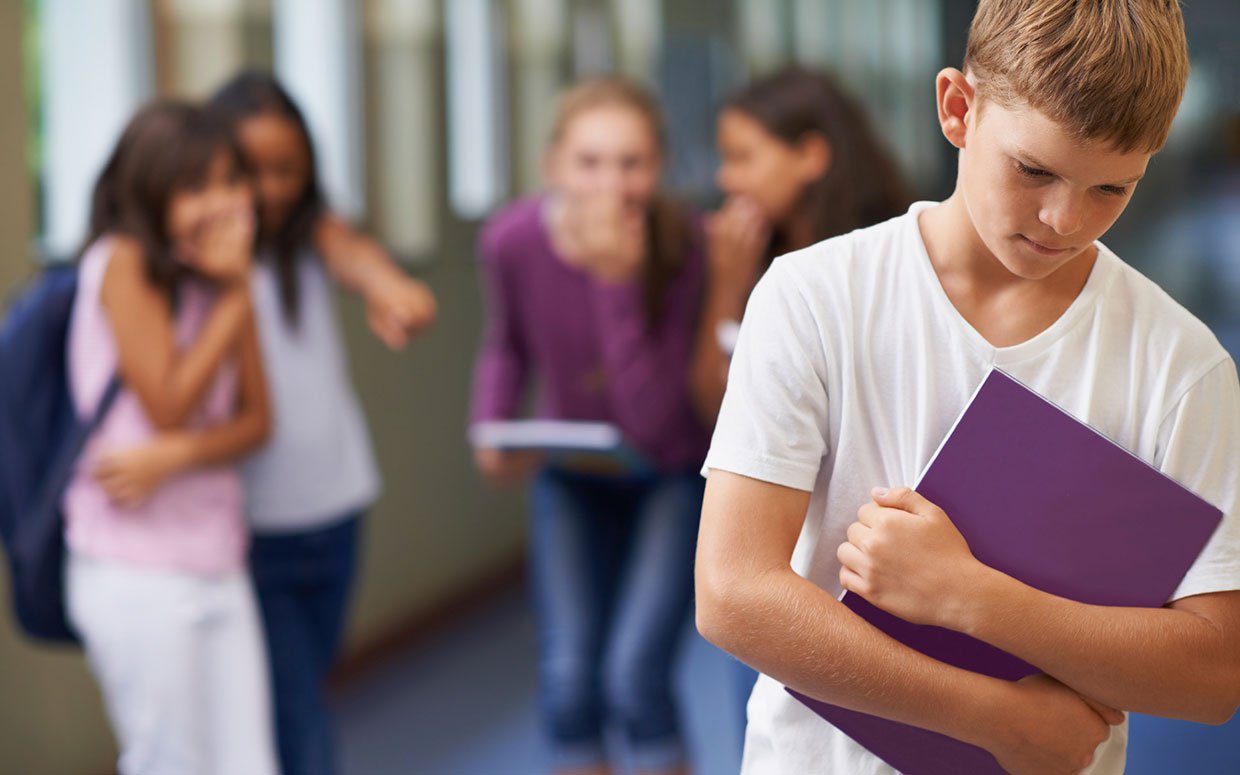
September is nearly over, but at the very beginning of the month, social media in Las Tunas focused on secondary education, particularly at the Wenceslao Rivero School. A video made in one of its classrooms has gone almost viral. The content is now common knowledge: violence among students, bullying, lack of empathy, but, above all, it questions our competence as parents.
Comments on the incident have been varied, ranging from incisive to malicious and challenging. Although I dare say that most of them stem from a real concern about interactions between teenagers, especially in a place that my generation was taught to regard as sacred.
I confess that the issue has gotten under my skin because my child is also starting middle school this year, and violence, in any form or context, cannot be normalized in our society. The provincial education authorities announced that the corresponding investigations will be carried out; however, within homes, there are still many issues to be addressed.
This is not the first time that bullying has created complex situations or even led desperate human beings to harm themselves. But its initial manifestations do not begin at school, but in the neighborhood. Every mother or father knows what their child is like, whether they laugh at others, abuse the most noble, or hit others... And in schools, they will behave exactly the same way. So there are no surprises in this equation, and it is clear who is ultimately responsible.
Indeed, life moves quickly, power outages affect most families, and the frustration of not being able to meet all basic needs has marked the Cuban experience. But, be careful, the education of our children cannot be postponed or taken on without responsibility or limits, because not only will they be in trouble, they will also be the cause of conflict for others.
You who read me may be harsher and argue that in many homes, on every block, we find them. Some parents do not supervise their children, let alone teenagers, because they “know how to take care of themselves,” because “boys need to be given freedom,” or because they are much more interested in the content on their own cell phones than in the personality that is being formed under their roof.
In these cases, prevention has to start earlier, and it involves all of us. As a society, it is up to us to take care of the environments where young people grow up. We should not wait until they reach a certain level of education to take action. Bullying is just as questionable as laughing at a child who cries because of harassment or recording another person's suffering with morbid curiosity.
We must engage in meaningful conversations with our children and instill values that should not be eclipsed by the challenges of this era. Children indeed argue, fight; there is always a “class clown” in the classroom, hormones run wild due to their age, but violence, I insist, cannot be considered normal.
It is unwise to blame the school for the bad behavior that students bring to it, even though it has a duty to ensure the best development of its pupils and to promote safe environments. This lack of virtues, empathy, and sensitivity was conceived in the family and is often the result of a lack of attention.
Respect for differences is vital in early learning. I believe it represents the foundation on which other values should flourish. We still have time, I hope, for our children to be the best version of themselves. Let's devote the necessary hours to them, so that a video on social media is not a reminder that parenting is a job with no expiration date.