We asked our audience about the thorny issue of social indiscipline. The results are interesting, to say the least. Looking at their reactions and comments, it is clear that loud music was among the most criticized behaviors, the kind we are forced to listen to every day from motorcycles or bicycle taxis. It doesn't matter if it's the latest hit or a 20th-century ballad; it also comes from neighbors or recreation centers, whether we like it or not.
This type of behavior was not only the most voted option in one of the surveys, marked by more than 70 percent of participants, but it was also the most dominant topic in the comments.
Citizens described the situation as “unbearable,” “deafening,” and “irritating,” and highlighted its negative impact on rest, tranquility, and health, aggravated by the frequent power outages in recent months. Those moments when the population could rest, they complained, are interrupted by the music's decibel level. Yes, because everyone is free to listen to the music they like, but doing so in a way that interferes with the rights of others is unacceptable.
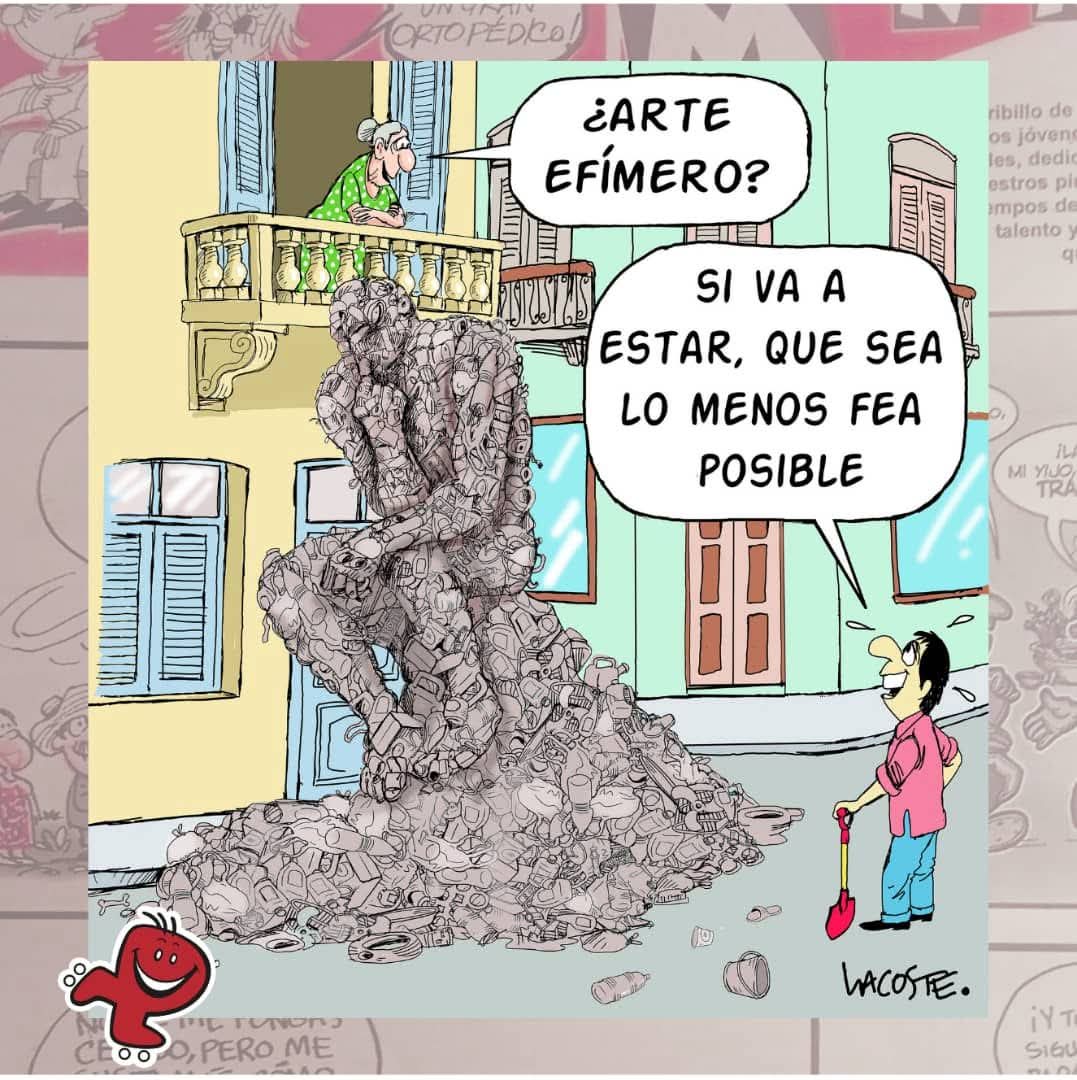
Another major concern, the most frequently cited in the main survey, with an overwhelming 81 percent, was solid waste management. This manifests itself, respondents described, in more or less “spontaneous” micro-dumps, debris thrown onto public roads, sometimes with the questionable argument of “filling potholes,” or the burning of garbage. The comments reflected sadness and collective embarrassment at the state of filth in the towns of Las Tunas, which they previously considered “clean and beautiful.”
Vandalism against property in schools, hospitals, and public transportation ranked 60 percent on this list of concerns, events that indicate an alarming lack of a sense of belonging and respect for what belongs to everyone, but which, apparently, do not hurt those who contribute to the deterioration or inaction equally.
On the other hand, aggressive behavior in queues, drinking alcohol in public, and, very significantly, people urinating or defecating in public spaces were also highlighted by internet users, although to a lesser extent. They warned that this is a horrifying loss of modesty and basic respect for others. The comments even described graphic scenes of individuals relieving themselves in public, without any shame. Others repeatedly mentioned the invasion of pedestrian walkways by motorcycles, mopeds, and bicycles, turning these areas into dangerous zones.
However, the underlying dilemma that unifies all these complaints—and which should perhaps concern us more—is the shared perception of impunity and lack of law enforcement by the authorities. The people of Las Tunas are not only asking for the problems to be listed, they are demanding action, control, and sanctions to restore cleanliness and public order, which they consider to be seriously deteriorated.
Does this mean that citizens are taking a passive stance, believing that such situations are solely the responsibility of decision-makers?
Perhaps, although in the comments several citizens also mentioned the lack of education and responsibility in the family for individual attitudes, recognizing that the problem begins and ends with human beings. In fact, several opinions expressed in the heat of the survey pointed directly to the fact that “respect begins in our homes,” clearly telling us that inadequate education at home about respect for others, the peace of others, and public spaces is the breeding ground for these misdeeds.
They also expressed concern that the younger generations are growing up seeing this behavior as “normal,” which could lead to a vicious cycle of bad manners, making this problem even more difficult to solve in the future.
However, this does not detract from the fact that complaints were channeled to the authorities for one key reason: residents claim to be taking action; they complain to their representatives, call the police, or protest in surveys such as this one, but they feel that their actions have no consequences because, they say, there is no effective response from the institutions. Complaints to the authorities, it seems, stem from a sense of powerlessness.
Our people know that laws and regulations exist, and several even mentioned them; however, they believe that it is the primary function of the state to enforce them. Following this line of interpretation, it could be said that they limit their role to reporting because they believe that the power of coercion, punishment, and deterrence lies with the police or local government.
Through their comments or by clicking on our survey, the citizens of Las Tunas have given us a complex diagnosis, and let's say it bluntly: a pessimistic one, about the huge problem that social indiscipline is right now. At the same time, they were very lucid: they did not exempt themselves from responsibility; however, they indicated that the solution would require action on all fronts simultaneously. However, they said, and let us take note of this, that today the institutional front is the one they perceive as most absent and ineffective.