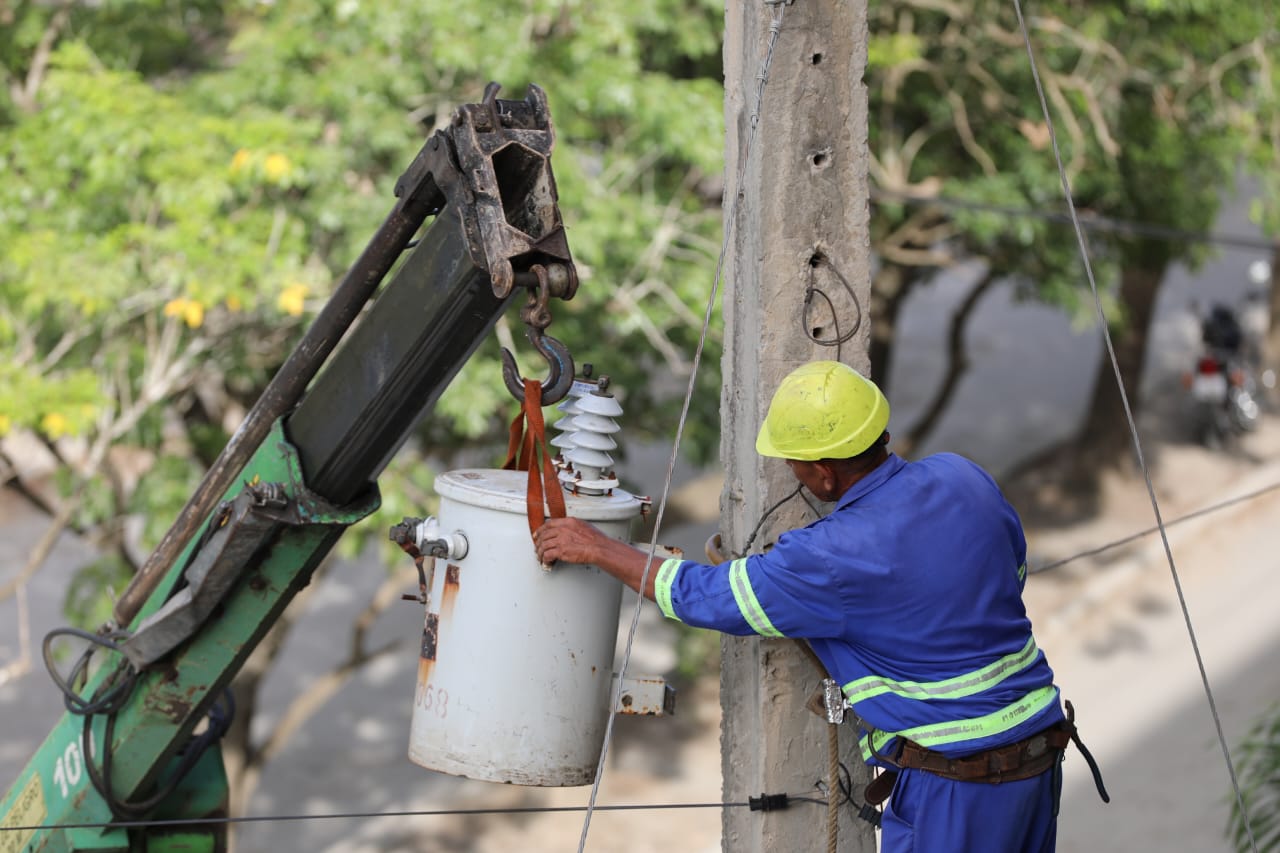
A reader, identified as María Pérez, sent this message to 26. “Here in my neighborhood, La Victoria, we’ve been without electricity for 26 days. The transformer was leaking oil, and we reported it, fearing an explosion that could damage our appliances.
“They took it away, and now they say it was in very poor condition and there’s no replacement available; that it’s not a matter of priority on the waiting list or getting it into the repair shop —it’s whenever they get the parts, with no set date on the calendar.”
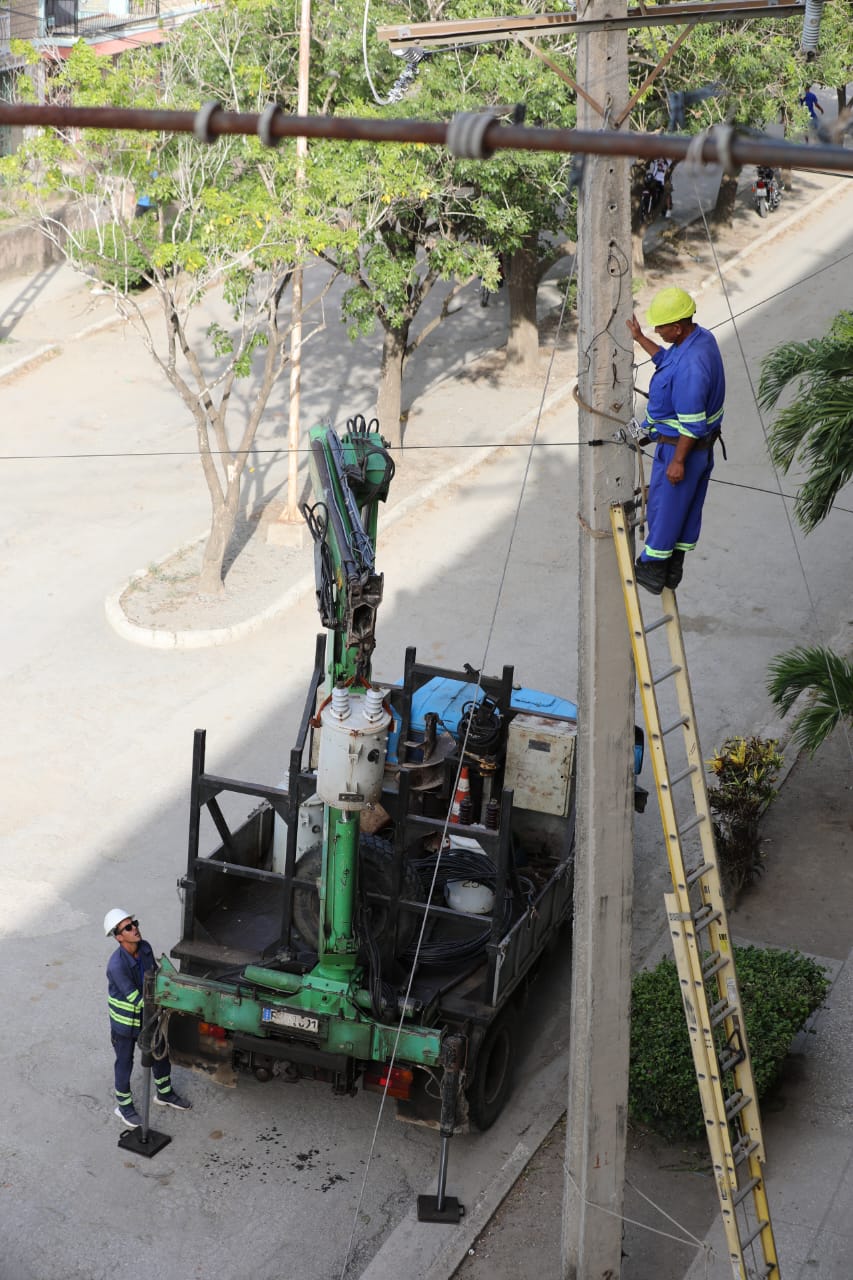 María asked the newspaper to “do something” on behalf of the “58 affected homes, with 10 vulnerable households and quite a few elderly people” living in the affected community. This isn’t the only case.
26 has several messages and comments like this one, and we, as residents of this town, have also experienced firsthand just how chaotic life becomes when, on top of the terrifying situation surrounding the stability of the power supply, there’s a broken, damaged, or oil-leaking transformer—God only knows for how long.
When this news report was finalized, nearly 500 power outages were in Las Tunas, many of them caused by severe local storms and other issues.
And the specialists —who acknowledge the myriad obstacles to finding concrete solutions for each pending case— assert that, of all the issues, the most complex right now is the situation with the transformers.
María’s case wasn’t the most serious when we began our investigation for this article; the oldest pending case dated back to July 7.
--------------------------------------------------------------------
The situation is not limited to the municipal seat, and according to Anisley Santiesteban Velázquez, director-general of Las Tunas Electric Company, the issue has many facets. “The reality is that there are many hours without power, and the moment the power comes back on, people intensify their use of various appliances, causing demand to spike. This is known as the ‘cold load effect,’ which is an overload that damages the transformers.”
Ideally, based on the equipment technical requirements and the experts’ explanation, residents should plug in their appliances and other devices gradually. However, someone who has been without electricity for six, eight, or 12 hours and sees the power coming back on will first think about ensuring there’s water in the tank (if they have one and a pump), about not having to light the charcoal —at least for once—a nd about plugging in as many devices as possible. Because the truth is that when the power comes back on, no one knows for sure how long the service will last; it could be hours or minutes, unfortunately.
The manager knows this, and his workers are well aware of it too. People who often leave their homes in the morning without power spend the entire day working amid all sorts of frustrations and, upon returning to their families, are also greeted by a power outage.
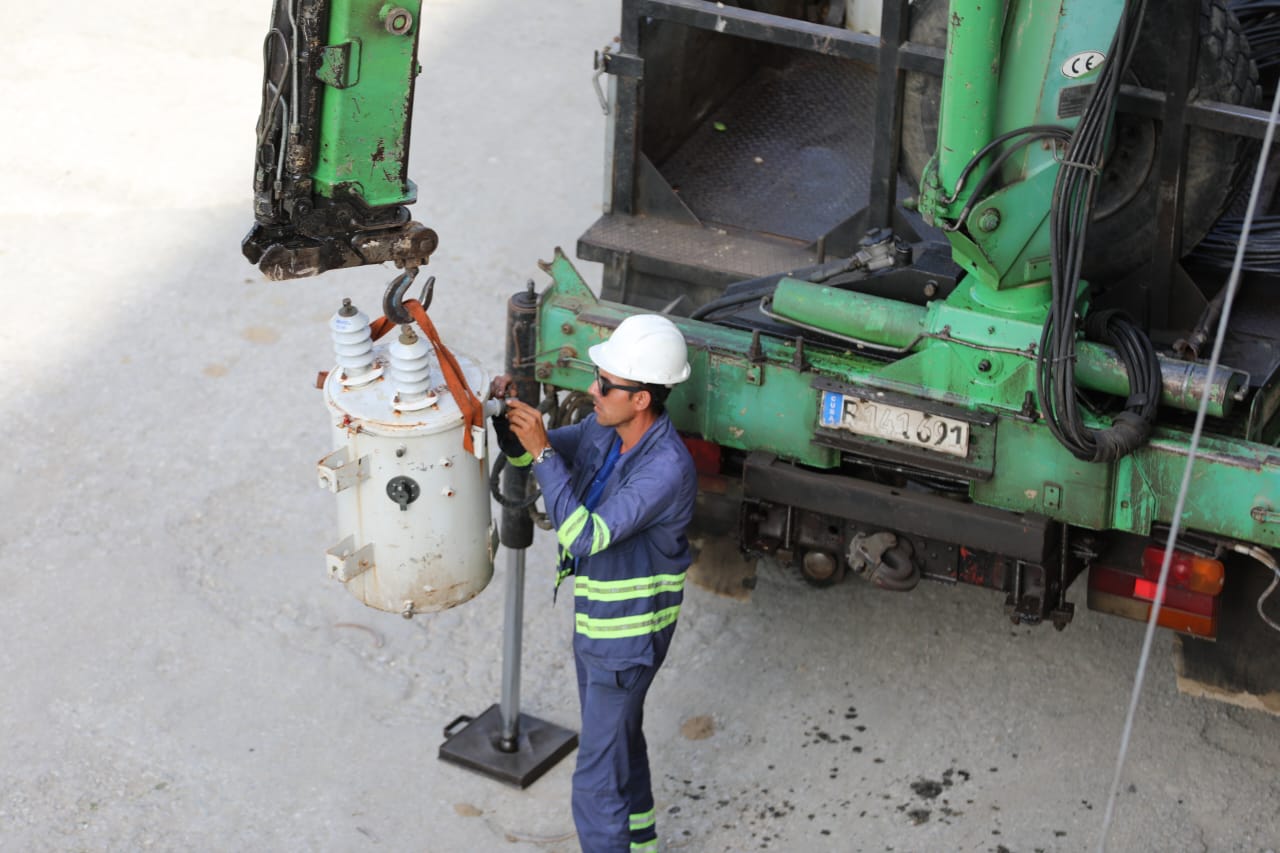
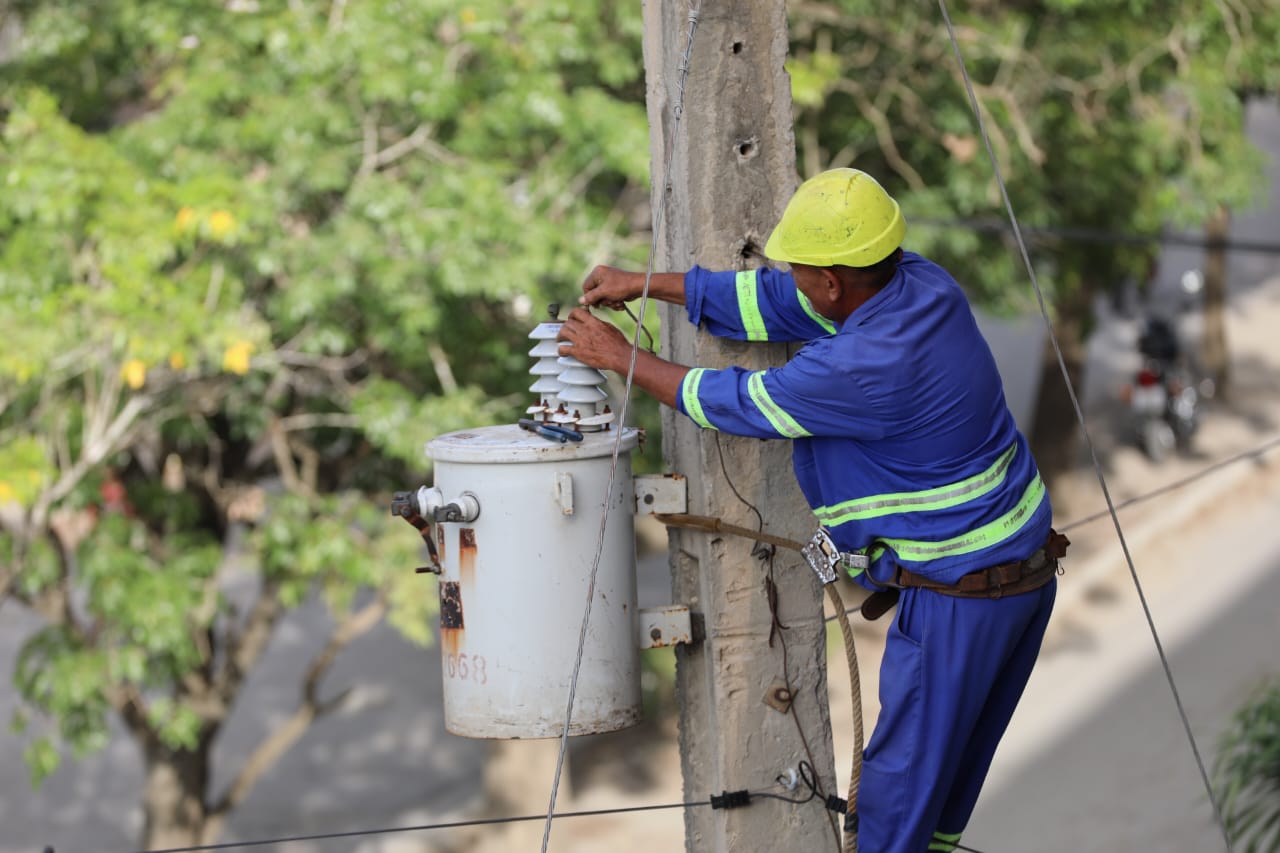
Santiesteban Velázquez is back at it —he knows all about transformers. “The main problem with replacing damaged transformers lies in their limited availability in the province. We’ve explained that some can be repaired in the factories in Villa Clara and Havana, and the workshops in Manzanillo (Granma).
“What we’re doing is, as new transformers are allocated to the region, trying to increase capacity. If, for example, we had a 25 kV/A (kilovolt-ampere) transformer installed in a certain neighborhood, we’ll replace it with a 37.5 kV/A one.”
Likewise, in an effort to avoid or resolve obstacles, circuits have had to be split, and that necessarily limits the available solutions, because it may turn out that two transformers are needed to serve a single neighborhood. “This happened to us in the Pelayo Paneque area —we had to install two instead of one— and a similar situation occurred at Building 33 on Primero de Enero Avenue in Buena Vista.”
We listened to him carefully, and, to be honest, it seems like this whole situation with the transformers is some kind of Tetris game; the limited options for replacement are causing long wait times.
-----------------------------------------------------------------------
Amid such a bleak outlook, another reality comes to light: illegal activities. And it’s not just about the theft of equipment components, the cables that thieves cut from the downspouts, and other equally distressing issues; we’re talking about a relentless and diverse network of illegal activity that keeps those responsible for safeguarding and controlling these resources on edge.
Similarly, during prolonged outages, some neighbors run a makeshift cable from one house to another; and while this is often done in the spirit of solidarity, it ultimately constitutes an illegal act that overloads the equipment and can cause damage.
The problem also extends to prioritized circuits, because many non-state actors travel there to use the electricity—sometimes without the required legal authorization—for the businesses of glassworkers, sheet metal workers, auto body repairers, bakers, and others.
Because, of course, in this convoluted context, people try to “get by, make do”; and damage accumulates, ultimately weighing everyone down—exacerbated by the worst part: there are no concrete possibilities for a short- or medium-term solution regarding the electricity grid.
A friend says the only thing she can think of is “entrusting each neighborhood’s transformer to all the saints”; another colleague told me that “we should tie a little red ribbon around each one to ward off the evil eye”; and popular sentiment has many other variations, some in the form of memes, to provide an emotional outlet for such a complex web of issues.
María’s anxiety is the same as that of those of us who are (or have been) in a similar situation—something that can strike suddenly, even recur, and for which, by all accounts, we must be prepared.