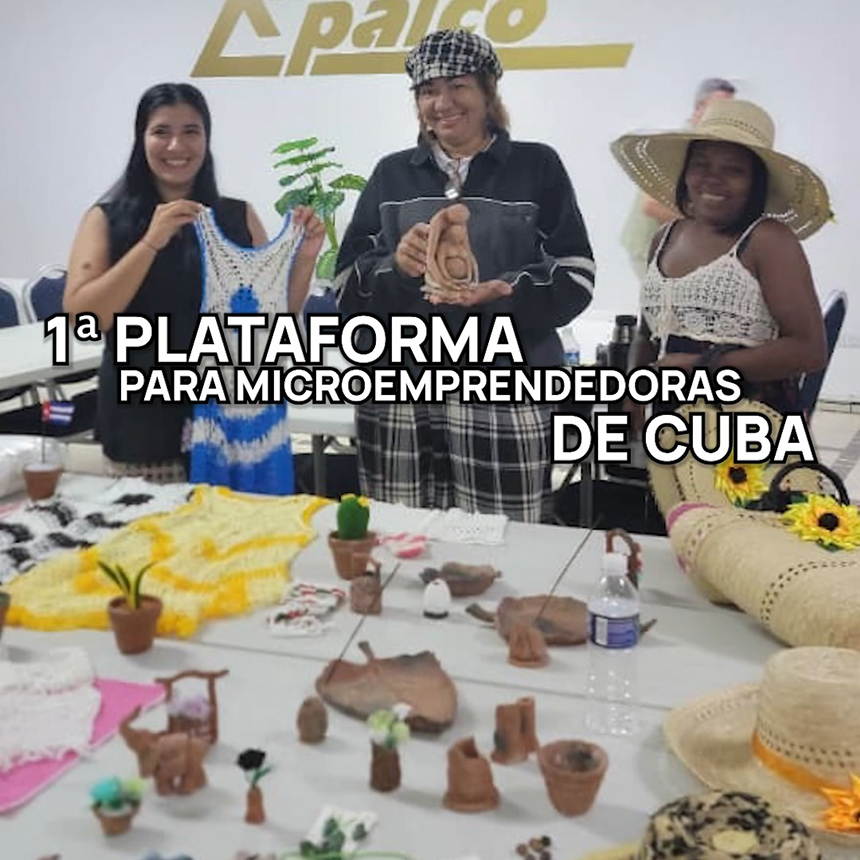
Throughout history, Cuban women have demonstrated an extraordinary capacity to reinvent themselves and forge new paths amidst social, economic, and cultural challenges. Their entrepreneurial spirit, often overlooked, is expressed in the creation of projects that support their families, preserve traditions, and contribute to community development.
Las Tunas, Cuba.– In a context marked by inequalities and structural barriers, every initiative led by women becomes an act of resistance and innovation. It is precisely in this scenario that CognitIA Mujer emerges, a platform that recognizes this talent and transforms it into an engine of local growth, connecting female creativity with the opportunities of the digital world.
 Following a call for proposals from the LABIC 2025 Program, promoted by the Public and Citizen Innovation Division of the Ibero-American General Secretariat (SEGIB in Spanish), the CognitIA Mujer initiative is presented, one of 53 proposals received from 13 countries.
The initiative presented by Dayalé Torres Diéguez, president of the Union of Computer Scientists of Cuba in the province and director of the Citizen Digital Innovation Laboratory, was selected to receive technical and strategic support due to its relevance and potential impact.
“CognitIA Mujer expresses the will and commitment to promote and design strategies for the empowerment of women in the digital context.”
“This project, in addition to playing an important economic role within their families and for the community, also develops and carries out caregiving for dependent individuals, representing an opportunity for women who have a family member requiring special care, thus imposing a double workload."
“This often prevents these women, who possess special talents for handicrafts and for preserving the cultural heritage of their communities, from having enough time or financial resources to pursue entrepreneurial ventures.”
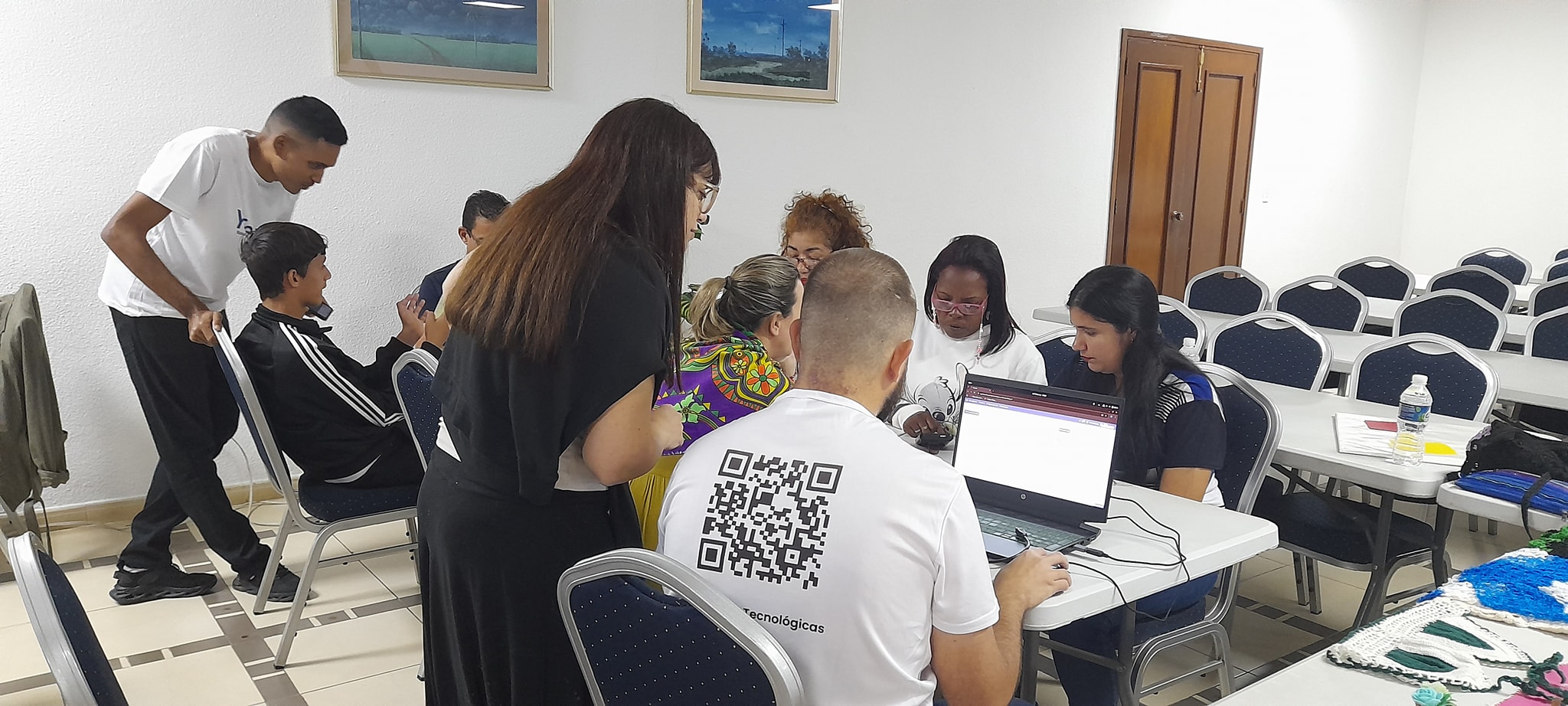
For four intensive days, we worked directly with female entrepreneurs from the Las Tunas' San José neighborhood to build a tool designed to address their needs, sell their products, and improve their living conditions.
This project goes beyond the idea of a simple website; it is the tangible product of a co-creation process with the women themselves, who validated every design and functionality decision.
“The prevention of gender-based violence that is reproduced in the digital context is one of the strengths of this platform, as it is incorporated into training activities.” The latest data from the National Occupation Survey (ENO 2024), published in July 2025, reveals a persistent gender gap: women represent only 36.8% of the employed population compared to 61.8% of men, and their presence in the non-state sector is a mere 17.8% compared to 45.9% in the state sector.
This inequality is fueled by low visibility, limited access to practical training, and fragile support networks. Many female entrepreneurs work in isolation or in the informal sector. The platform aims not only to market products but also to strengthen the human and social capital of Cuban women, transforming their talent into an engine of local development.
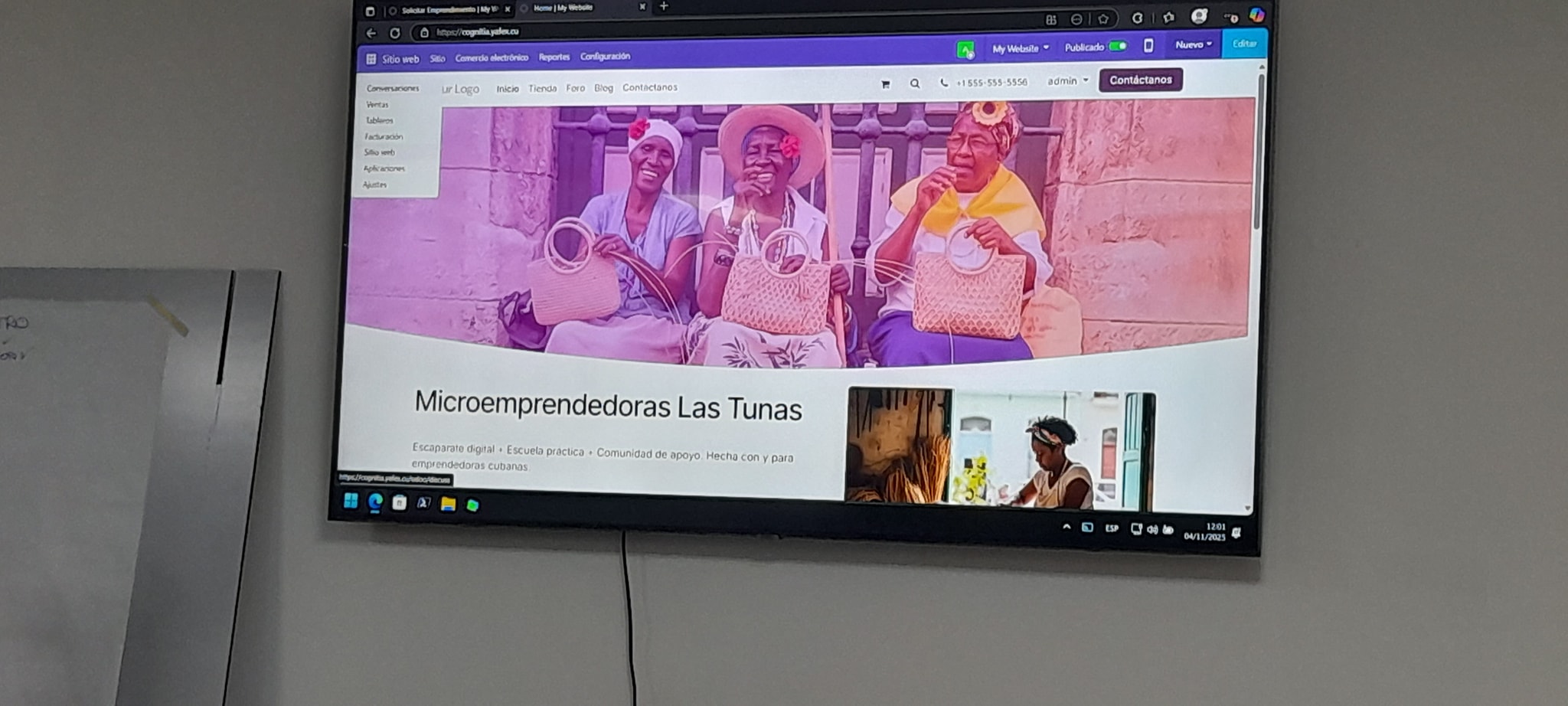
To ensure that technology facilitates rather than hinders, the solution was built on the Odoo platform, community version, a robust and scalable technological foundation for a project with a forward-looking vision. Artificial Intelligence was employed in a practical and accessible way to enhance visual quality and help create narratives that connect buyers with the story and authenticity of each product. piece.
Investing in, collaborating with, and supporting cognitia.cu means betting on a replicable and scalable model. The success in Las Tunas is the first step toward impacting thousands of women entrepreneurs throughout Cuba. It's more than a platform; it's a bridge between local talent and growth opportunities, between tradition and innovation, and between the entrepreneur and her community.
Las Tunas serves as a pilot project with an architecture designed to be replicated and scaled organically to other provinces. Conversations have already begun with universities, associations, and local authorities to build sustainability through partnerships.
This project demonstrates that innovation with a gender focus can be an engine of community and national development. The challenge is to scale, replicate, and sustain this experience so that thousands of women entrepreneurs across Cuba can find in technology a bridge to autonomy and recognition. Investing in them is investing in the progress of all of society.