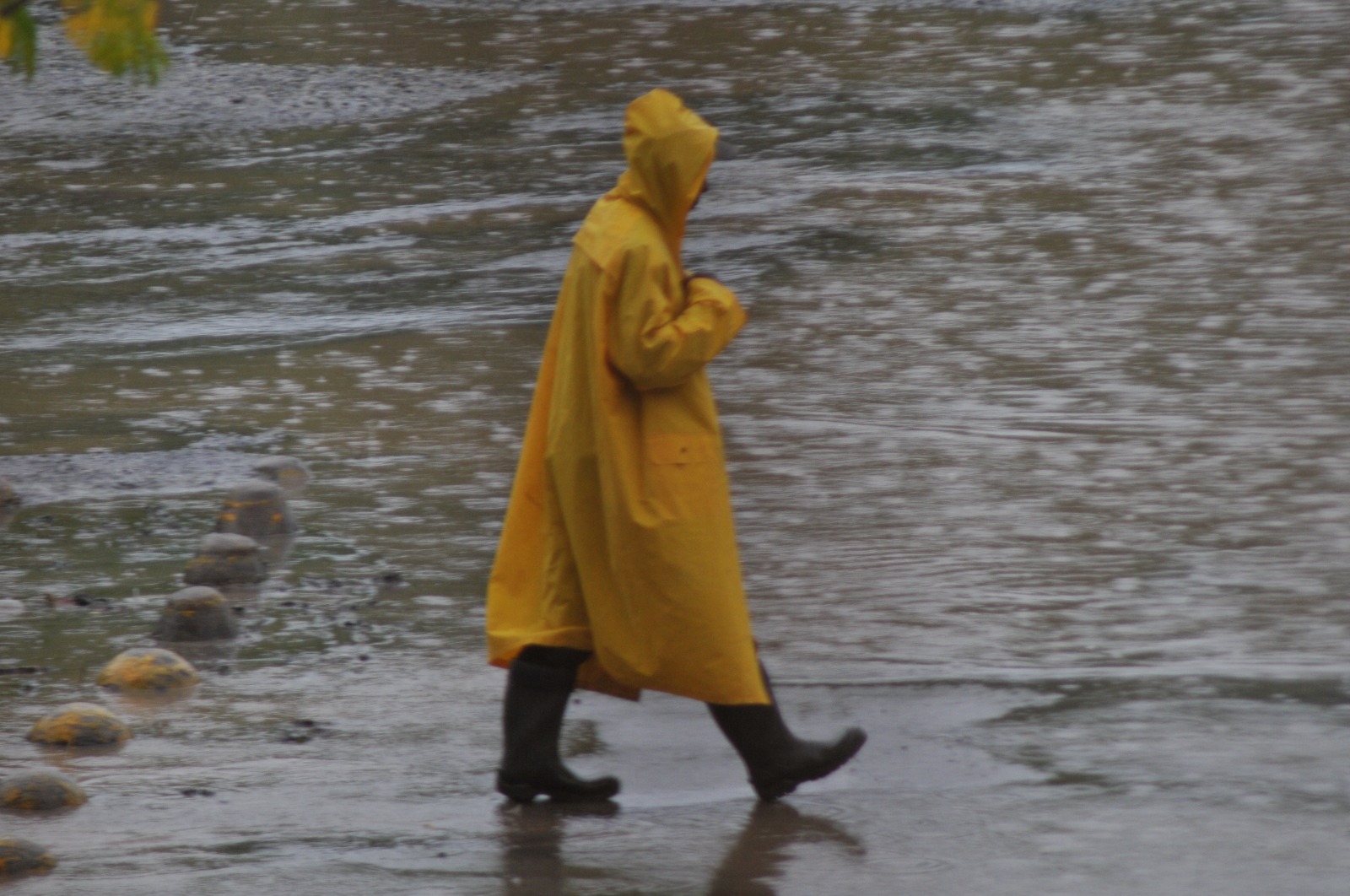
The rainy season, coinciding with rising temperatures, has put Las Tunas health authorities on alert, as these conditions are conducive to the outbreak of diseases transmitted by the Aedes aegypti mosquito.
Las Tunas, Cuba.– Dr. Yumara Acosta García, director of the Provincial Center for Hygiene, Epidemiology, and Microbiology, explained to 26 that "There has been an increase very much in line with the historical trend of arboviruses, related to climate change, rainfall, humidity, and high temperatures, which has led to a much more complex situation today compared to 21 days ago."
The highest incidence of febrile cases is concentrated primarily in the “Jesús Menéndez,” Jobabo, and the provincial capital; in the latter, specifically in the Gustavo Aldereguía and Guillermo Tejas health areas, the doctor specified. She warned that “The rest of the municipalities are also reporting an increase in fever cases compared to previous weeks.”
Given this situation, the health sector has intensified active surveillance efforts, with an emphasis on case finding, especially in high-risk epidemiological zones where many vector breeding sites have been identified.
The strategy includes strengthening biological control measures, larvicide in water containers, and eliminating environmental hazards, in a coordinated effort between the General Directorate of Health, the Communist Party of Cuba (PCC), and the government.
“September and October are historically the most challenging months for the province,” warned Dr. Acosta, who stressed the need for timely and decisive action to prevent further complications in the epidemiological situation.