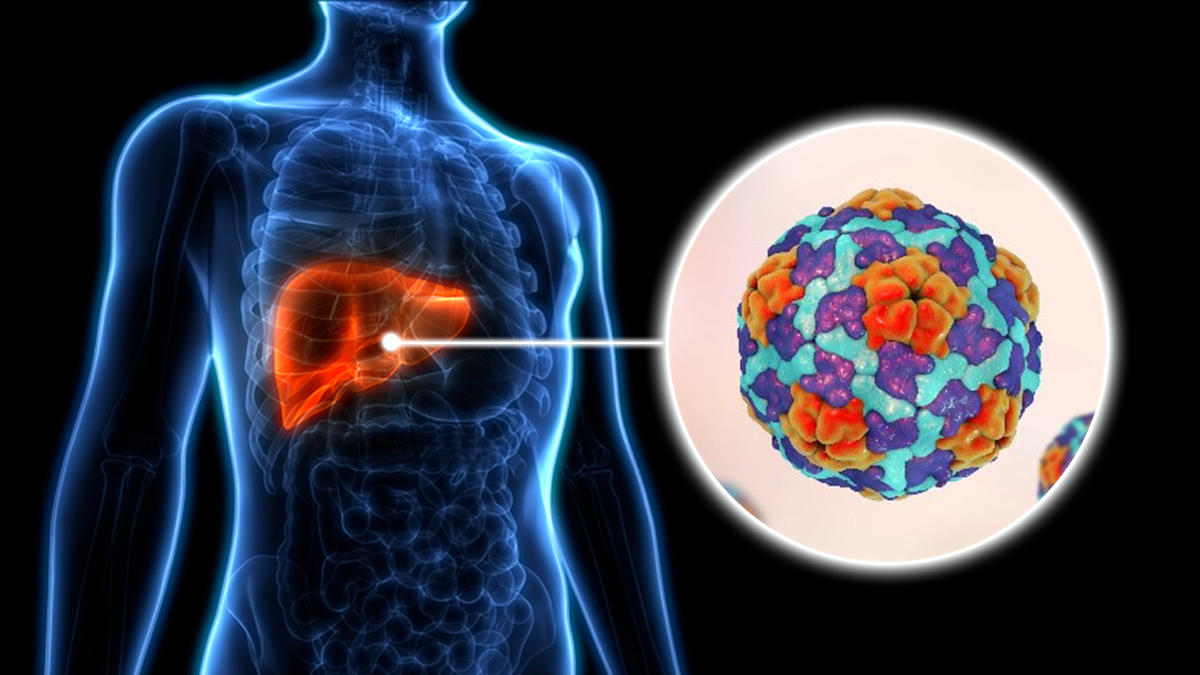
When someone in the neighborhood contracts hepatitis, collective concern often sets off alarm bells because you can never know for sure how far the infection might spread. Most people assume this virus is highly contagious and poses little danger to healthy individuals, but when it comes to protocols for action, we don’t always know what to do.
Dr. Yumara Acosta, director of the Provincial Center for Hygiene, Epidemiology, and Microbiology, told 26 that the key to managing the situation is to immediately seek assistance from public health services, as it is through the family doctor’s office that all household members and individuals exposed to the disease are monitored.
“The first thing to clarify is that in Cuba, hepatitis is a notifiable disease,” she emphasizes. “As soon as a case is suspected or confirmed, our health system immediately activates epidemiological surveillance. This means that the family doctor and the polyclinic conduct a follow-up to determine the source of the infection, and of course, this helps break the chain of transmission."
“This disease is not a cause for alarm, but it does require swift action. To establish epidemiological surveillance, it is necessary for anyone with symptoms suggestive of hepatitis to visit their family doctor’s office or the polyclinic’s emergency department. This is vital for identifying and reporting the case and, of course, for conducting epidemiological control of outbreaks in the area and implementing a series of measures aimed at monitoring water and food supplies."
“It is important for all family members to get tested, as well as close contacts and anyone who may have been at risk. Why? Because some people may carry the virus without showing symptoms —especially children— and, unintentionally, of course, transmit it. This can confuse, but it’s important to clarify that children under six years of age are generally asymptomatic; this does not mean they do not transmit the virus.”
The epidemiologist explains that the family is being monitored to protect both the family and the community, which is the sector’s primary responsibility. Irresponsible behavior can cause isolated cases to gain greater attention.
“At home, you have to act as a care team. The most important thing is, of course, to take extreme hygiene measures: washing hands with soap and water after using the bathroom, before cooking, and before eating. Personal hygiene must be taken very seriously; the patient must have their own towel and toothbrush, and even their bathroom fixtures must be thoroughly disinfected."
“This is not optional. You must ensure that the patient’s clothing and dishes are disinfected —that is, they can be washed normally, but with hot water and plenty of detergent and bleach— and, above all, kept separate from those of other family members."
“As for rest, with this disease it is not just a general recommendation but a medical recommendation dictated by the patient’s symptoms and energy levels. It usually lasts two to four weeks, as long as the yellowing of the skin (jaundice), fatigue, and lack of sleep persist. During the convalescence phase, when transaminase levels improve, rest is relative, though physical exertion must still be avoided."
“Typically, two, three, or four weeks of time off from work or school are needed until the doctor confirms that liver test results are normal and liver function has returned—that is, regarding inflammation of the liver cells. Full recovery of energy levels can take up to a month or longer."
What if the condition is severe?
“Now, you have to be very alert to symptoms or warning signs. The person starts with flu-like symptoms—that is, extreme fatigue, a low-grade or mild fever ranging between 37.5 and 38 degrees, headache, muscle aches, loss of appetite, and nausea. A typical sign of hepatitis is that within a few days, the urine becomes dark—that is, a color similar to strong tea—stools become pale, clay-colored, or whitish, and the skin and eyes turn yellow (jaundice).”
“Now, there are warning signs. If a person becomes very drowsy, has bleeding gums, a swollen abdomen, or experiences very frequent and severe vomiting, we ask that they see a doctor immediately. The virus manifests differently in each person, especially if they have underlying risk factors and are unaware of them.
ALERTS…
Specialists at the Public Health Center recommend caution because outbreaks tend to increase during periods of rain or intense heat. During these seasons —such as the one just around the corner— water sources and food can sometimes become contaminated more easily if not handled properly. Of course, prevention is important year-round.
“Hepatitis A, which is most common in children and young people, is transmitted via the fecal-oral route. This happens when an infected person does not wash their hands thoroughly after using the restroom and contaminates food, water, utensils, or surfaces. It can also occur from eating raw seafood from contaminated waters or through close contact at home or school with people who are currently contagious.
“Prevention is very simple, and handwashing is the key. Ninety percent of prevention comes down to this: washing your hands before eating and after using the restroom. You should drink safe water and cook food thoroughly. It is recommended to avoid eating raw seafood and to wash vegetables thoroughly.
“Last but not least is the vaccine. In Cuba, we have several vaccination schedules for at-risk groups, and immunization is always an option. We urge the people of Las Tunas to keep our homes and communities clean. Hygiene is the best social vaccine.”
…
Hepatitis A is a noticeable but benign disease that produces lifelong protective antibodies. It is very frightening due to the yellowing of the skin and eyes and the extreme fatigue it causes, but from the liver’s perspective, it usually leaves no lasting effects in most cases. Most importantly, it is entirely preventable. All that is needed is to practice strict hygiene.