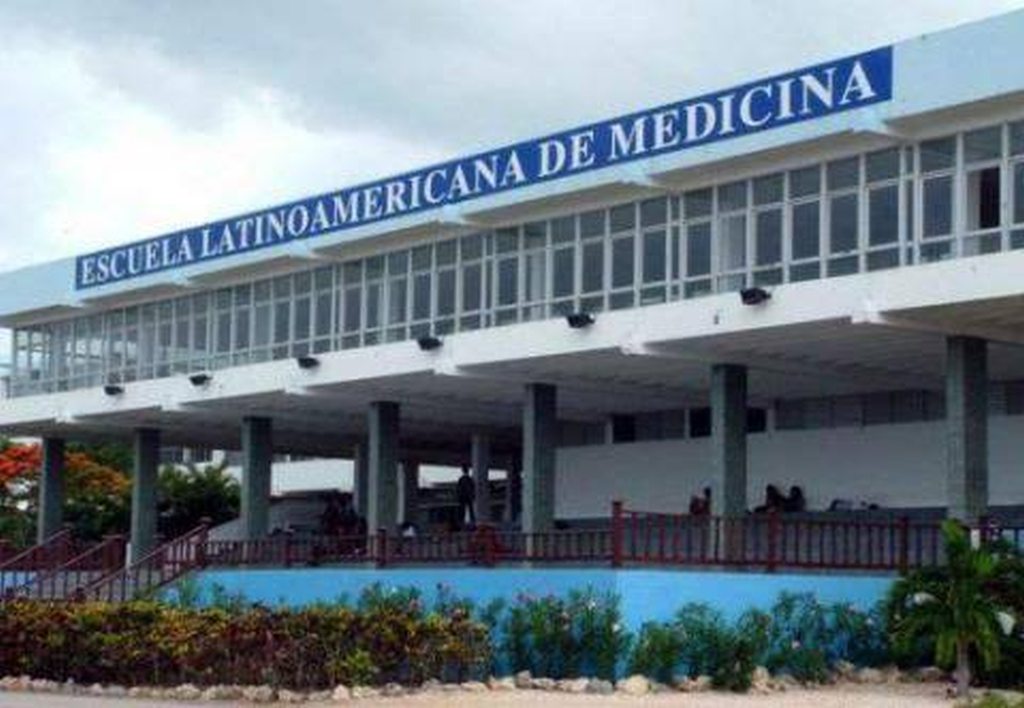
The distinctive humanism of Cuban medicine is now also present in the relief effort for victims of the earthquake that shook Colombia last Monday, through the work of physicians who graduated from the island nation.
To Chocó —one of the departments affected by the tragedy and also one of the poorest in the country— the Los Mambí – August 10 Humanitarian Brigade departed, composed of professionals trained at the Latin American School of Medicine (ELAM).
In addition to the contingent providing services in that northwestern region, whose name honors the designation given to Cuban independence fighters, other graduates from the school located in western Cuba are also putting their knowledge at the service of those affected in the cities of Pereira, Buenaventura, and Cali.
These physicians are also ambassadors of the values, vocation, and example of Cuban solidarity with the peoples of the world.
A total of 1,367 students have graduated in medicine from Cuba. Of that number, 212 specialized in Comprehensive General Medicine, and of those, 171 have completed other specialties.
Currently, 391 students —most from low-income backgrounds— are pursuing studies in different years of the program, thanks to scholarships granted by the Caribbean nation to Colombia following the signing of the 2016 Peace Agreement.
According to official data from the Colombian government, the death toll from the earthquake now stands at 287.
The National Unit for Disaster Risk Management (Ungrd) reported in its latest tally that there are 4,147 injured, 194 missing, and 355 rescued.
The agency also revealed that 15 of the country’s 32 departments have been affected, involving 472 municipalities, 120,671 families, and 186,000 people.
The number of damaged homes continues to rise, with 127,608 now counted, while another 26,392 houses have been destroyed and 197 buildings have collapsed.
Regarding infrastructure and services, the report cited 304 health centers, 3,207 educational institutions, and 4,059 community facilities affected. The Ungrd also noted damage to 410 roads, 95 aqueducts, 48 vehicle bridges, 13 pedestrian bridges, and five airports. (CubaSí)