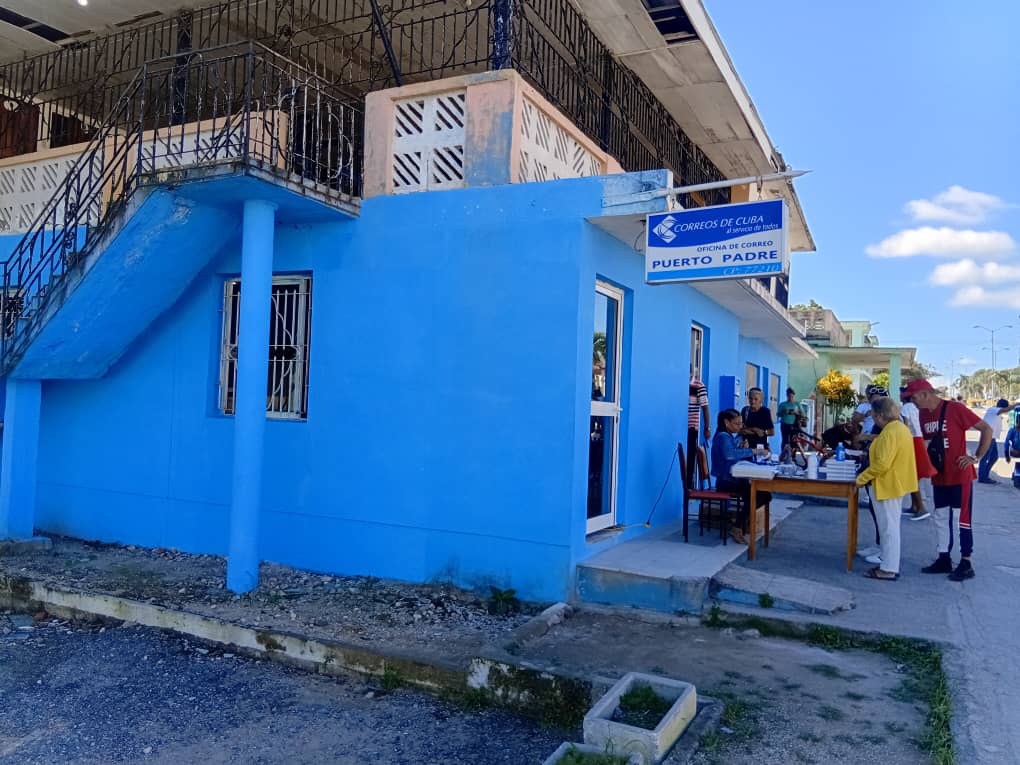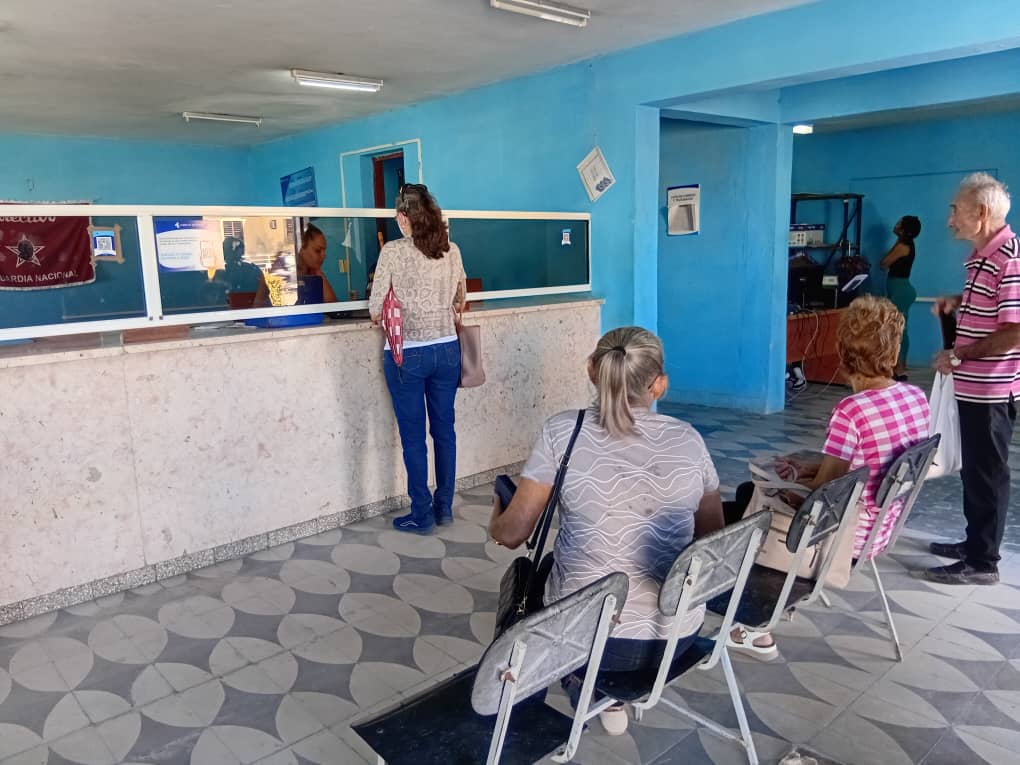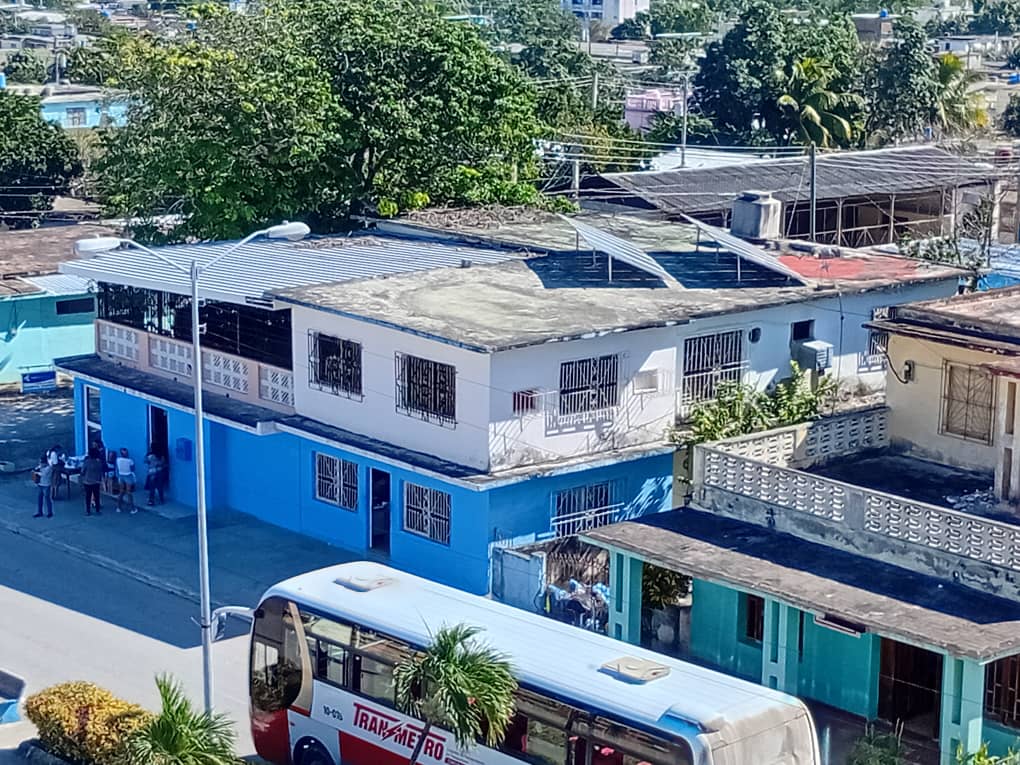
“What we used to do in seven days, we now do in one. Electricity, these days, is everything.” He says this with the certainty of someone who has seen his workplace transformed. Yordanis Rondón Fernández, director of the Puerto Padre Post Office Basic Business Unit (UEB), doesn't hide his enthusiasm as he talks about the 10 solar panels that, since December 17, have changed the dynamics of an entity that has exceeded its plan for five consecutive years.
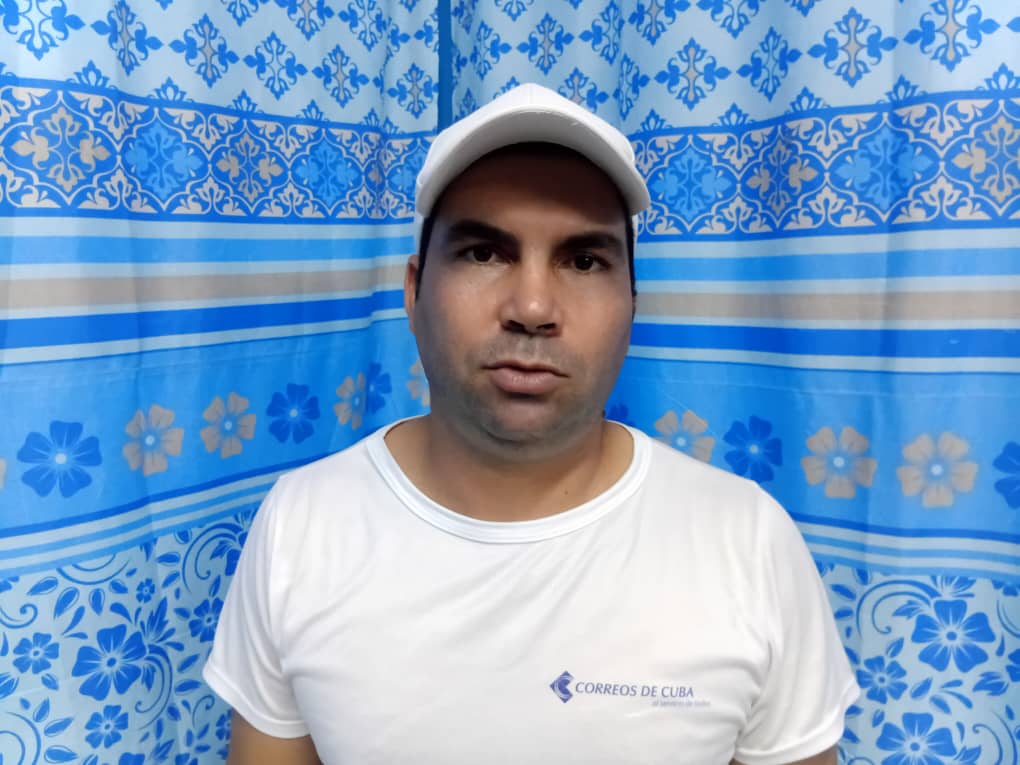 Puerto Padre, Las Tunas.– The idea, he says, was born out of a need and a vision. Puerto Padre is the second-largest contributor to the Post Office plan in Las Tunas, but it lacked energy backup. “The then-provincial director, Douglas Leyva López, currently president of the Cuban Post Office Business Group, saw the opportunity within the country's energy transition strategy,” explains Rondón Fernández.
The solution came in the form of a bank loan, one of the avenues promoted by the government as part of its measures until 2027. The system, installed by the Durkal private enterprise, has a capacity of 12.5 kilowatts, backed up by batteries that store up to 12.5 kWh.
“The benefit is incalculable. It guarantees that retirees receive their pensions on time, postal money orders are printed, digital stamps can be sold, or that QR code payments can be processed without depending on the National Electrical System (SEN).”
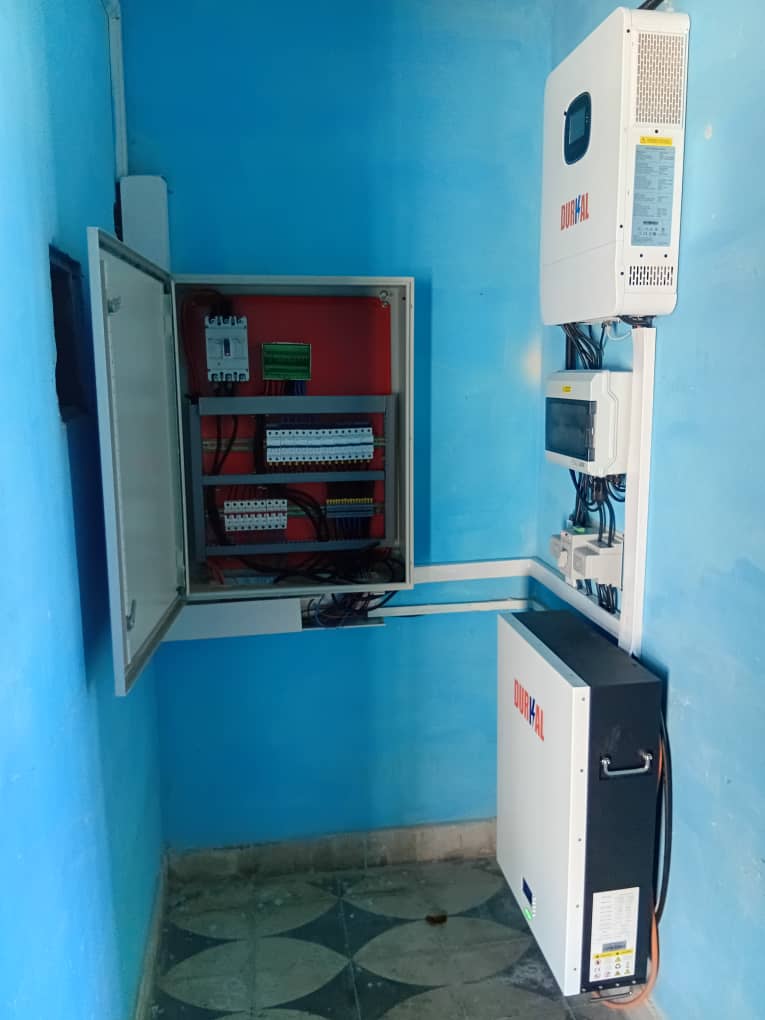 Figures speak for themselves. Today, for example, the number of retirees served is three times higher. “The impact has exceeded expectations. We have doubled and even tripled our income because document printing and transactions are constant.”
The project extends beyond the walls of the Post Office. “Initially, it was about ensuring our service, but we are already working on expanding the benefit to the community,” explains Rondón Fernández.
Among the immediate plans is to enable a free charging service for mobile phones and small electrical devices. Furthermore, in coordination with the authorities, they are evaluating the creation of a charging station for electric motorcycles, tricycles, and bicycles, with a modest fee that would be determined at the provincial or national level.
“We are the first state entity in the municipality to achieve this. Self-sufficiency is not a luxury; it is a strategic step.” In a year where the UEB's plan has almost doubled, from 7.8 million in 2024 to nearly 16 million in 2025, solar energy has become the ally that allows progress, even when the national energy landscape is complex.
With the same determination with which he has met and exceeded goals, navigating salary changes and the pandemic, Rondón Fernández now looks ahead, guiding this unprecedented chapter in the energy transition in Villa Azul.