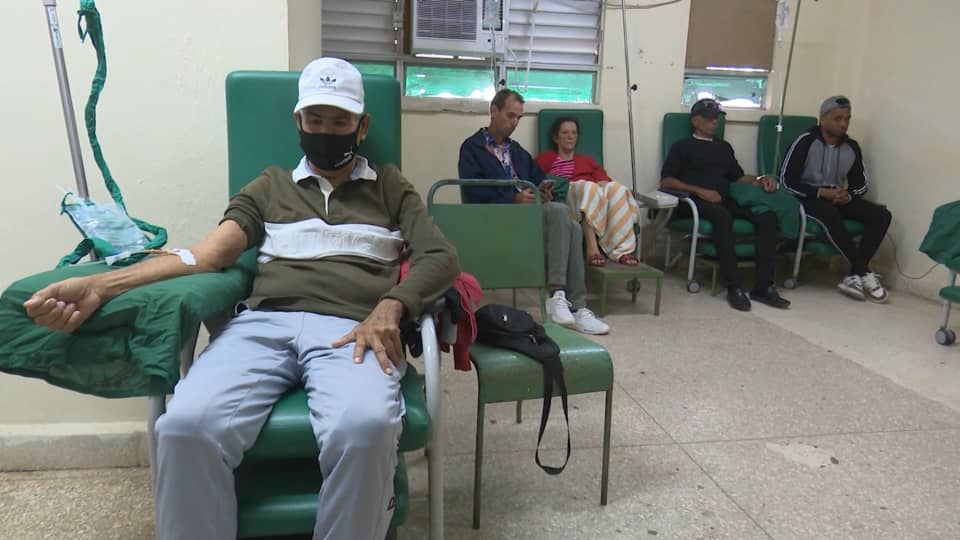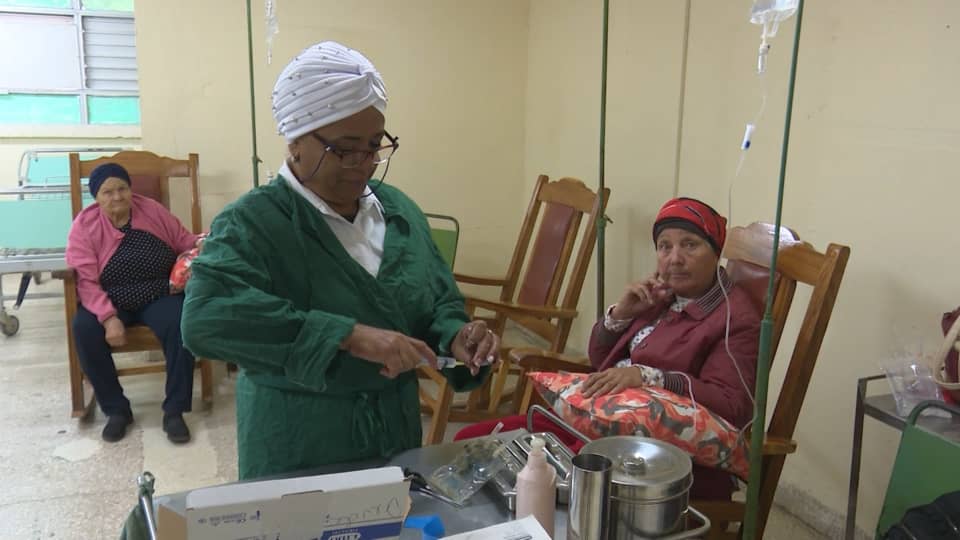
In the Oncohematology Service of the Doctor Ernesto Guevara de la Serna General Teaching Hospital, every drop of medicine that enters a patient's bloodstream is a small victory against a relentless disease and against an even more persistent external obstacle: the economic, commercial, and financial blockade imposed by the United States government against Cuba.
Las Tunas, Cuba.- This siege, which has lasted more than six decades, has hit the heart of the country's health system hard, and one of its most sensitive targets is precisely the Oncohematology Department, where the battle against cancer is being fought.
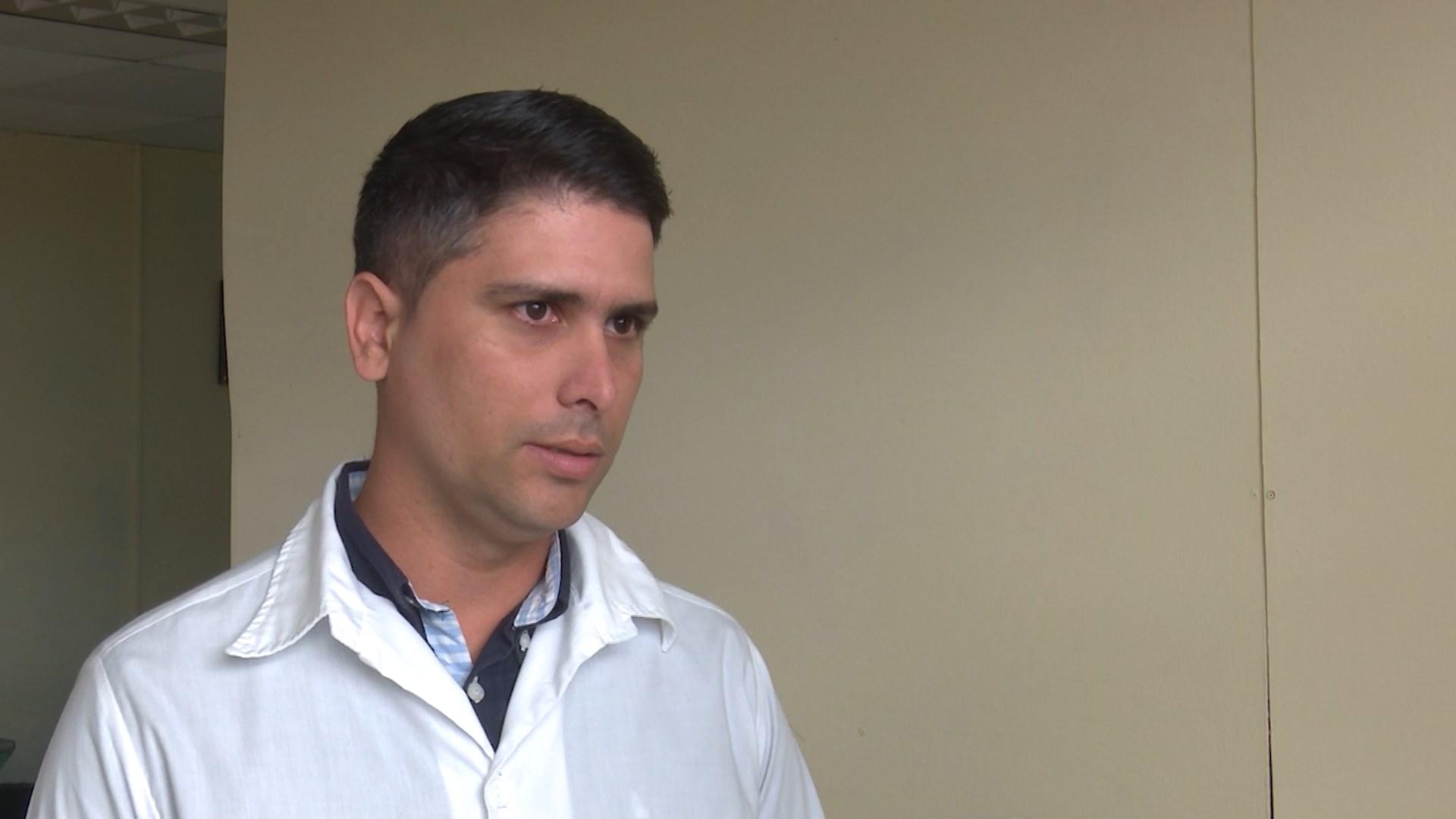 Dr. Carlos Rafael Pérez Santiesteban, Guevara's deputy clinical director of surgery, explains the complex logistics. “Our service is provincial. We treat 100 percent of patients in Las Tunas who require chemotherapy. However, we are missing a fundamental piece of equipment: the chemotherapy machine,” he admits, pointing directly to the blockade as the main cause limiting access to such expensive and specialized technology.
The consequence is a forced pilgrimage. Patients must travel to the provinces of Holguín or Camagüey. To do so, transportation is coordinated daily by the Integrated Emergency System, the doctor assures us, taking into account that this is a priority service. He also points out the physical and emotional strain on patients and their families.
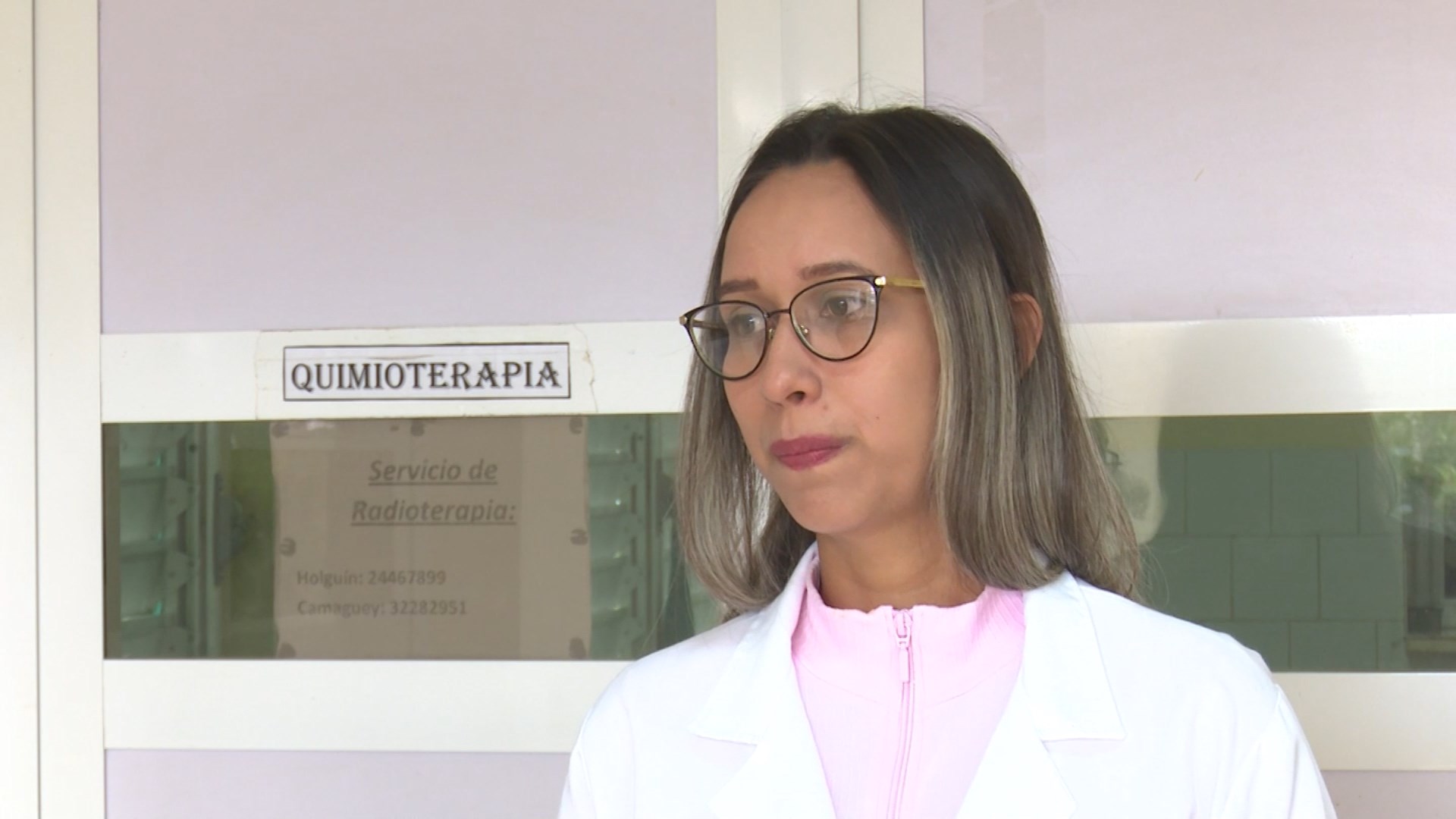 Dr. Martha Elena Espinosa Velázquez, an oncology specialist and head of the service, details one of the problems as dependence on imports. “The resources for chemotherapy, in most cases, are imported drugs.”
The blockade makes their acquisition more expensive, difficult, and sometimes impossible. “In 2025, the entry of supplies was mainly affected in treatments for chemotherapy and pain. Even in provinces with radiotherapy, equipment breaks down, and the lack of spare parts generates waiting lists.”
Faced with this imposed shortage, the response of medical and nursing staff is not resignation, but clinical intelligence and adaptation.
When the first-line drug is unavailable, the second or third protocol is used. If radiotherapy is delayed, chemotherapy is started. Every decision is made collectively. “We work according to international guidelines and our own institutional protocols. We discuss cases at the table; it is a decision made by the entire department,” explains the oncologist.
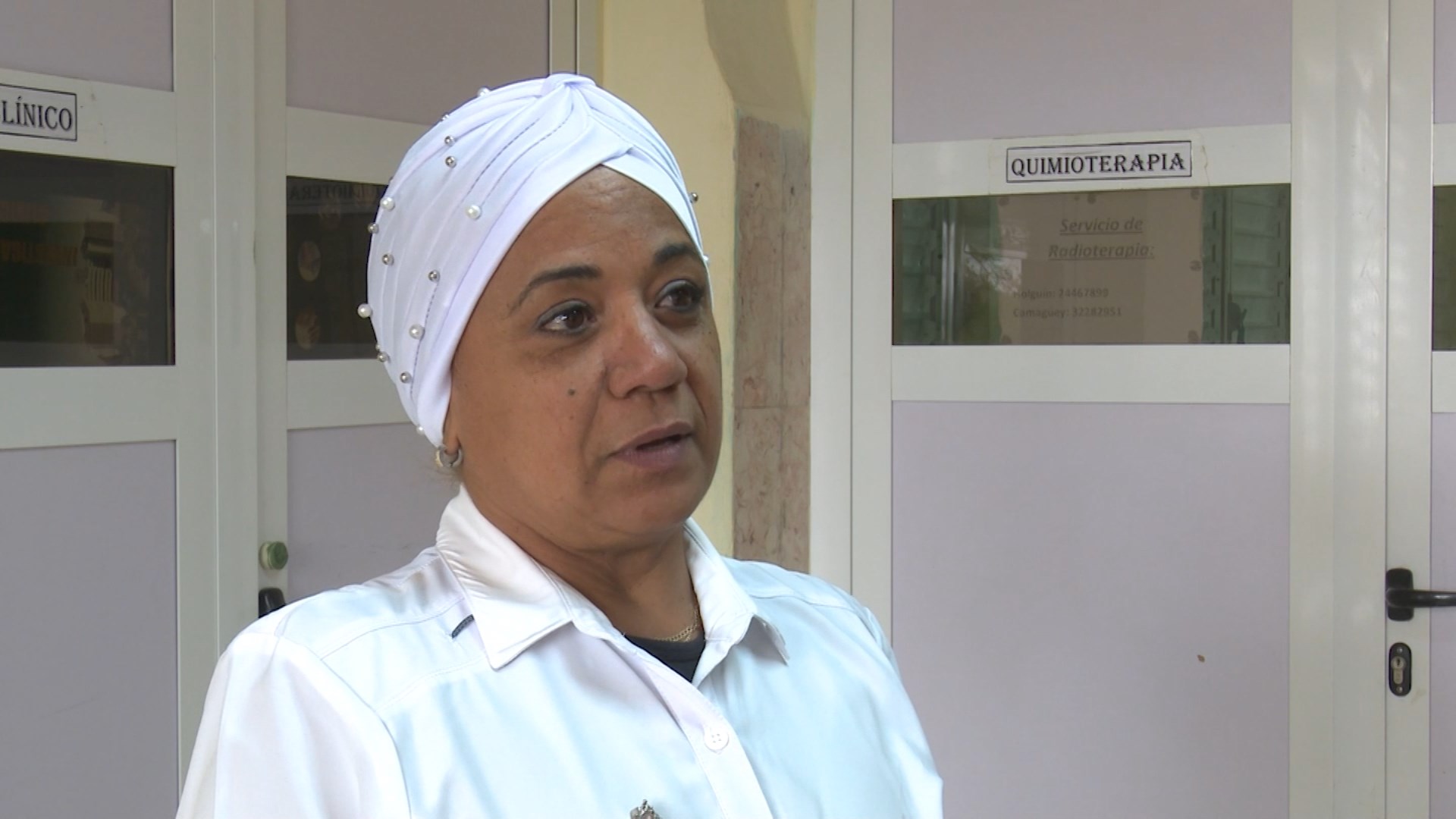 Sarais Bermúdez Bejerano, with 31 years of service and 12 in the chemotherapy ward, talks about care based on humanity, affection, and understanding. "It's very difficult to tell a patient that we don't have the medication to relieve their pain. In the midst of that adversity, we form deep bonds. We had a 13-year-old boy here whom we cared for in an exceptional way.
“Every time I gave him his medication, his eyes would light up because in his previous treatments, when they injected him, it was very difficult to find his veins. With me, it was only once. When he had to come to the clinic, he always looked for me. That was very nice,” she says, demonstrating technical excellence and human warmth.
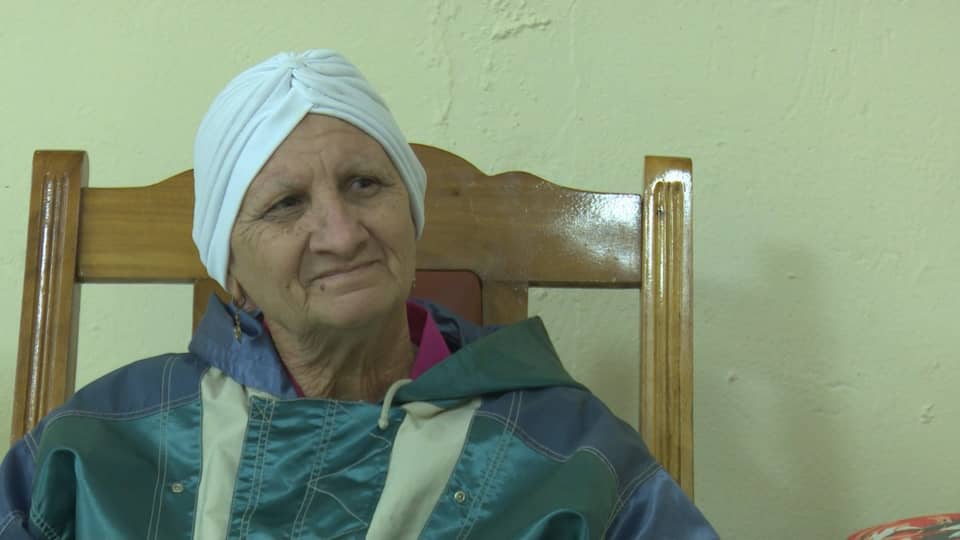 Elena Rodríguez Gallo, a patient undergoing treatment, gives the interview with the serenity of someone fighting her own battle. “We indeed have a blockade, but our government has sought alternatives. We haven't lacked anything... there's always a step forward.”
She has no doubts about the care provided by the staff, assuring us that it is exceptional. Not only by the nursing and medical staff, but also by the support staff.
The Oncohematology Service in Las Tunas reflects the reality of public health in Cuba. It is sophisticated, universal, and free, yet at the same time undermined by a foreign policy that penalizes the most vulnerable. The blockade delays diagnoses, complicates treatments, and causes avoidable pain.
It is also a testament to resilience. The medical staff's ability to “do more with less,” their constant scientific updating, and, above all, their humanistic dedication, contain the damage and save lives.