Some crimes, at first glance, may not seem to have such serious consequences: a solar panel that goes missing, a few meters of cable that are cut, or a public facility vandalized during the night. However, when what is stolen is part of a service intended for the collective well-being, the damage goes beyond the stolen object and ultimately affects us all.
Las Tunas, Cuba.- In “Amancio,” incidents of this nature clearly demonstrate this. The theft of panels at pumping stations where the energy transition has taken place represents more than just the loss of equipment. It can compromise the operation of essential facilities and affect access to water for entire communities.
The theft of cables from the Cuban Telecommunications Company, S.A. (Etecsa in Spanish) has similar consequences. What may be merely a source of income for a criminal can result in neighborhoods being cut off from communication, difficulties in making calls, and disruptions to services that are increasingly essential to daily life for hundreds of people.
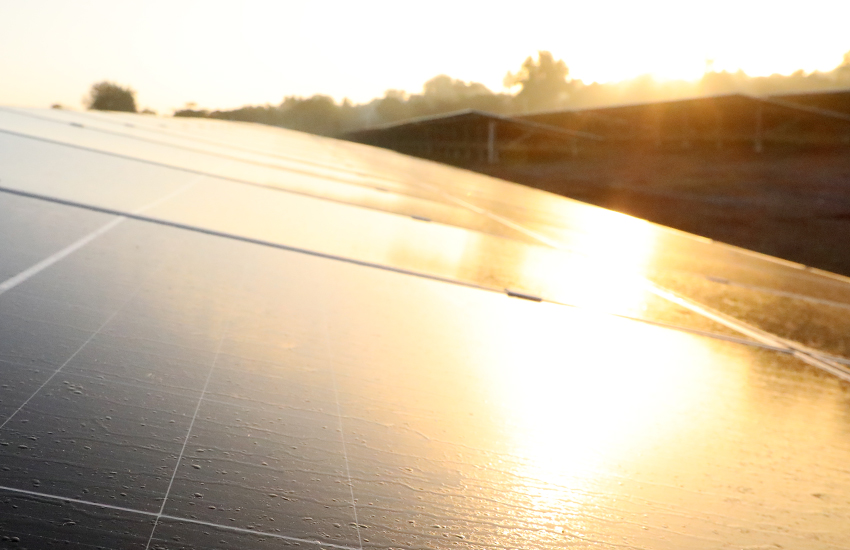
Also of concern are the events at the Punta Brava photovoltaic solar park, where cable theft affects infrastructure designed to contribute to electricity generation. Every component stolen represents resources that must be replaced and additional efforts required to keep a facility—which is important for the locality and the country—operational.
This reality becomes even more complex amid the economic difficulties facing Cuba, exacerbated by the intensification of the U.S. government’s blockade against our country. Restrictions on access to resources, technologies, financing, and certain supplies make it more expensive and difficult to replace equipment and materials. In this context, destroying or stealing resources intended for public services means adding new burdens to an already difficult situation.
But economic difficulties cannot become a justification for crime. Quite the contrary: they must compel us to protect the resources we have—and which belong to everyone—with even greater responsibility.
Therefore, it is essential to strengthen the surveillance and protection of pumping stations, Etecsa facilities, and the Punta Brava solar park; to review their security, lighting, and access control systems; and to reinforce their alert mechanisms so that action can be taken more quickly in the event of any irregularities.
Greater community involvement is also necessary. Residents know their neighborhoods, can identify unusual activity, and can become key allies in prevention. Promptly reporting suspicious situations to the authorities is not merely filing a complaint: it is helping to protect an asset that belongs to all of society.
And, of course, there is individual responsibility. It cannot be accepted as normal for someone to cut a cable, steal a panel, or remove a component from a public facility with only personal gain in mind and without considering the consequences of their actions.
Addressing these issues requires an institutional response, prevention, surveillance, and citizen participation. But above all, it demands an understanding of a truth we must not lose sight of: public property is ours as well, and caring for it has a direct impact on the country’s present and future.