


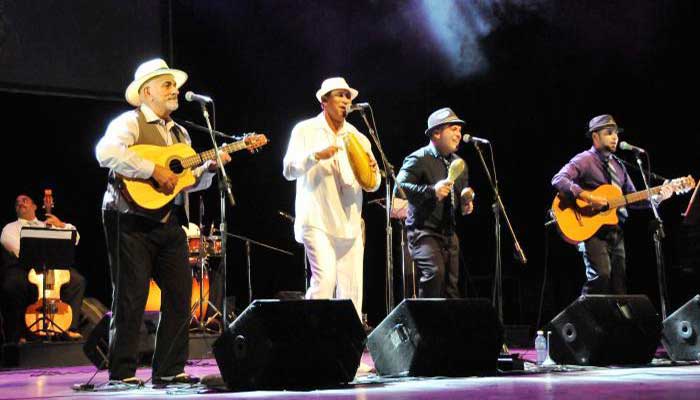
Since yesterday, Wednesday, the Practice of Cuban Son has been recognized as Intangible Cultural Heritage of Humanity. This delightful musical genre is now included in the official list of recognized heritage, coordinated by the United Nations Educational, Scientific, and Cultural Organization (UNESCO).
The news fills our hearts with pride because of a rhythm born in Cuba's eastern region, which the great Ignacio Piñeiro, in emphatic words, defined as "the most sublime entertainment for the soul."
The decision to give Son its rightful recognition was widely defended by a solid dossier prepared by its bearers, assisted in turn by the Center for Research and Development of Cuban Music, the Cuban Institute of Music, the National Council of Houses of Culture, and the National Council of Cultural Heritage.
Beyond this substantial endorsement, only those who do not want to see it could deny the joyful effect of sonero chords on the spirituality of Cubans and a large part of the world's citizens, who cannot remain still when they hear it, as they sing along to its infectious choruses and enter a state of real enchantment.
Cuban Son, a National Cultural Heritage, is identity and enjoyment; it is "one of the basic expressions of Cuban music, with a high degree of hybridization of African and Hispanic music," according to the Ministry of Culture's statement to announce the recognition.
Everyone who has experienced Son feels joy at this recognition. No one has expressed it better than that great tresero, our Pancho Amat, who has issued a message assuring us that, in addition to Cubans, all those who practice Son are also celebrating, starting with our Caribbean brothers and sisters, who have brought new colors to it, as well as Europeans and Asians. "Everyone who practices Son, those who sing it, those who dance it, those who listen to it, those who love it. It is a joy for Cubans to have given the world a genre that has invaded the world to the satisfaction of humanity." (Granma)