

- Details
- Written by István Ojeda Bello
- Hits: 2045

We finally know exactly what the Government Program to correct distortions and revive the economy entails, which undoubtedly represents a technically sound effort by our authorities to pull the country out of the severe crisis it finds itself in.
- Details
- Written by Juan Morales Agüero
- Hits: 827
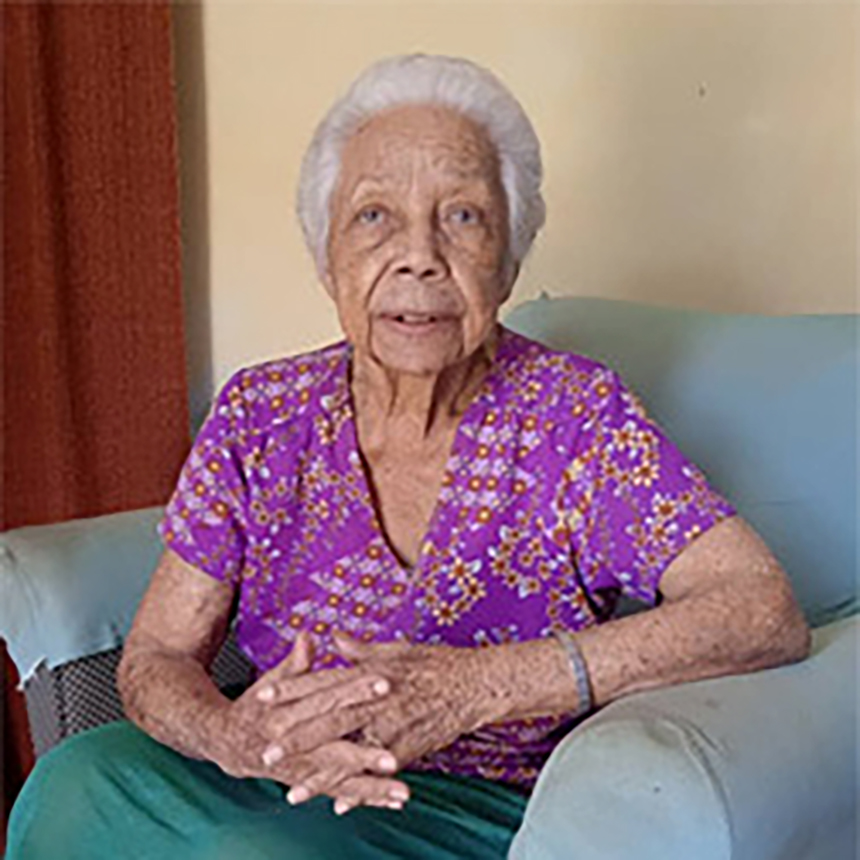
I interviewed her at her home when she was already in her eighth decade. I knocked on her door, and she came to me, somewhere between confused and curious. “How can I help you?” she asked me kindly. When I told her what I wanted, she smiled and invited me in. She, who had served so much coffee over the decades at the Oquendo Café, apologized with an “I'm sorry, sir, but I don't even have any coffee to offer you.”
- Details
- Written by Osvaldo Morfa Lima (Researcher)
- Hits: 1320
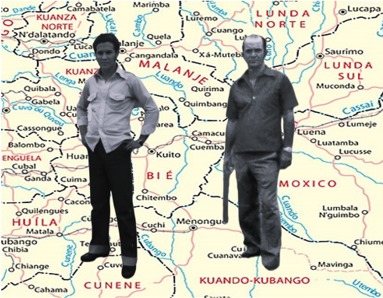
Every December 7th, Cuba honors its internationalist martyrs. 26 joins in paying tribute to those who gave their lives for the independence and sovereignty of other nations.
- Details
- Written by Leanet Escalona Ojeda / Photo: By the author
- Hits: 1058

In the early morning of October 8th, while her family waited nervously, young Maydelín Álvarez Avilés prepared to fulfill a dream she had pursued since childhood. It wasn't just any exam; it was the final test to become a driver.
- Details
- Written by Leanet Escalona Ojeda
- Hits: 1064

Patricia is twelve years old, a beautiful teenager who works hard in her studies and dreams of becoming a lawyer. Today, she lives a normal life, like any other young woman her age, but with a fear that runs through her slender body. Her days are no longer the same. One night, with the innocence that accompanies her, she received messages from a stranger who initially feigned interest in her daily life. The video calls that followed were intimidating, turning what seemed like a friendship into a complex situation.
Page 10 of 108
- You are here:
-
Home

- Features