



In a press conference held this Thursday at 10:30 AM, Yordi Vega Espinosa, director of the provincial load dispatch office of the Las Tunas Electric Company, detailed the outages that occurred during the early morning hours in the national electric power system (SEN) and the restoration process in the province.
Las Tunas, Cuba.– According to the director, the central-eastern system, from Ciego de Ávila to the easternmost part of the country, was disconnected at 6:10 AM. "Earlier, around 4:30 AM, the Antonio Guiteras Thermoelectric Power Plant had gone offline, and when the line to the eastern region was tripped, practically the entire area was affected," Vega Espinosa explained.
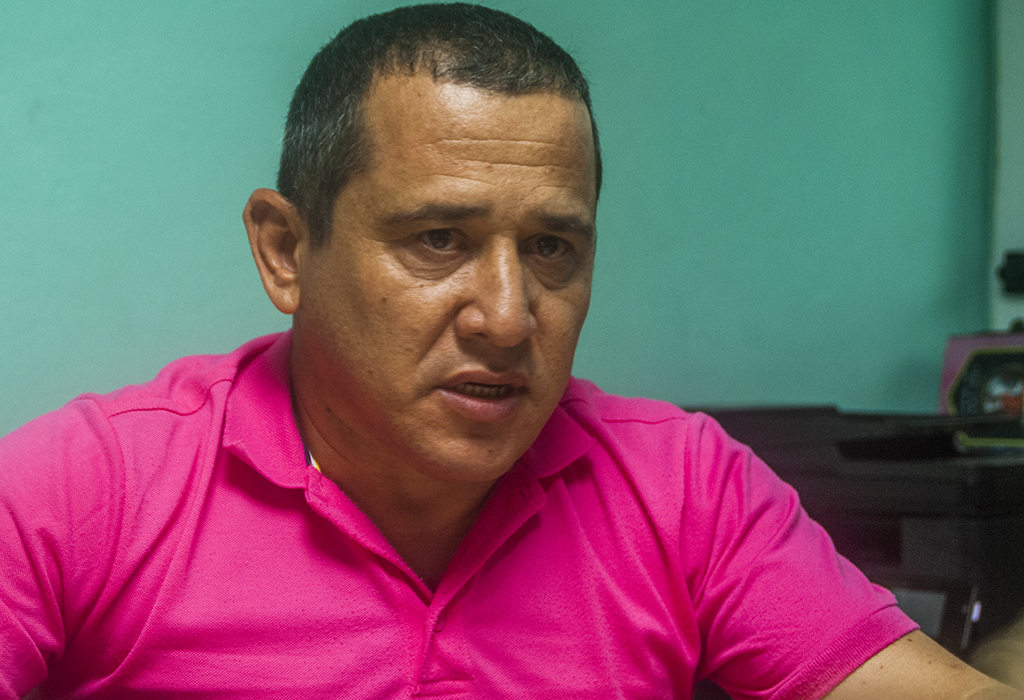 The director of the office reported that service began in Las Tunas at 9:40 AM once the system reached the local substations. "They have potential. We are supplying small loads so we can continue to the eastern provinces."
Currently, around 5 megawatts (MW) are being distributed through three substations in the province. "We are already supplying power to hospitals and essential services, such as the water supply, here in the city. As the system recovers, the load will continue to increase."
Addressing the recurring concern among the population that the southern part of the province is the last to receive electricity after a power outage, Vega Espinosa clarified that the current situation is different from other events.
"This is not the case with the previous outage, when the microsystems for that area took longer to restore power. At this time, we have the potential to supply loads, but we haven't been able to due to the system's weakness. We will begin restoring service to the southern part later," he stated.
Another topic addressed was the impossibility of using photovoltaic solar parks to power priority services during a total blackout.
"Solar parks need to be powered by electrical lines. Their inverter systems require alternating current to begin producing. An island of generators is necessary to connect them," the executive explained.
Thus, although solar generation contributes under normal conditions, its instability and dependence on an external alternating current source prevent it from being an immediate solution in the event of widespread blackouts.
In summary, Las Tunas is already connected to the National Power Grid. Attempts are underway to connect it to the rest of the eastern region, and customers in the province will have electricity service restored within the next few hours, as far as possible.
Full restoration will depend on the system's performance and the available generation capacity in the central region, which is currently the strongest.