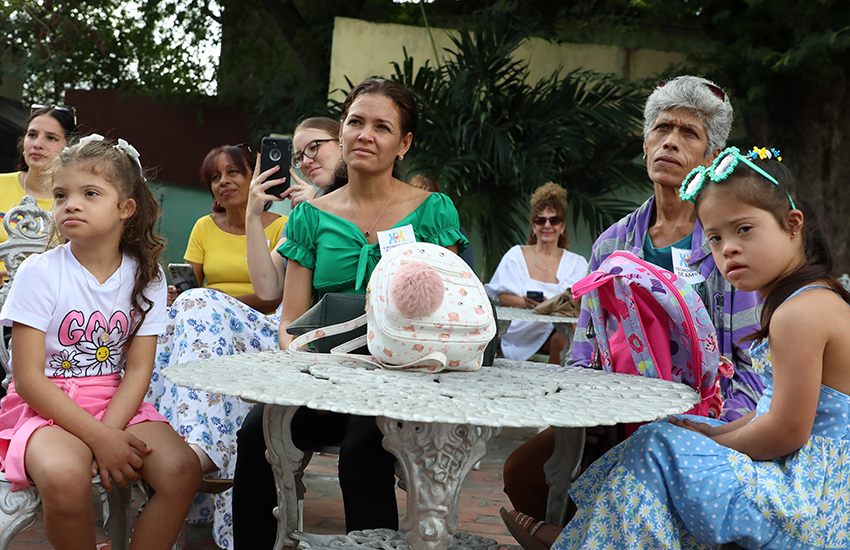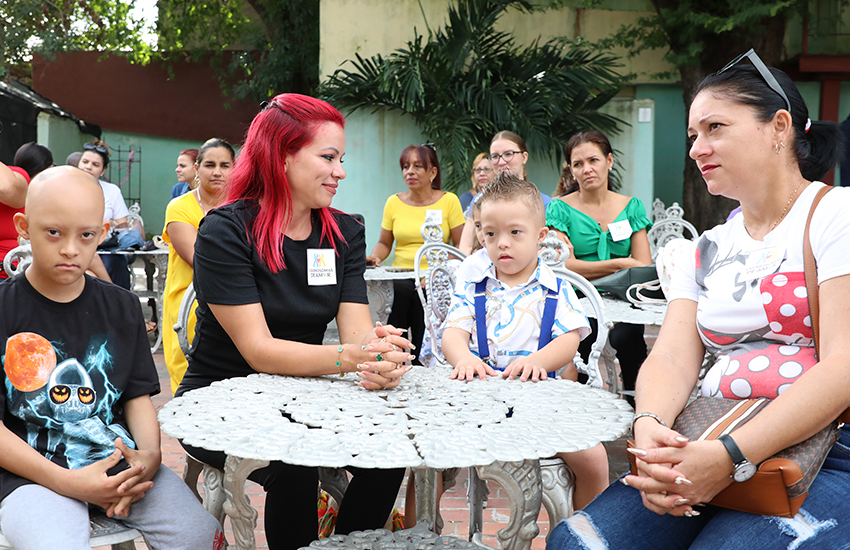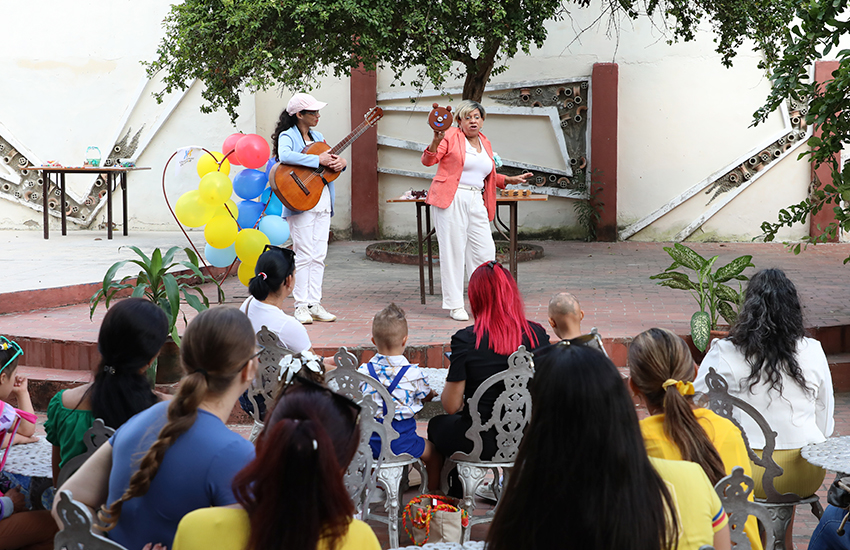


The Huellas Cultural Center, headquarters of the Las Tunas branch of the Nicolás Guillén Foundation, witnessed the first meeting of the Cromosomas de Amor project (Chromosomes of Love).
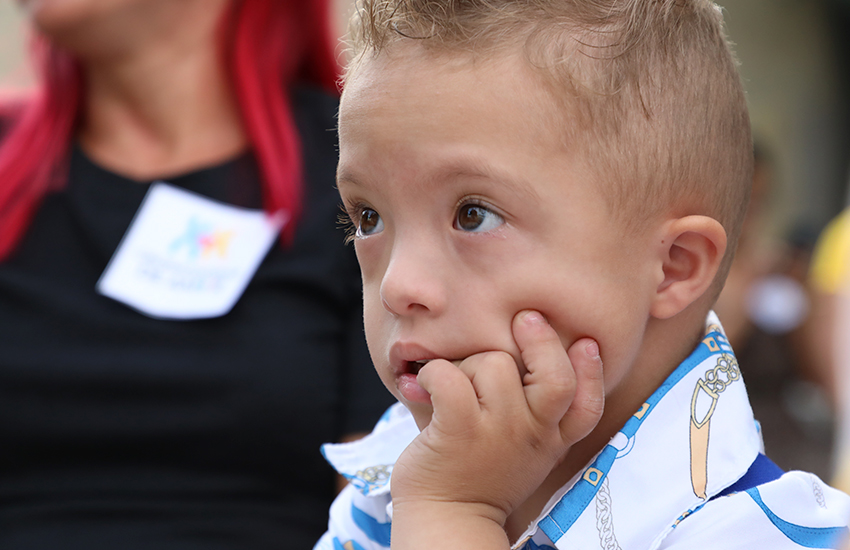
Las Tunas, Cuba.– 26 shared in the laughter of Hansel and Nachly, listened to the story told by Ana Bella, watched Alexander play with the ball, and witnessed the delight of Derick, who couldn't stay still amidst all the commotion.
They are just five of the children with Down syndrome located in the municipality of Las Tunas by the Diagnostic and Guidance Center (CDO, in Spanish), the genesis and essence of this noble project.
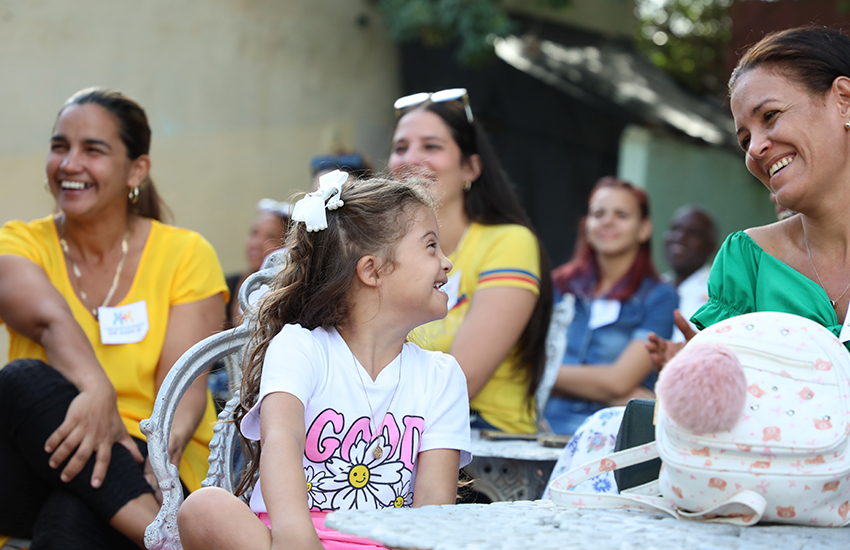
Adianez Batista Heredia, a speech therapist, is one of the coordinators of this initiative, whose team is comprised mainly of young and bold individuals. “Our goal is to achieve the maximum possible holistic development for children with Down syndrome by implementing specialized and complementary educational support resources that enable them to achieve independence in the process of social inclusion,” she explained.
She speaks with unwavering conviction because they don't have a specific budget for this dream; it was born from their hearts, and they are making it happen with the support of families, the community, and their own immense talent.
She knows that providing them with the right stimulation is fundamental to opening them up to life. “Their physical characteristics make activities like running and jumping difficult for them… So, we help them develop their potential in all areas through specific workshops.”
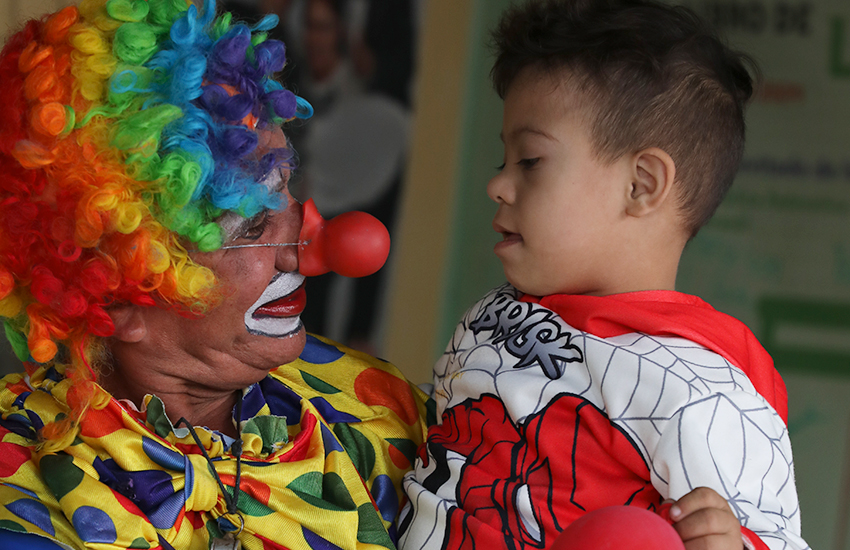
The CDOs (Centros de Diagnóstico y Orientación, or Diagnostic and Guidance Centers) are the entities in Cuba that diagnose children with special educational needs associated with any disability. They are also responsible for training teachers to work effectively with these children and help them maximize their learning.
That's why they encourage families to visit their centers and seek support. “We have identified 10 children with Down syndrome in the municipality of Las Tunas, where we began our work, and their condition ranges from mild (most) to moderate; but there must be others we don't know about yet,” the speech therapist pointed out.
“So, if readers know of any children between the ages of zero and 16, we are open to including them in this project, which could be very beneficial for all of us.”
She said this with the broad smile of people who believe all good things are possible, while the children held onto the balls, the mothers and grandmothers smiled, and the magic of play, communication, and learning unfolded.