

- Details
- Written by Dayana Menzoney Justiz
- Hits: 486

Health authorities in the province have deployed a comprehensive surveillance and control system to address the current epidemiological situation, which includes everything from active case finding in communities to international health controls.
- Details
- Written by Dayana Menzoney Justiz
- Hits: 409

Dengue type 4 is the serotype circulating in Las Tunas, a virus that, according to Dr. Yumara Acosta García, director of the Provincial Center for Hygiene, Epidemiology, and Microbiology, "is much more complex from a clinical standpoint."
- Details
- Written by Dayana Menzoney Justiz / Photo: Reynaldo López Peña
- Hits: 517
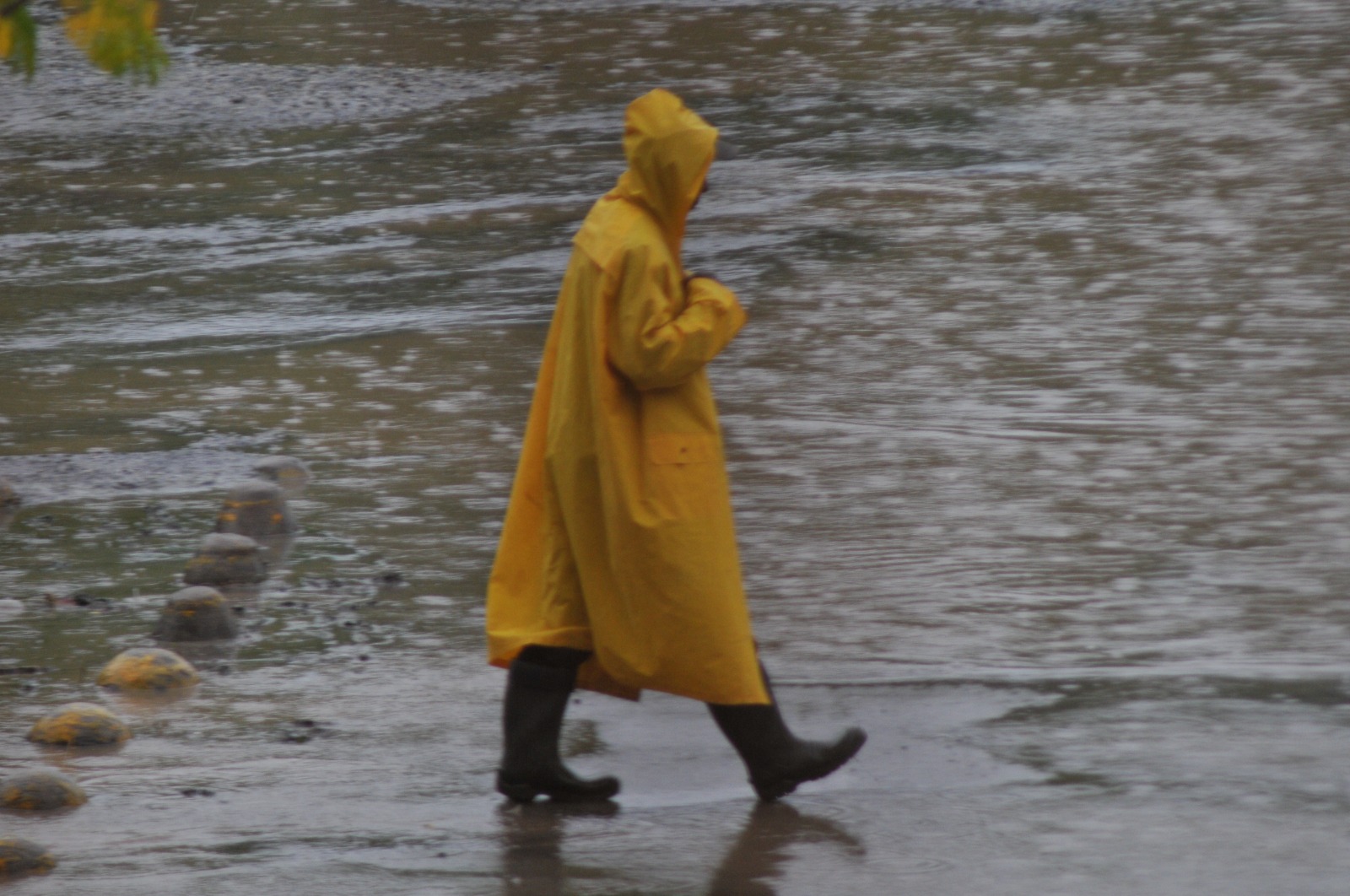
The rainy season, coinciding with rising temperatures, has put Las Tunas health authorities on alert, as these conditions are conducive to the outbreak of diseases transmitted by the Aedes aegypti mosquito.
- Details
- Written by Dayana Menzoney Justiz
- Hits: 239
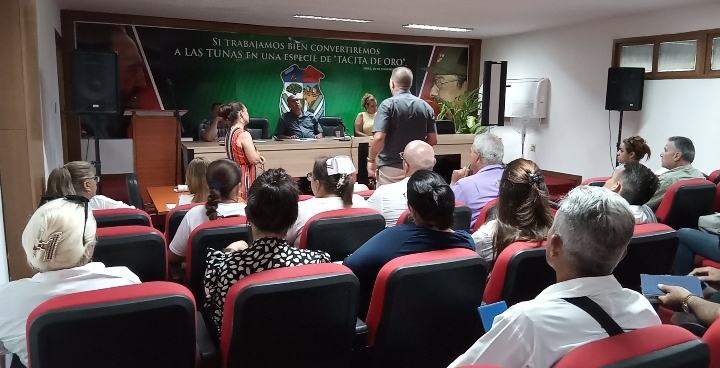
With an eye on September and October —the months with the highest incidence of diseases transmitted by the Aedes aegypti mosquito— the province’s health authorities are maintaining active epidemiological surveillance. Although the situation is stable, they are warning of environmental risks that could change that scenario.
- Details
- Written by Yaidel M. Rodríguez Castro / Photo: By the author
- Hits: 1470

With the priority of strengthening strategies for preventing adolescent pregnancy and projecting this multisectoral approach by coordinating the roles of each institution, the first exchanges of the project "Care and Prevention of Adolescent Pregnancy and Fertility in Cuba 2026-2028" were held in Jobabo.
Page 3 of 69
- You are here:
-
Home

- Health