


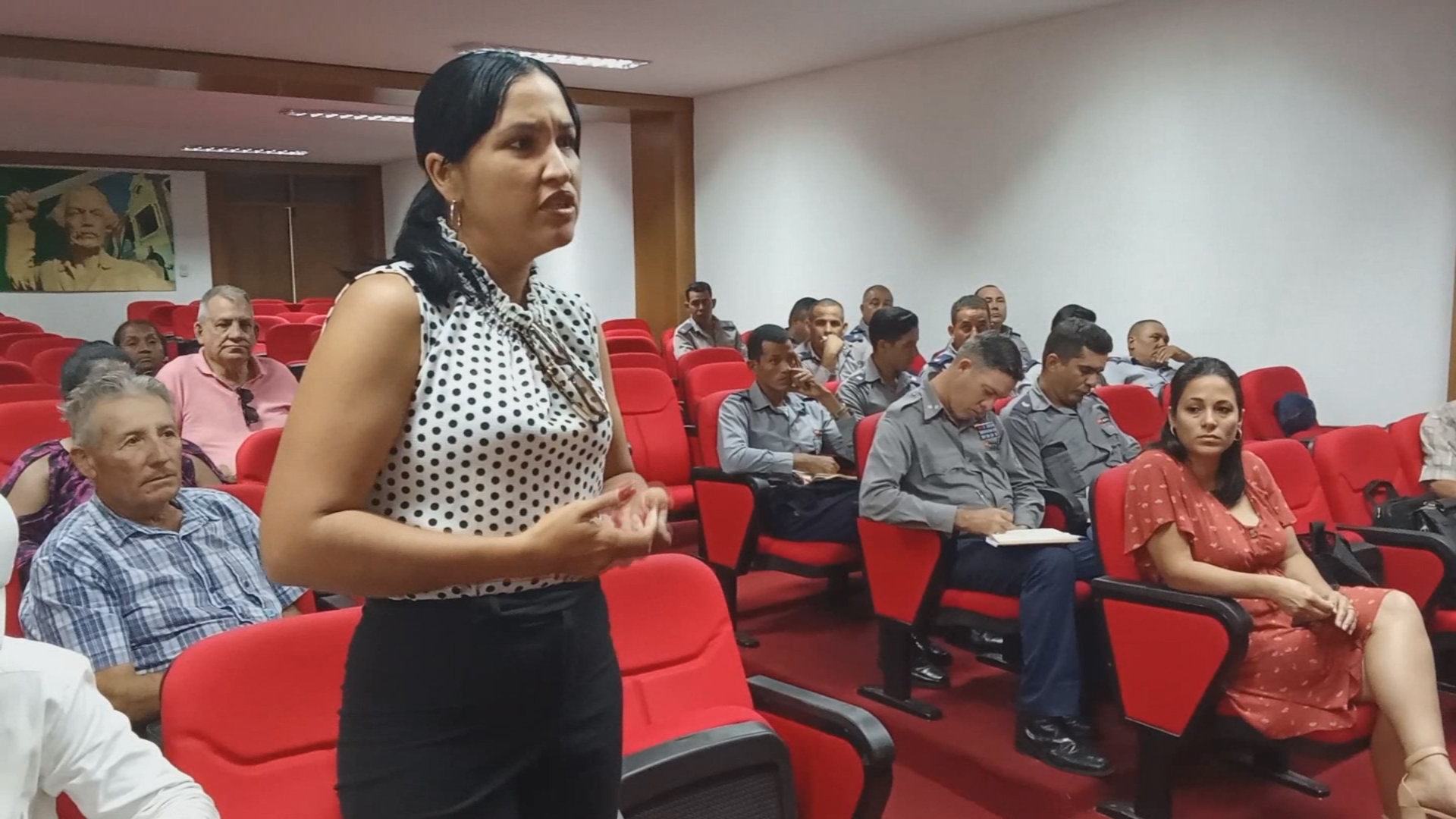
The work of the enforcement judge has proven its usefulness and necessity as an indispensable tool in implementing policies to prevent and confront criminal and antisocial acts.
Las Tunas, Cuba.– As explained by the president of the Cuba’s Supreme Popular Court, Rubén Remigio Ferro, this is a coordinated effort that has been underway for over 20 years by the courts, in conjunction with the National Revolutionary Police (PNR), the departments of the Ministry of Labor and Social Security, social and mass organizations, and other institutions that contribute to the rehabilitation of individuals who have committed crimes and are in this situation
To evaluate the work of the entities involved in this process, the Provincial Workshop on the Control, Support, and Influence on Convicts Serving Sentences in Freedom was held in the provincial capital. The meeting included reflections on the progress made and the work that remains to be done.
The report presented by Dayanai Justiz Batista, president of the Second Criminal Chamber and head of this task, demonstrated that despite the current situation in the courts, hampered by obstacles such as staff turnover, they have managed to carry out the exercises with the required standard. Proof of this was the successful verification of a large number of individuals, with special mention for the Jesús Menéndez Municipal Popular Court, where the identification and handling of the issues were particularly noteworthy.
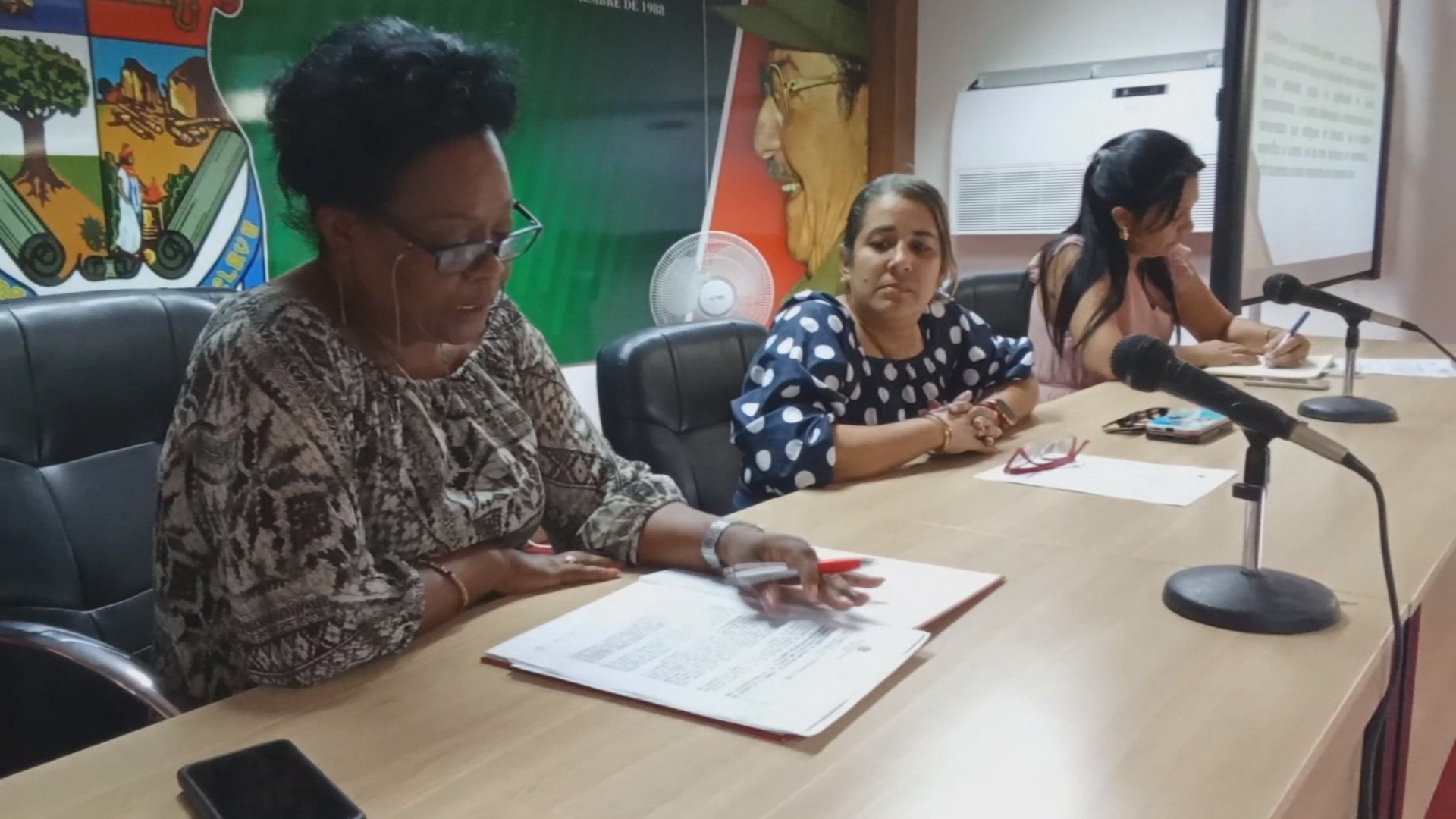
This work has allowed them to more accurately diagnose the realities of individuals, not only in their residential areas but also in their workplaces, gaining a comprehensive understanding of the challenges they face in their social reintegration.
According to the report, as of last October, 1,186 citizens were being monitored in the province. Despite these measures, violations of discipline occur, such as transferring to another municipality without court authorization, committing new crimes, and disappearing from their declared location, with their whereabouts unknown.
In 2025, in the Balcón de Oriente, 424 visits were made to workplaces, and educational workshops were held with individuals under supervision, students at various teaching levels, work collectives, teachers, social workers, and presidents of the popular councils.
The joint approach of the enforcement judge and social agencies in this area is considered an indispensable tool, a firm yet compassionate arm of a society that protects, educates, and uplifts.