


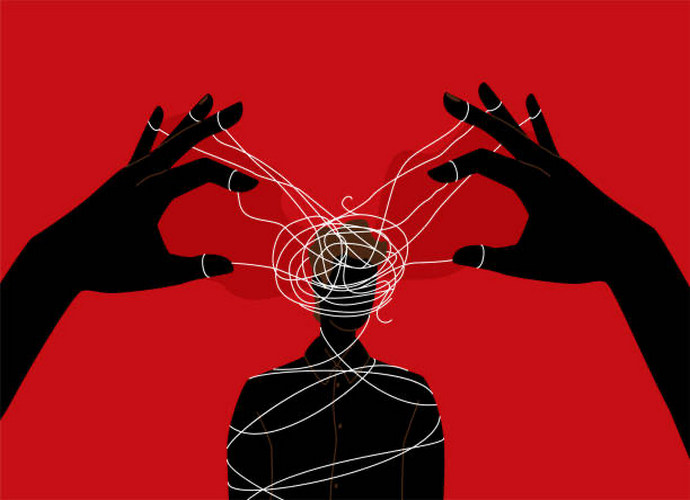
Patricia is twelve years old, a beautiful teenager who works hard in her studies and dreams of becoming a lawyer. Today, she lives a normal life, like any other young woman her age, but with a fear that runs through her slender body. Her days are no longer the same. One night, with the innocence that accompanies her, she received messages from a stranger who initially feigned interest in her daily life. The video calls that followed were intimidating, turning what seemed like a friendship into a complex situation.
Patricia tried to ignore what was happening, but the episodes became persistent. Her nights were no longer peaceful; she lost her appetite and began to isolate herself. It only took a few days for her mother to notice the change, and after a conversation with her daughter, she decided to accompany her to seek professional help.
Psychological violence permeates and shapes other forms of violence. Raidel Bejerano Balmaceda, a psychologist, explains that its effects are long-lasting and manifest themselves in the daily lives of young people and families in Cuba. With more than ten years of experience working with adolescents, he recounted that psychological violence often takes hold silently and progressively, like a daily erosion that ends up straining every aspect of a young person's life.
He described how there isn't always a single visible incident; it's usually a combination of bullying, manipulation, threats, induced isolation, and online harassment that, over time, erode self-esteem, making it fragile and distrustful. He affirmed that this violence doesn't need physical blows to leave a mark; words, repeated omissions, and control tactics are powerful enough to disrupt emotional and social development.
LEARN MORE
16 Days of Activism against Gender-Based Violence
“Psychological violence leaves scars that are often not visible to the naked eye. These scars manifest as mood disorders, anxiety, post-traumatic stress, and impaired personal development. In adolescence, these consequences are exacerbated because it is a period of transition and identity formation."
“This type of violence is one of the most damaging; it is the one that endures over time. In contrast, physical violence, which is caused by physical harm, fades over time, while psychological violence remains and shapes individuals.”
“At school, at home, and on social media, forms of aggression arise that are not always recognized as violence. The peer group acquires a leading role in the adolescent's life; group rules, pressure to fit in, and fear of rejection are factors that mold behaviors and decisions.” Adolescence is a time of many doubts; one is neither a child nor an adult, experiencing new things and wondering if they are on the right or wrong path."
Cyberbullying manifests as a constant feeling of threat, resulting in insomnia, loss of appetite, and social withdrawal. These symptoms are often misinterpreted as mere "whims" and typical adolescent changes, when in reality they are signs of profound emotional distress.
"Bullying and cyberbullying appear as frequent manifestations. Fake profiles, emotional blackmail, and the dissemination of images compromise self-esteem and well-being. The emotional response can range from sadness and isolation to suicidal thoughts or self-harm attempts."
"Early intervention can make all the difference. In the province, some professionals provide psychological support and guidance in all areas of health, although not all positions are always filled. Spaces are available where adolescents can seek guidance without needing guardians. Consultations are offered in rehabilitation centers and community mental health centers."
A gender-sensitive approach is considered essential. Understanding the different ways young people experience and perceive violence helps design more appropriate interventions. Furthermore, strengthening self-development allows them to cope with situations and seek help when needed.
“Families and schools should receive guidance to detect early warning signs. The community and mental health services must coordinate to offer accessible support pathways."
“The most important thing is the individual. Ensuring self-care and self-esteem is what allows them to move forward. When a teenager regains their sense of self, their mental health and ability to ask for help improve.”
The challenge is identifying danger and being wary of the unknown. Family involvement is crucial when it comes to social media; it's necessary to raise awareness and monitor, as not everything that arrives through these channels is healthy for children, adolescents, and young adults. Prevention requires school-based programs for teachers and family training, as well as social media campaigns. Addressing psychological violence in adolescence is an investment.