


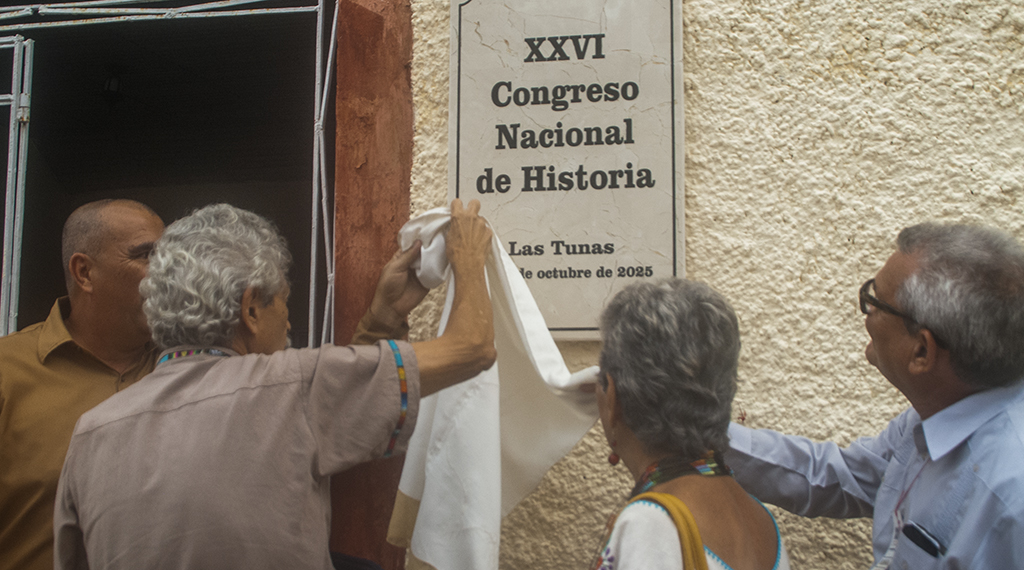
The National History Congress yesterday closed the curtain on its 26th edition, setting the bar high for Guantánamo, the province that will assume the activities of the upcoming conclave in 2027.
Las Tunas, Cuba.- This was what the delegates said minutes after unveiling the plaque on one of the walls of the provincial headquarters of the Union of Cuban Historians (UNHIC), which commemorates the successful event we have hosted.
By that time, the debates had already given way to new beginnings, and more than one participant was committed to the need for new knowledge on a wide variety of topics. Minutes later, when it was almost time to get ready for the closing gala and rain was announced with thunder, the delegates made their way to the Provincial Botanical Garden. There, they planted the first 26 trees of the Centennial Forest.
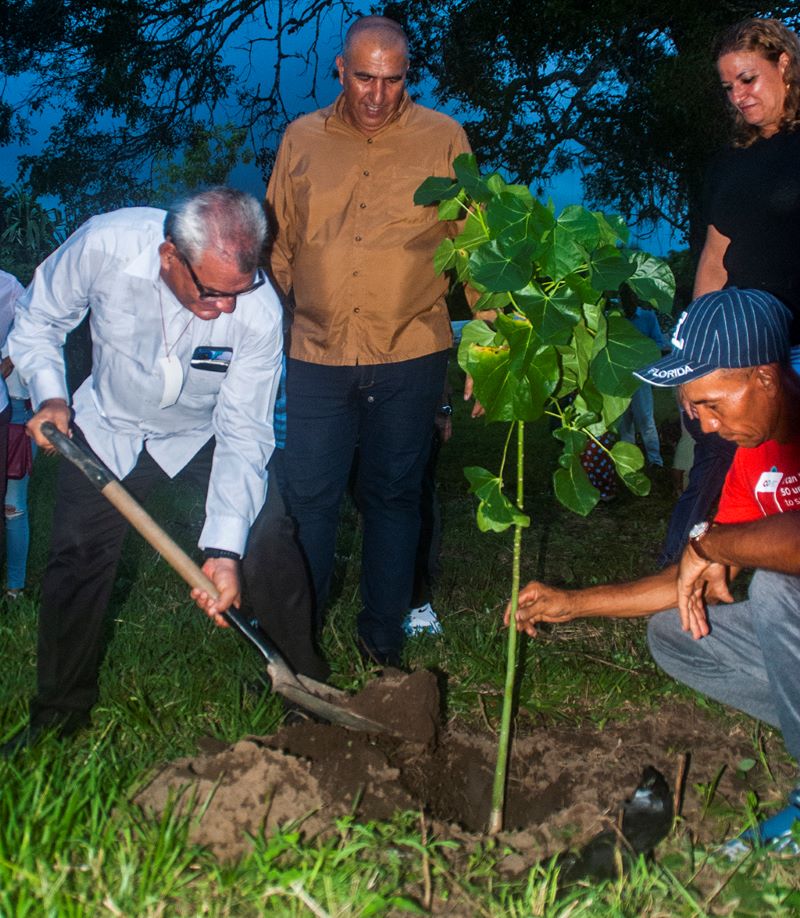 Pots were not planted randomly. Guanas, the tree that clothed Vicente García's troops in the jungle, were planted; also, a dagame and a copey, because among them it is presumed that José Martí fell in combat; mangoes, for those from Baraguá; the jagüey, like the one that provided shade for Carlos Manuel de Céspedes while his slaves were freed; and so on, each telling a piece of national history as a legend of freedom.
The work in committees in Las Tunas was intense, starting with the three central panels, which discussed Fidel, the Necessary War, and Las Tunas' historical heritage. According to Patricia García, Master of Science graduate, vice president of UNHIC at the Balcony of Eastern Cuba, such interesting presentations stood out.
The expert commented that the section's reports, which are now being prepared, lead to important issues that will define editorial policies, research paths, and regulations for future events. And she had fitting words to the fact that delegates from every Cuban province had come here; something that, in his opinion, gave preponderance to local issues in the fruitful fabric of everyone's history.
Those attending thanked Las Tunas for its flavor, the vibrancy of its communities, the intensity of the debates, and the sincerity of its inhabitants. Here, the vibrant history of the people and their desire to contribute to the national heritage have prevailed. Three days of work that summarize the course of time and the infinite desire to continue, for the good of all.