


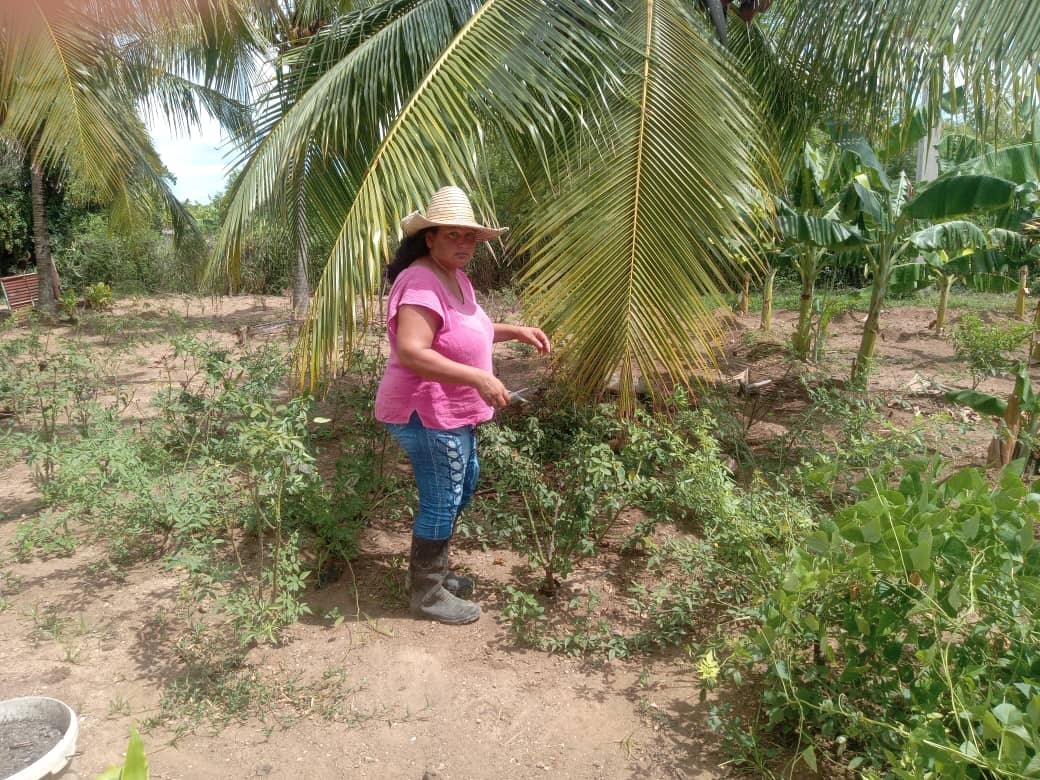
Every day, Adisleydis Buyaín Matos wakes to the urgencies and challenges, whether it's Monday or Sunday, and gets out of bed to “conquer the world,” to be useful, to try to transform her environment so that each day is more fruitful.
Puerto Padre, Las Tunas.- She is a member of the Ramón Rodríguez credit and services cooperative (CCS, in Spanish), where she has stood out for her solidarity, the quality and quantity of her production, and her support for the community, especially women.
"The farm has 25 hectares, and I dedicate part of it to flower production and beekeeping to increase that activity. Another area is designated for planting vegetables, while the rest of the land is used for animal feed plantations and pastures for grazing livestock."
 "With 63 head of cattle —including bulls, heifers, and calves— I produce milk for delivery to the dairy industry. I also raise poultry, pigs, and sheep, which I graze myself."
“We have pastures, but we also prepare areas dedicated to feeding these animals, especially sugar cane, which helps us prevent malnutrition in the young. Having these foods is the way to guarantee production even in the most difficult times of drought.”
The solidarity of this farmer, who is also a leader of the National Association of Small Farmers, knows no bounds, as some residents of the La Bomba area on the outskirts of this city are well aware, as she always contributes to community work. “I don't have much, but we collaborate with the activities carried out by the CCS and with the school children.”
On her land, Adisleydis remains active, seeking solutions to every difficulty that arises. For example, the drought has affected almost all the crops she produces. But she does not give up, and, in addition to the wells, she takes advantage of rainfall to store this vital food.
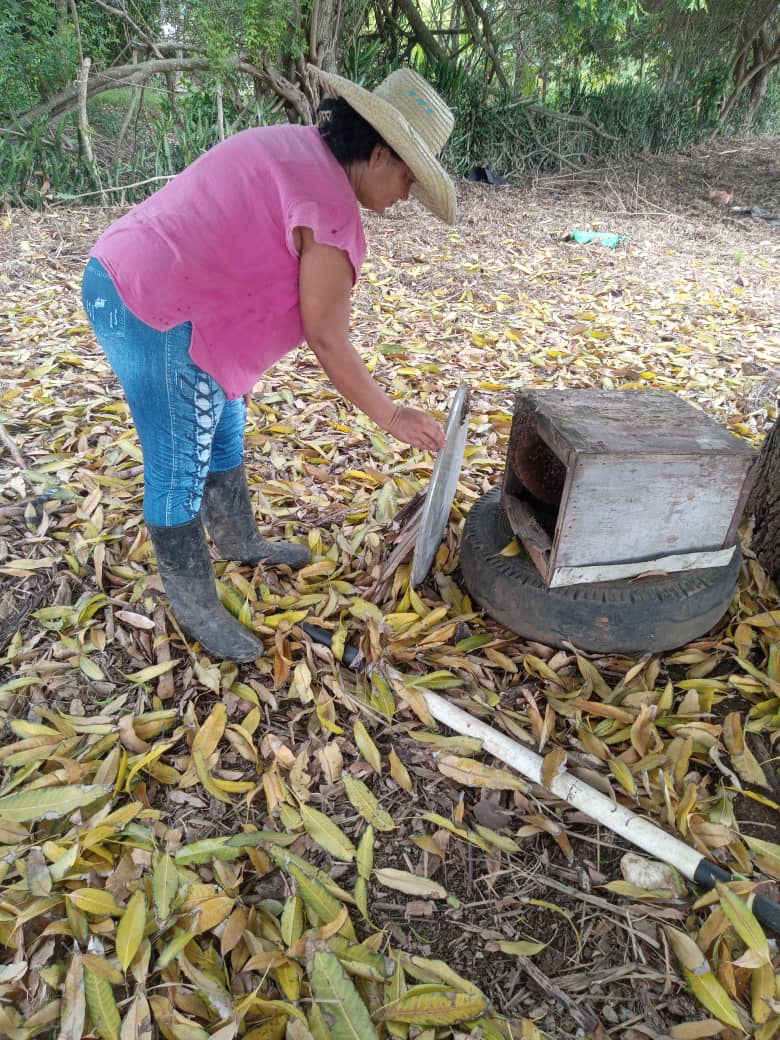
Her effort and determination to succeed are also evident in the roses she grows. To improve production indicators, it was not enough for her to water or prune at the right time. She also acquired a beehive, which helps fertilize flowers.
“I am setting up nurseries to continue increasing their planting. I deliver them to the cooperative, where they are sold. They are also used for offerings in school activities and for anyone who needs them.”
She is a leader among the women in the surrounding area and encourages their participation in paid and volunteer work on the farm. This gives her great satisfaction because they are given priority and are therefore more valuable to the community and the Revolution.
Her responsibilities as a food and flower producer began just over two years ago, and today the change is evident, giving her confidence in the future. “I like working as a producer of the land. The days are exhausting, but life in the countryside is beautiful.”