


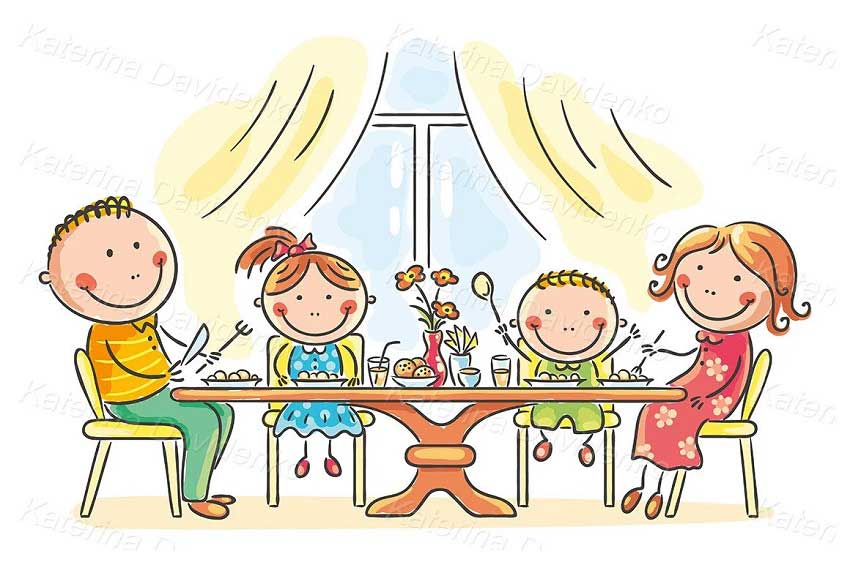
Some moments are not written down in the diary or announced aloud. They happen naturally, without warning, but leave a gentle and lasting impression. Such is the after-dinner conversation: that moment that comes after eating, when the dishes no longer matter and words take center stage.
In many Cuban families, it has been, and continues to be, a sacred ritual without protocol or etiquette. It is there that grandparents tell the same old story, but with a new spark; there, Mom laughs at something that wasn't funny yesterday, and children learn without realizing it, just by listening. There, silences speak eloquently.
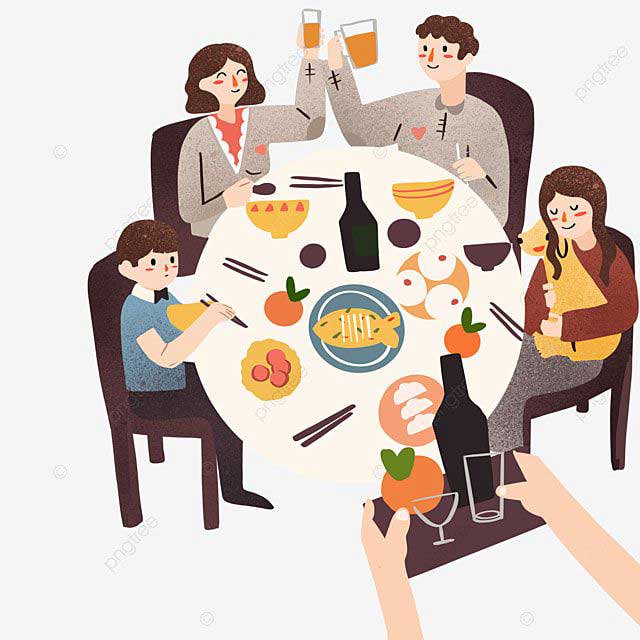 After-dinner conversation is a school and a refuge. It is conversation that does not rush, that allows for pauses, that gives space for laughter, advice, and memories. It is a chapter where the family becomes home.
Sometimes it lasts five minutes. Other times, half an hour. But it always has something magical about it. As if time decided to slow down a little and let us be, just be. In those shared minutes, memory, bonds, and identity are strengthened. Anecdotes are told, dreams are invented, those who are no longer with us are remembered, small things are planned, and the obvious is said without having to raise one's voice.
There is no need for a luxurious table or a special menu. It happens just the same over cups of filtered coffee, leftover rice and beans, or a simple piece of bread with “something” on it. What matters is not what, but with whom. And how: with affection, with attention, with the desire to stay a little longer.
Perhaps that is why we should protect the after-dinner conversation for what it is: an intangible heritage of our daily lives. A space where values, customs, and ways of seeing the world are transmitted. A simple but powerful treasure.
In these hurried times, with screens lit up and half-finished conversations, defending the after-dinner conversation is defending human warmth. It is remembering that there is time for everything, including listening to each other.
Because in the end, when the years have passed, we may not remember exactly what we ate that day. But we will remember what was said afterwards. The shared laughter. The knowing glance. Mom's voice. Dad's story. Grandpa's gaze. The smell of coffee. That also educates. That also nourishes. That also builds.
It's not in the history books, and immigration has undoubtedly dealt it more than a few blows, but we're talking about an event that is part of our most living heritage. Let's take care of it. Let's sit down without rushing. Let's turn off the noise for a while. And let's allow, once again, the important things to happen.