


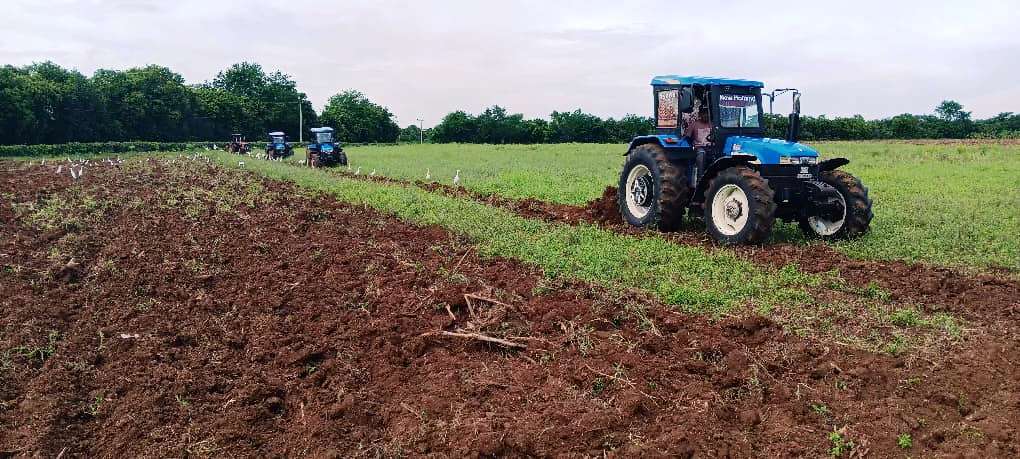
The winter planting season, which will conclude in February 2027, has begun in Las Tunas fields. The effort involves around 40,000 workers, who are sowing the hope of putting more food on the table.
Las Tunas, Cuba.- To that end, more than 25,000 hectares will be planted—a figure that exceeds the amount set for the previous campaign by nearly 2,000 hectares—demonstrating the priority that national and provincial authorities place on these crops, which are considered a strategic undertaking.
Engineer Luis Manuel Peralta Agüero, the provincial agriculture delegate, confirmed that the program includes all eight municipalities, where preparations are underway to plant root crops, vegetables, grains, and fruits.
Peralta Agüero emphasized that the teams involved aim to systematize work in the production hubs, continue planting plantains using the “extradenso” technology, and increase the use of organic matter, biological agents, and other alternatives that facilitate pest and disease control.
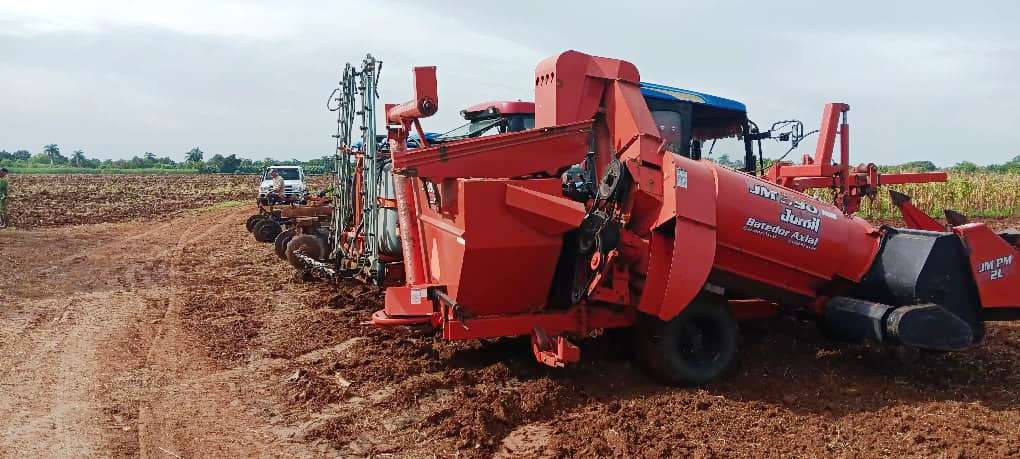
The leaders and work collectives spearheading these efforts recognize the need to achieve high population densities in planted areas, in an effort to mitigate the shortage of fertilizers while seeking higher yields. They consider it essential to exercise greater control over planting and to prioritize areas for hardy crops such as plantains, cassava, sweet potatoes, taro, and yams, to sustain and increase food production volumes in a sector battered by the intensification of the economic, commercial, and financial blockade and the restrictions on fuel imports imposed by the current U.S. administration.
During the spring planting season, the province planted 24,596 hectares —797 more than projected— a period marked by increased use of animal-drawn plows for land preparation and solar power for irrigating the plantations.