

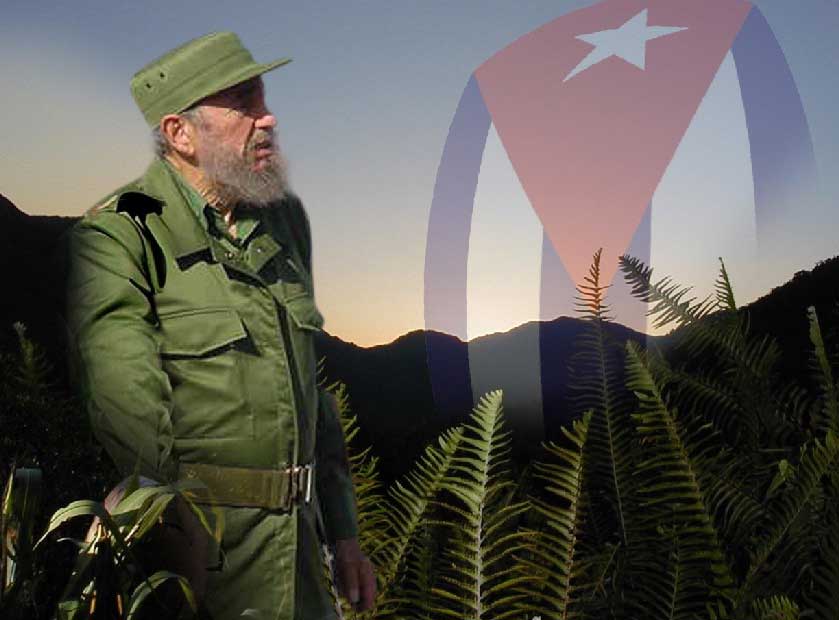
In his journey, there was no rest, no respite, no room for indifference. He was the architect of a new country, a cultivator of ideas, a statesman who transcended borders. His unmistakable voice resonated with entire generations, not for what he said, but for what he did.
An avid reader, a profound thinker, a natural strategist. With him, sovereignty ceased to be an abstract concept and became a concrete, tangible, everyday reality. Free education, universal healthcare, culture as a right, science at the service of the humble: some of his wan battles.
 Cuba was more Cuba with Fidel. And the world became more just when his voice was raised in international forums, defending silenced peoples, denouncing unjust wars, and offering doctors where others sent bombs.
Many remember that, in the toughest days, he had the habit of unexpectedly going to a place and speaking directly to the people. It wasn't a formal visit: it was a need to hear the people's concerns firsthand. Thus, several times, he surprised factory workers in the middle of the night or farmers in the middle of the day, to ask them, with his direct gaze: "What else can we do?" That closeness left a lasting impression on generations.
Another image that remains vivid is that of the man in olive green who, on the Isle of Youth, sat down with young inmates to talk about their future opportunities. He didn't speak of punishment, but of hope. He told them that he had experienced prison and that, from a cell, one can forge great dreams. More than one of them confessed later that those words changed the course of their lives.
There's also the Fidel who, amid the intense rains caused by a cyclone, waded through the mud to reach an isolated hamlet. There, soaked like everyone else, he asked about the children and pregnant women before inquiring about anything else.
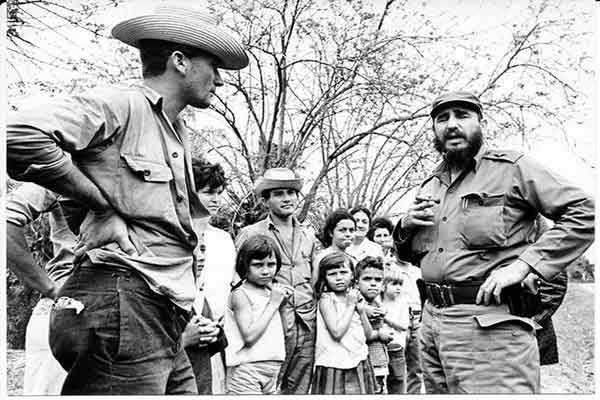
Those who shared trips and journeys with him say he had a rare ability to discover beauty in simplicity. He could pause before a sunrise in the countryside and, while pointing to the horizon, speak of the future and collective dreams. This ability to inspire through everyday life proved to be one of his most powerful tools for moving people's hearts.
His relationship with nature was part of his trademark. He enjoyed walking through fields, planting trees, and talking with farmers about how to improve their harvests. It was not unusual to see him gazing at a newly planted furrow, interested in every detail, convinced that a country's independence begins with its ability to produce food.
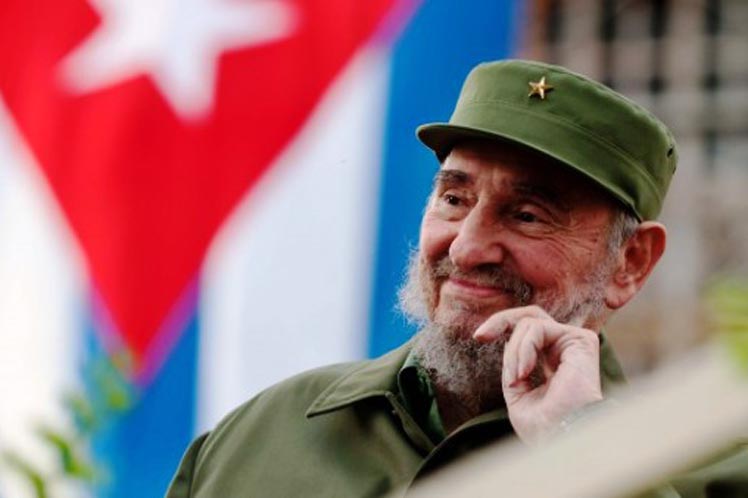
His legacy doesn't reside only in speeches and commemorative dates. He lives in revolutionary ethics, in the dignity of resisting without yielding, in the will to never abandon his dreams, even when the storms rage. That is his most urgent legacy.
Today, when the present challenges us, his thoughts offer a compass. Not out of nostalgia, but out of necessity. Because Fidel remains a beacon. It's not about repeating his words, but about bringing them to life. About building the future with the power of example.
That August 13th didn't just mark a birth. It was the beginning of an unfinished work, one that falls to all of us to continue.