

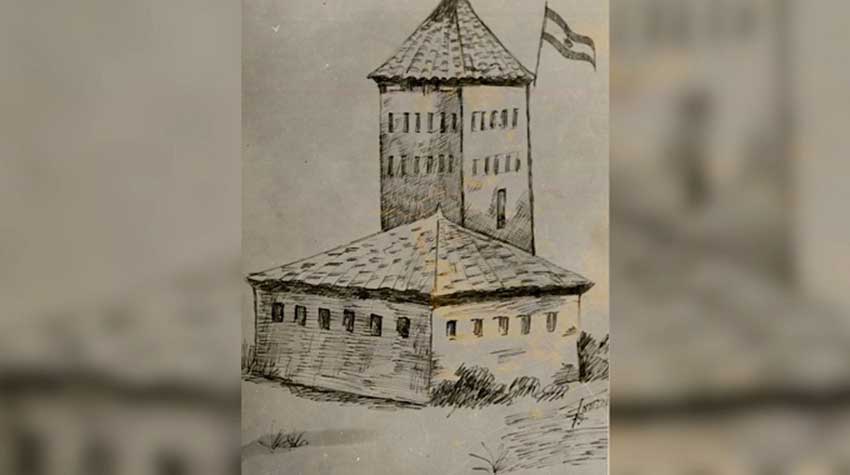
- At dawn on September 23, 1876, troops under the command of Major General Vicente García carried out the assault and capture of Victoria de Las Tunas. Information on the entire military structure of the fortress, the number of troops, the quantity and type of weapons, the disposition of the posts, and other details that allowed Vicente García to occupy the town without firing a shot was provided by a Mambi agent infiltrated into the Spanish forces.
After the defeat of the Paris Commune in 1870, which resulted in some 30,000 deaths, a group of communards managed to escape persecution by crossing the border into Spain. But in that Iberian nation, they were deported to one of its colonies: Cuba.
Las Tunas, Cuba.- The Port of Nuevitas, in Camagüey, was the landing point, but then they took different paths. Charles Philip Peissot arrived in Las Tunas, already assigned to the Spanish force to fight against the mambises, musket in hand.
But Philip Peissot did not have the stomach for that, and he joined the troops of Major General Vigente García as Agent Aristipo. It was then that he served as secretary to Spanish commander Felix Toledo Vidal, military chief of the Plaza de Armas de Victoria de Las Tunas.
From then on, the distinguished patriot from Las Tunas had all the information about what was happening in the Metropolis command, especially in September 1876, when on the 23rd the mambises assaulted the city and on the 26th set fire to the town, starting with General García's own house.
Aristipo's information played a major role in the victorious struggle of the Creoles, as before the assault, "the Lion of Santa Rita" already knew the location of the trenches, the forts, the number of armed soldiers, the artillery, and the most vulnerable points for entering the city.
The following year, Charles Philip Peissot fell in the battle of Las Mercedes, with the rank of captain, under the command of Colonel José Sacramento León Rivero.
In that confrontation, an enemy soldier identified him and subsequently cut him to pieces and scattered them throughout the Plaza de Armas.
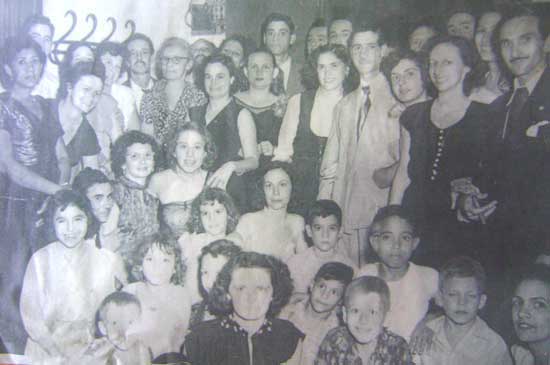 |
| The marriage of Charles Peiso and Iria Mayo produced a large family, as seen in this photo from a few decades ago. Photo: Juventud Rebelde archive |
The community leader was not only a loyal ally of the mambises, but in Victoria de Las Tunas, he married Iria Mayo Martinell, with whom he had a family.
Although less well known, Charles Philip Peissot was one of a group of foreigners who joined the mambises, including Máximo Gómez, Henry Reeve, Modesto Díaz, and Thomas Jordam, among others. (ACN)