

Behind every smile that can be coaxed out of a small child through a cultural activity, there is the inconsolable crying of a mother who, in a fraction of a second, has lost what she has spent a lifetime building.
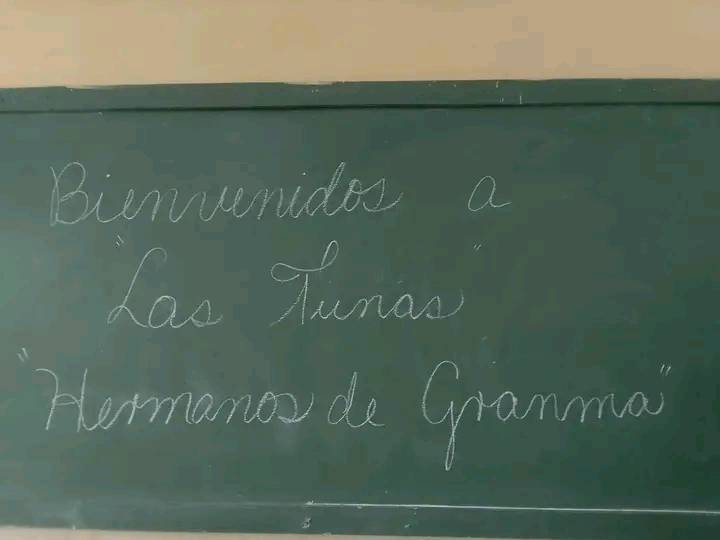
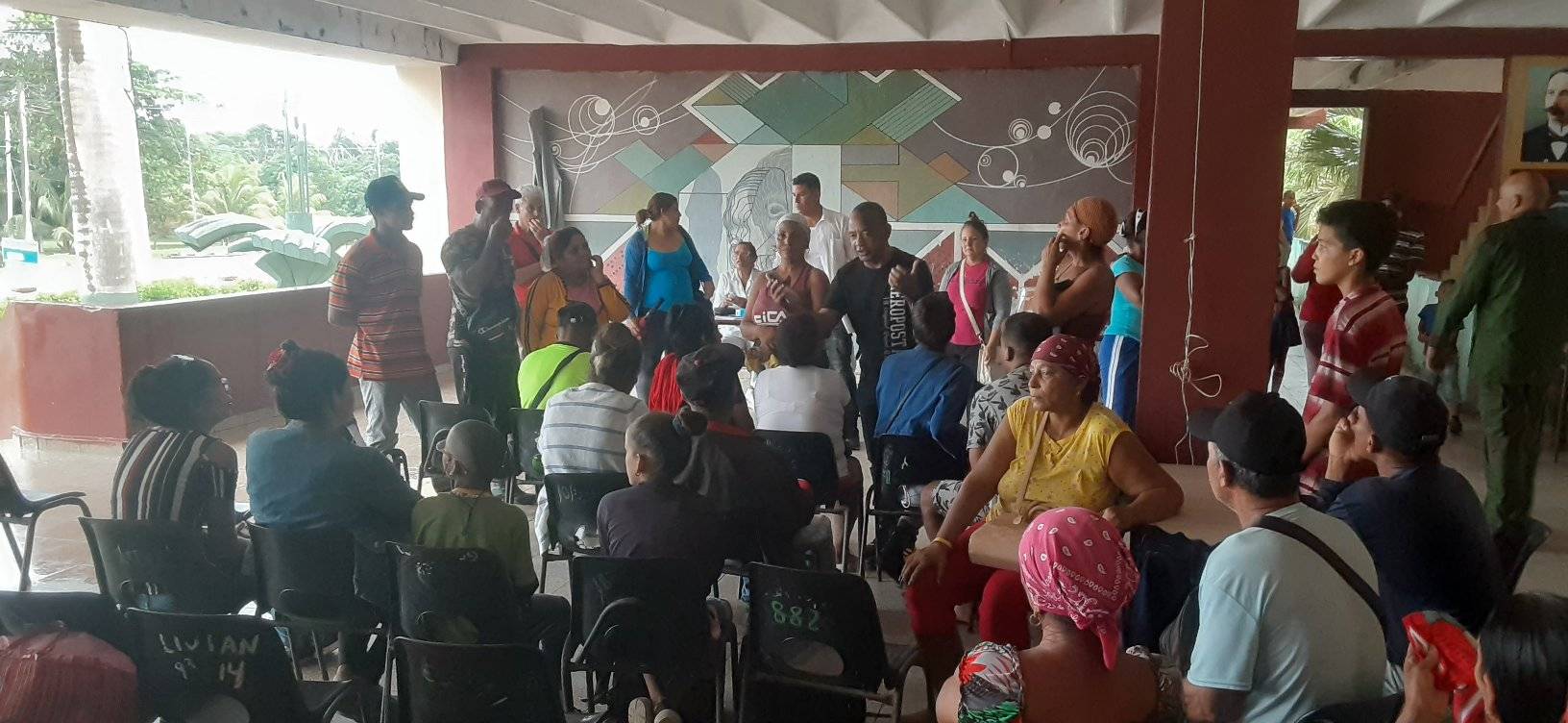
Las Tunas, Cuba.- At the Simón Bolívar mixed school, the classrooms have been turned into a makeshift shelter, where 167 people wait anxiously and attentively for news of their relatives.
Elderly people occupy the chairs, children play in the corners, and donations collected by the Cuban people are on the tables. The Cauto River continues to roar, and the bridge remains cut off. For now, the school will be both a home and a source of hope. With the strength and courage of the people, the community remains united, while the authorities and the defense council coordinate transfers and rescues.
On the morning Melissa left her mark, the river awoke like a giant that had decided to move without permission. Yailenis Silva Cedeño remembers the feeling of disbelief. The cyclone had passed and devastated other towns. Still, in Cauto Embarcadero, in the municipality of Río Cauto, there were no warnings, no calls, only the silence that comes with no signal and the uncertainty of not knowing about your loved ones.
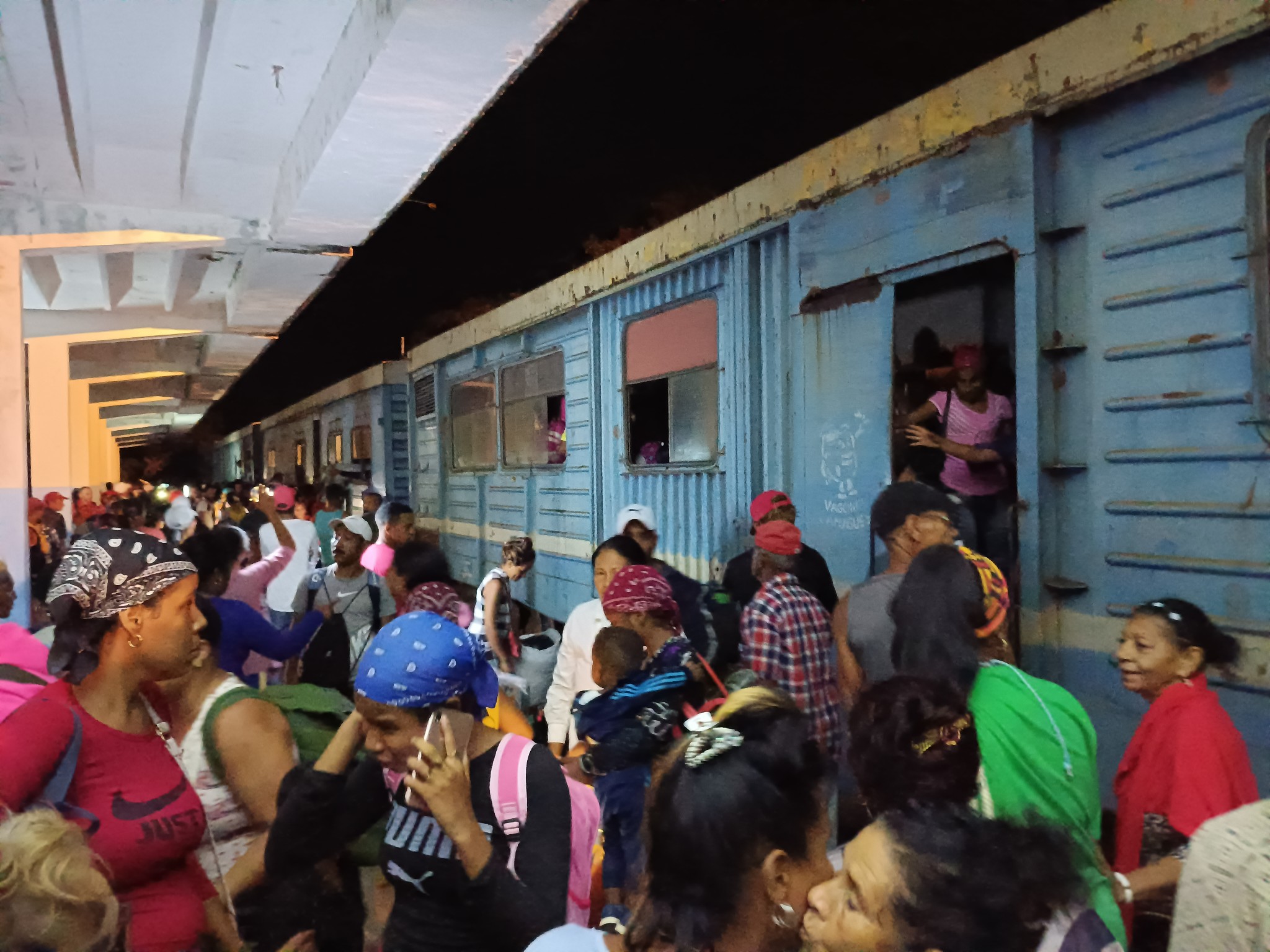
She walked from Cauto Embarcadero to Miradero, fear lodged in her chest. Walking along the road and seeing the entire town in the street, watching the water approach, was like walking through a movie in which everyone was asking the same question: What do we do? Less than an hour later, the river broke through the main road and left Yailenis with no way back to her home.
"That afternoon, the news that no one wanted to hear arrived: the houses were underwater. I lost everything, except for the clothes I was wearing at that time. One of my three girls stayed with me, and the other two were on the other side of the river. Thanks to a neighboring family, they were rescued and taken to the second floor."
“I don't want to remember that day. We had never experienced anything like it before. It left us empty-handed, taking away the little house we had worked so hard to build over the years.”
Her husband managed to cross to the opposite bank, but there was no comfort there either, with houses covered in water, families on slabs, and the feeling that the earth had been turned upside down. It was the community that bravely helped each other.
"The lack of communication weighs heavily. The Cauto River bridge is still out of commission, the phones have no signal, and thousands of families are experiencing the same agony of not knowing. Their possessions were washed away with the water, and life, for now, requires them to start from scratch."
At school, Yailenis finds something akin to a hug and is eternally grateful to the community of Las Tunas. "The welcome has been gratifying. The people in charge of the institution welcomed us with great love, and that allowed us to smile for a moment.
“I want my country to find the strength to rescue all those people who need it so much today. It's difficult, yes, but now more than ever I am grateful that my family is healthy, and that's what matters.”
For Yailenis, what she is most grateful for today is that her family is alive and together. Outside, the river continues to remind us of its power. At the same time, inside, stories of loss are being woven that will also be stories of resilience, because behind the flooded houses, hands are helping and supporting each other to rebuild what the water tried to take away.