


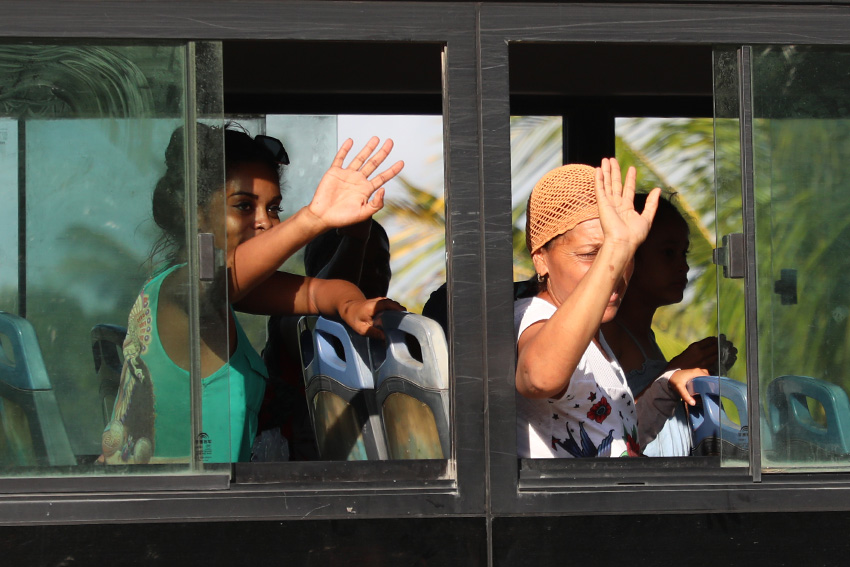
Faced with extensive flooding caused by the rains associated with Hurricane Melissa, which struck the eastern provinces, the defense councils of Las Tunas and Granma implemented a plan to protect the families in the Cauto River basin.
The first response materialized in the municipality of Jobabo, south of Las Tunas, where 1,360 people from the communities of Guamo, Miradero, and Vado del Yeso were initially received aboard trains adapted for evacuation.
The first shelter was the Manifiesto de Montecristi Polytechnic School, which became their first temporary home. The outpouring of support soon overwhelmed the formal protection centers.
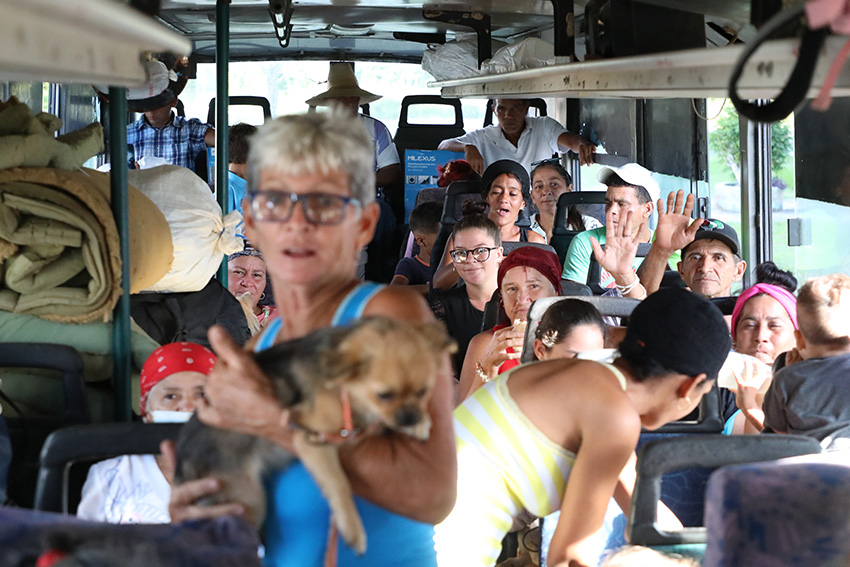
“From there, at the request of the residents, it was decided to house them in family homes in Jobabo and the provincial capital. This spontaneous gesture from the local population was the first act of the wave of support that would characterize the emergency response,” reported Juana Yamilka Viñals Suárez, president of the provincial commission for population protection.
As the number of evacuees grew, exceeding initial projections, it became necessary to expand the protection network; it was decided to relocate groups of families to the municipalities of “Colombia” and the provincial capital.
"Currently, we have seven active protection centers: two in Jobabo, one in Colombia, and four in Las Tunas, sheltering more than 3,500 people. Many others continue to be hosted by families in Las Tunas," Viñals Suárez noted.
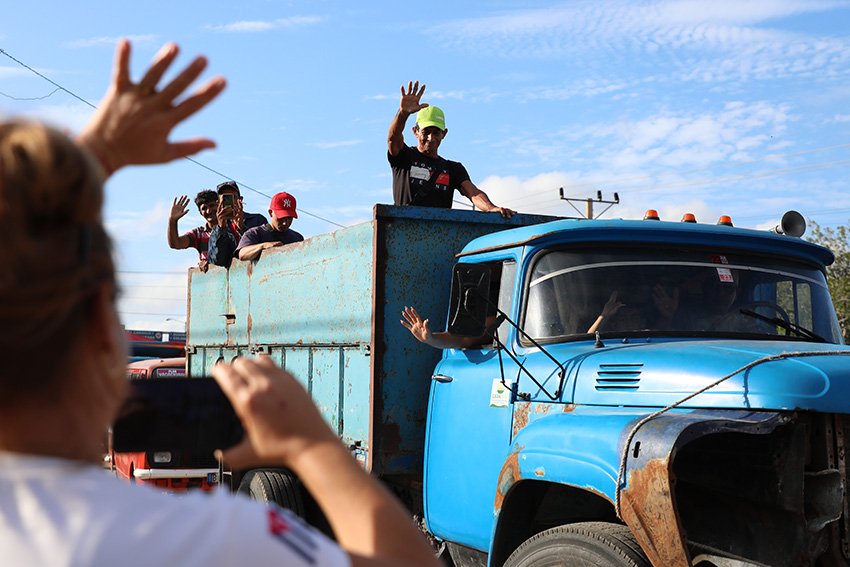
To guarantee the well-being of these people, a person in charge was appointed at each center. “A team comprised of officials from Health, Education, Culture, Sports, and social work has been working intensively to prioritize their care, and specifically, the most vulnerable,” she explained.
The program of activities has been key to lifting their spirits and providing them with psychological support. The Culture and Sports Department ensured their participation in various activities, which offered them solace after losing almost everything.
RETURN HOME
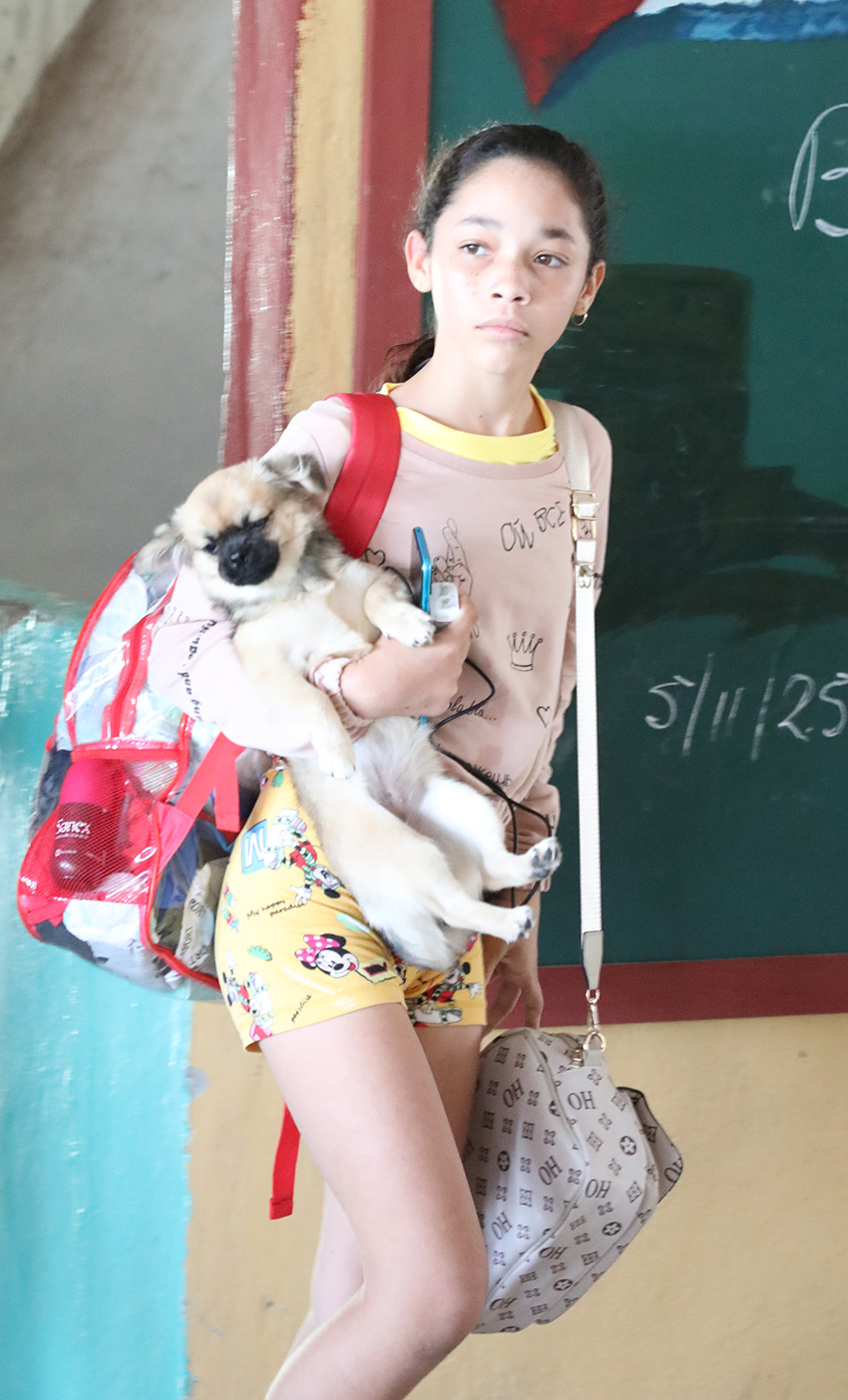 A total of 162 people who were at the Simón Bolívar mixed center, 45 from the Rita Longa Pedagogical School, and 85 from the Carlos Leyva González Sports Initiation School (EIDE) were transferred to their homes, in an orderly and gradual process that prioritized areas with better conditions.
The mobilization is being carried out under joint directives from the defense councils of Las Tunas and Granma. Furthermore, she explained, priority has been given to returning people whose homes are located in the area along the highway, which now has the minimum necessary conditions for residents to begin organizing and reintegrating.
The president of the provincial commission for population protection also referred to specific cases that will remain temporarily in evacuation centers. "We have left some people here, such as two families whose children are hospitalized at the Provincial Pediatric Hospital, and will remain in Las Tunas until the children's health improves. Likewise, two families will stay to accompany their daughters, celebrating their fifteenth birthdays."
Regarding the community of Guamo, the hardest hit by the floods, Viñals Suárez indicated that a specific strategy is being evaluated.
"We are considering initially relocating the men so they can assess the condition of their homes, and later the other part of the population, that is, women, the elderly, and children."
THE VOICE OF THE EVACUATED
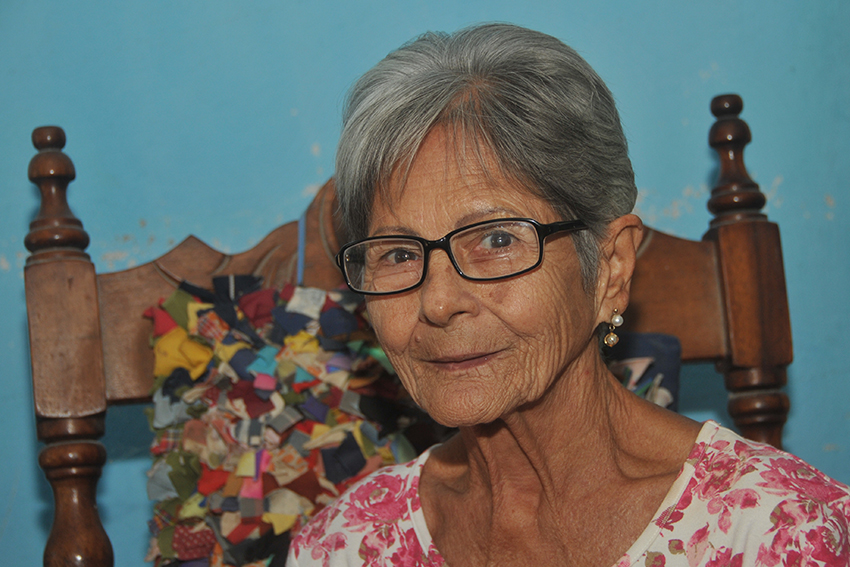 Among those being sheltered, the predominant feeling is gratitude. Rosmeri Arias Ginarte, from the El Miradero community, shared her experience.
"I feel happy and grateful." We arrived around this same time, two days without bathing, without eating; we arrived dehydrated. Being here, we have no words to express what it means to us, our gratitude. They gave us food, they saved us.”
The solidarity of the people of Las Tunas touched Rosmeri especially when, during her stay in this eastern region, her daughter turned fifteen. “As much as I would have liked to do for her, I never imagined that my girl would have her fifteenth birthday the way she did here. Grateful, I am grateful, that’s the word.”
THE PEOPLE, THE TRUE PROTAGONISTS
Beyond the institutions, the people of Las Tunas have been the true protagonists of this story of brotherhood. “There have been many displays of solidarity from our people. They have come forward to offer not what they have in excess, but what they have, because these people truly need that help,” says Juana Yamilka.
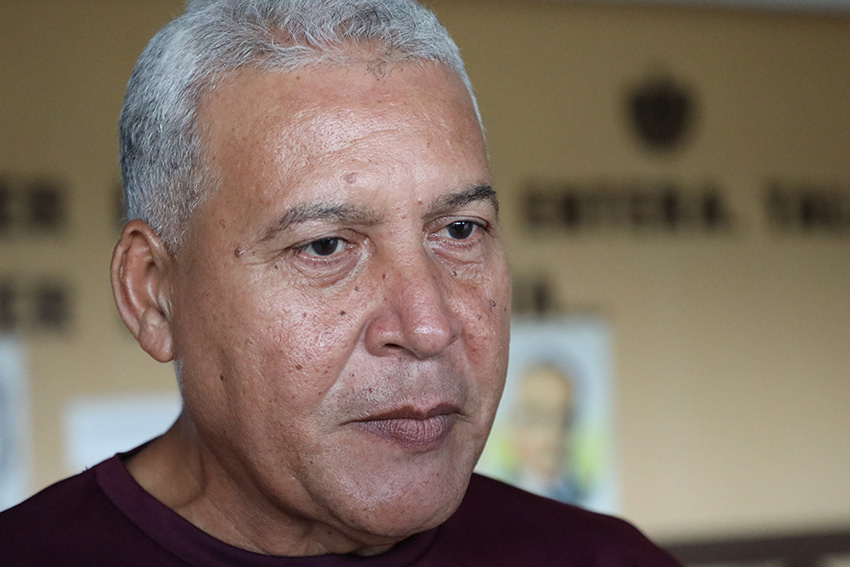 The wave of support came from everywhere. Feliberto Jiménez Fernández, who lives in the México neighborhood in the provincial capital, recounts how his community rallied in a spontaneous donation drive.
“I was one of those who joined in. I say ‘we’ because the entire neighborhood rallied around my house with the initiative; it was simply a matter of saying… ‘Let’s donate to the people of Granma!’”
While the mission to return them home continues, the stories of collaboration between the two provinces speak of unity and recovery.
The painful reality of those who watched the water sweep away their belongings is counterbalanced by the dignity with which they have faced adversity and the warmth with which they have been rallied around.