


Manu is tall and lanky. He looks older than he is, even though he's no more than four. He's insatiable when it comes to playing. He organizes his mountain of toys with incredible precision, from largest to smallest, in an endless line that stretches from the living room door to a precise spot in the hallway. He always ends up in the same place.
While he's engrossed in his daily task, "Manu is no trouble." He spends hours building this imaginary highway, which also includes plastic animals and a set of fruits his aunt gave him. Nothing is left out. The problem starts when someone touches one of his toys or, later, at night, when it's time to tidy up.
At first, his mother didn't think much of this daily occurrence. The family quickly assumed that, being an only child, he didn't know how to share and hadn't had time to socialize with other children. They decided to invite a neighbor girl, a few years older, to join Manu's playtime, and the result was alarming. Manu erupted in such a long tantrum that he vomited.
In the following days, he was on high alert. He wouldn't accept any other playmate. His sleep disturbance worsened considerably, and he spent all his time awake, his eyes fixed on the row of toys. He refused to get up from the floor under any circumstances. Not even to eat, drink water, or go to the bathroom… “Things started to get complicated.”
Speaking very softly so the child wouldn't hear, his mother, still reluctant to discuss names, recorders, and cameras, tells me that she spent months in denial. She couldn't accept that her only child, so young, had been diagnosed with autism spectrum disorder (ASD).

“I went to another province seeking a second opinion. We consulted psychiatrists, psychologists, and neurologists. Sometimes we felt more hopeful, but little by little we became aware of patterns in Manu's behavior that we hadn't even noticed before.”
“He is indeed an affectionate child who hugs and kisses you. But he doesn't answer your questions, and he doesn't look at you when you call him. He always repeats the same words, especially when he's euphoric or upset. Most of the time he's wonderful, but mood changes overwhelm him, and once he starts crying, he can cry for more than an hour until he ends up vomiting.”
“Accepting the diagnosis was very important. It forced us to change as a family so we could help him. We haven't stopped inviting other children over, quite the opposite. He now lets them touch some toys, move them around, but as soon as they leave, he puts everything back in its place. I laugh a lot at his antics. It's like he's an old soul in that little body.”
“This is difficult, I have to be clear. Many people came to my house to tell me how I should act. They even suggested I should have him blessed, that I would be strict or more flexible, that I shouldn't make such a big deal out of it because I was going to go crazy, that I was exaggerating… and so on. I wouldn't wish it on anyone, but I've done what the specialists advised and what I believe is best for my child.”
“People need to understand that every child is different. The sooner you accept this, the better for the child and the family, because problems don't disappear if you ignore or hide them. I'm very happy with Manu; my fear is out there, in this brutal society that isn't prepared for his unique needs.”
EARLY WARNINGS
 Receiving an ASD diagnosis always presents families with countless dilemmas. But specialists emphasize the importance of early intervention, and although this condition is irreversible, children with autism often progress favorably and improve their communication skills and social interaction.
Seeking medical help is vital because other conditions can present similar symptoms, such as language disorders, attention deficit hyperactivity disorder (ADHD), or even hearing loss. A comprehensive evaluation is essential for an accurate diagnosis.
The motto for autism is: “The Sooner, the Better.” Parents are usually the first to notice “something that doesn't fit,” even if they can't define what it is. It's important to follow that instinct that “this isn't normal.” Right now, in this turbulent world, find your bearings. Go to the doctor's office, see your pediatrician, but you can always go to the Psychiatry Department at the Mártires de Las Tunas Pediatric Hospital. There are excellent specialists there.
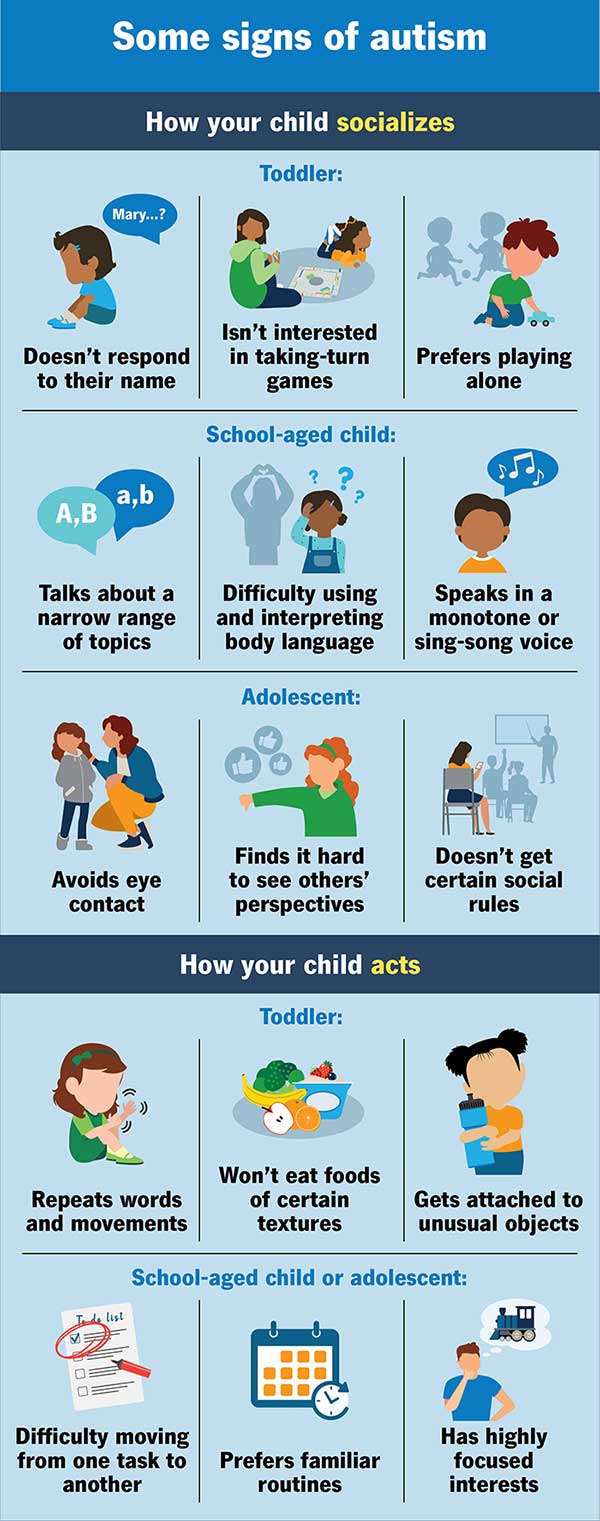
Recent studies clarify that no child exhibits all the signs, and the presence of one or two does not confirm a diagnosis of ASD. But the family needs to be aware of the behaviors organized by developmental areas so they can understand when to seek help. Early care guarantees a better quality of life.