

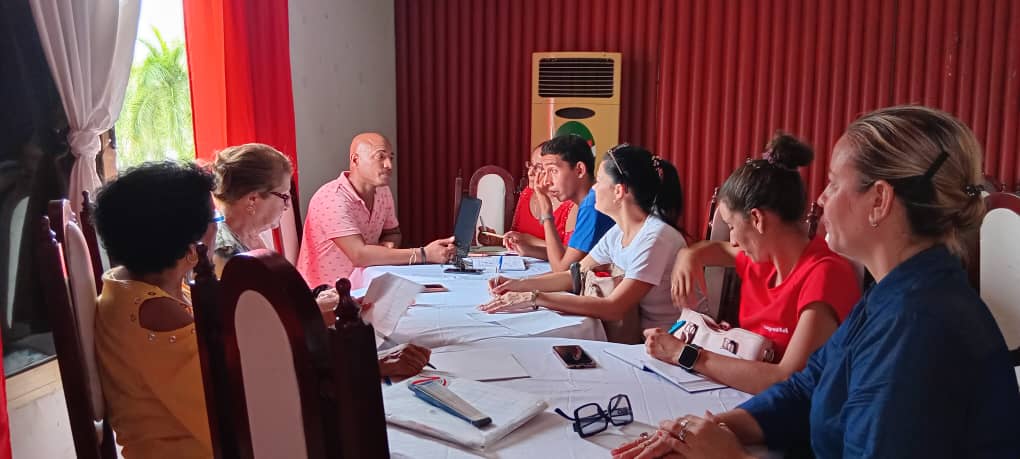
A network of “Youth for Life” is traveling to schools in Las Tunas to show adolescents and young people aged 12 to 18 and 19 to 29 five fundamental issues that affect society: teenage pregnancy, sexual and reproductive health, addiction, violence, and sexually transmitted diseases.
Las Tunas, Cuba.- Raydel Bejerano Balmaseda, a first-degree specialist in psychology and coordinator of this project, explains that this initiative is not new; it began several years ago and has spread throughout Cuba.
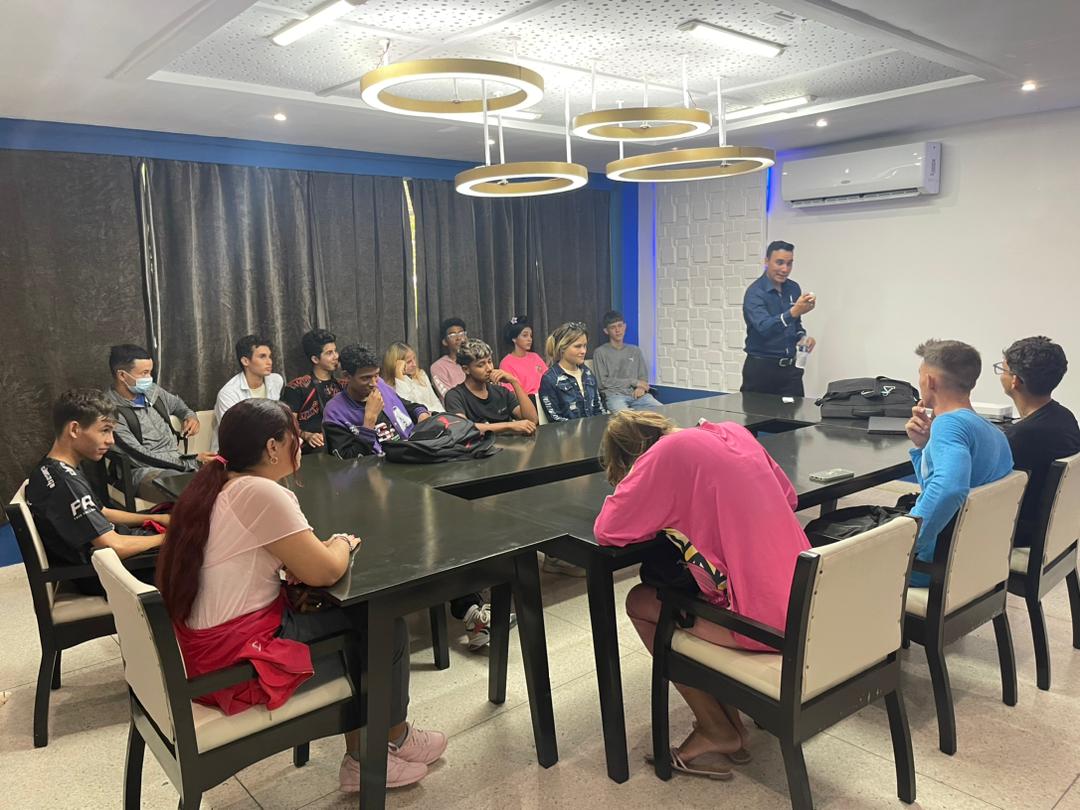
“We carry out different activities in educational centers, training health promoters, with the support of students at the Vocational Pre-University Institute of Exact Sciences, the Rita Longa Pedagogical School, and the Provincial Directorate of Education.”
The specialist explains the importance of interacting with these age groups because they are at greater risk due to their level of psychological development and their need to integrate into their social group.
During Drug Abuse Prevention Week, we reached out to this network of young people and spoke with their specialists, including Dr. Alejandro Mestre Barroso, a toxicology specialist at Guevara Hospital and a member of the project's methodology team.
Although Mestre Barroso has explained in various settings how harmful drug abuse is, he refers to the need to reach the youngest members of society: “This is where the network plays a fundamental role, because we seek to provide them with the necessary tools so that, through their language and behavior, they can eradicate health problems ranging from teenage pregnancy to addiction.”
The country is at an unprecedented moment in terms of the use of these harmful substances by young people, and although some time ago we spoke of a plateau and that early detection in the province was showing encouraging results, the number of patients and family members who come to health services seeking help continues to be alarming.
“We explain to these young people about the synthetic drugs circulating on the streets and all the types of adulterants they contain, such as carbamazepine, lime, formaldehyde, tramadol... which make them extremely addictive and at the same time more harmful than traditional marijuana. This complicates our work in trying to get these young people out of their addiction.”
ALARMS SOUNDING
It is worrying to hear the stories of patients in the process of withdrawal who started using drugs at the age of 13. First, it was cigarettes, then they moved on to marijuana, but the effects were insufficient, so they started taking pills, until someone, by chance—another user—told them about the chemical or the “little paper,” and then they sought more.
The toxicology specialist warns us about this addictive sequence. It seems like science fiction, but it is real. "From the age of 10, our children are starting to become addicted, first to a cigarette, which is the gateway to drug use. Next comes alcohol consumption. Here we must bear in mind that the younger the age of onset, the greater the damage to the body and the faster they can become addicted."
"That is why experts have determined that the best slogan on consumption issues, especially in adolescence, is ‘better not to start,’ because with just one use of these substances, they can become totally hooked."
“Health promoters play a key role. In this network, we have 14-year-olds who are already participating in talks. We have nursing and medical students, as well as pre-university students, who fulfill this role by contributing their own knowledge, added to what they are learning here, and sowing the seed of the damage that can be caused if they do it.”
Individuals, the community, and adolescents need to know that they have places to turn to for help when they have a family member or friend who is addicted.
“One of our greatest strengths is the family doctor, who is the first person we can turn to for help, because they are the ones who know the patient's environment."
"We also have a network of mental health groups in all areas of the province, where there are specialists in child and adolescent psychiatry, psychologists, and psychiatrists for adults who are trained to deal with this process of addiction."
“The addiction service at the Clodomira Acosta Provincial Psychiatric Hospital, located in the main municipality, as well as the Toxicology consultation at the 'Guevara' hospital, which assesses the organic effects that the drug has had on the body."
“We also have the 103 Helpline, which not only focuses on addiction but also on issues of gender violence and can provide guidance to anyone who comes to it in search of support. It is anonymous and confidential,” concluded Mestre Barroso.
Experts warn, health promoters give talks, and it is up to families to keep an eye on their children. Early ages are the most concerning because drug use itself can cause health problems, psychiatric disorders, suicidal tendencies, and accidents.
People who use drugs will inevitably end up in prison, due to the need to buy them, which can lead to committing a crime or death.