

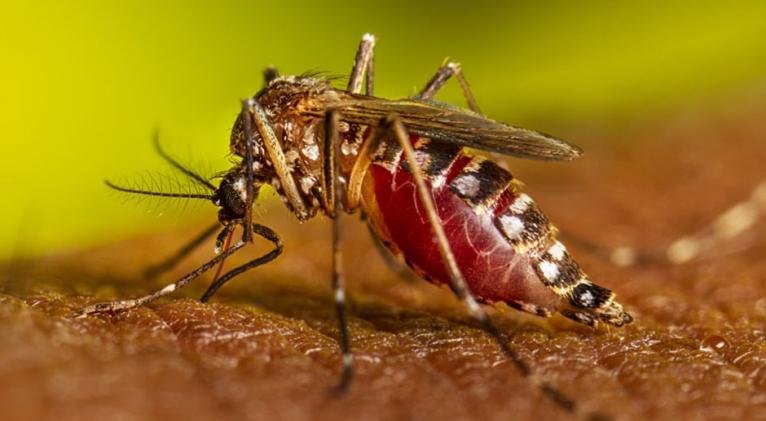
The public health intervention strategy being implemented by the Public Health sector in Las Tunas combines various treatments and procedures within communities to reduce Aedes aegypti mosquito infection rates. The most intensive efforts are focused on areas with the most complex epidemiological situation.
Las Tunas, Cuba.– Dr. Yumara Acosta García, acting Director General of Health, explained to local radio that the most important thing right now is to recognize the symptoms and signs of Chikungunya and seek medical attention to avoid complications.
The director emphasized that several people from vulnerable groups require hospitalization due to their comorbidities. She called for special care for children under one year old, pregnant women, the elderly, and people with chronic illnesses.
Acosta García explained that healthcare services are currently being reorganized, and active case finding is underway in communities as part of early interventions in health areas to strengthen comprehensive family care.
She also noted that citizen commitment and responsibility are required to curb the spread of respiratory viruses. She said that more than 70 percent of mosquito foci are located inside homes, making it necessary to conduct self-inspections and destroy mosquito breeding sites, keeping in mind that adulticide treatment only kills the adult vectors.
She urged residents to carry out sanitation efforts, including washing, scrubbing, and covering tanks and cisterns; monitoring latrines, and ensuring that there are no conditions at home that could lead to the proliferation of disease-carrying vectors. Acosta García reiterated that Chikungunya is a debilitating disease, but that dengue represents a much greater danger, so it is necessary to consult a doctor to establish a timely diagnosis.