

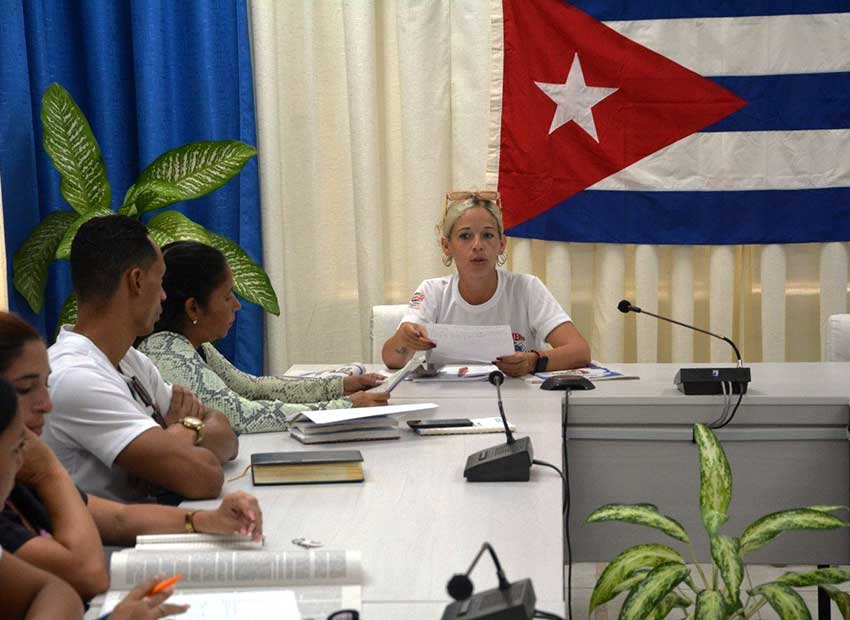
More than 78,000 workers, both in the state and private sectors in Las Tunas, whether union members or not, will be able to participate in the consultation on the draft Labor Code, which begins on September 8th and runs until November 30th.
Las Tunas, Cuba.- Dagmara Peña Sánchez, a member of the Provincial Secretariat of the Cuban Workers’ Central Union (CTC), in charge of Labor and Social Affairs, explained that the program includes 1,891 meetings in which attendees can express their opinions, suggest  changes, include undiscussed issues, and so on.
She added that, as part of the process, the CTC in the territory created a schedule with training activities for cadres, union and administrative leaders, legal experts, and activists at all levels, who will lead the exchanges. She emphasized the importance of ensuring the organized participation of all, with prior preparation.
Peña Sánchez highlighted that the consultation is the most significant political process undertaken by the union movement at this time. This is particularly important because, once approved, the law will govern the working life of the country.
In general, the consultation on the draft Code aims to enrich the text with contributions from groups, including Cubans who collaborate or are part of missions abroad.
The union leader urged workers to study the document in depth before the debates because, as experts have pointed out, it establishes new features to protect all workers, modernize labor relations, and adapt to the current economic reality, with protection extended to the private sector.
The new Labor Code updates and refines the regulations that guarantee the support of rights and compliance with duties arising from the individual legal-labor relationship between workers and employers, regardless of the sector in which they work, experts maintain. It is written to expand guarantees and rights.
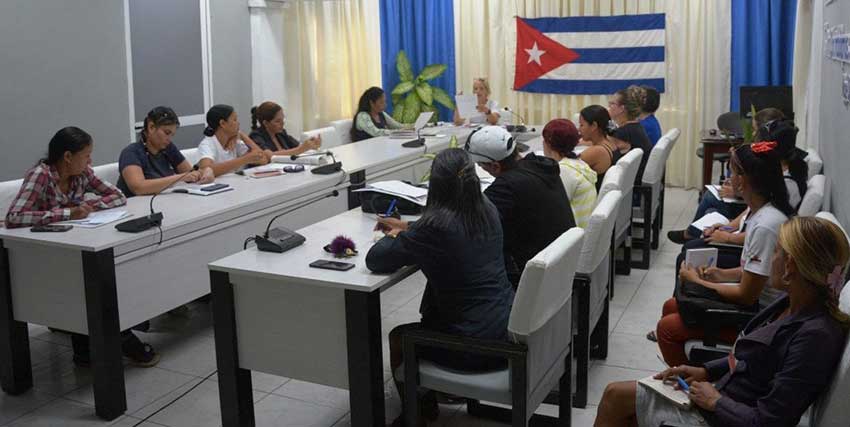
Its formation was led by a temporary working group that studied the comparative legislation of 17 countries and the 90 international conventions ratified by Cuba, stated Olgalidi Alapón Travieso, an expert from the Legal and International Relations Department of the Ministry of Labor and Social Security.
She added that this multidisciplinary team included representatives from agencies, organizations, labor law specialists, university professors, organizations, employers, and union leaders, who identified the issues that needed to be modified, incorporated, or updated.