


Several years ago, people began to settle in the areas adjacent to the Emilio González Morales poultry farm in the community of Becerra, in the capital municipality, and the decline of this important productive enclave began.
With complete tolerance, the newcomers became legal neighbors, and after a while, they began to complain about the natural stench of the facility and the health risks to which they had exposed themselves by their own decision, without anyone warning them of the dangers and violations.
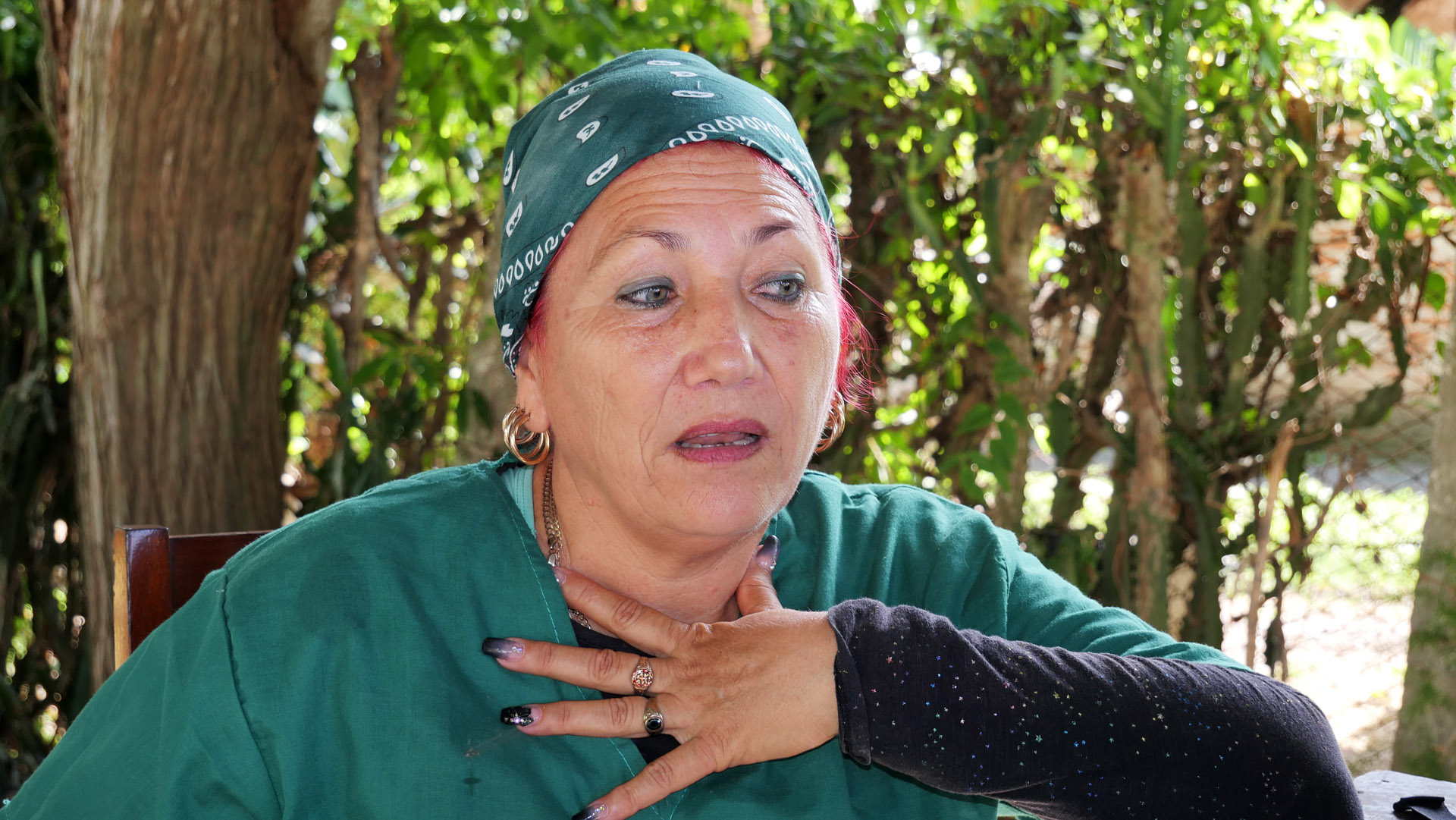
“In the end, the farm was finished,” says Anadelia Rodríguez Ávila with a certain nostalgia, because “in that center, they raised the chicks from the beginning, and I worked there occasionally when they cut their beaks.”
“Later,” says Anadelia, “the unit changed its corporate purpose to laying hens, and ‘the number of eggs produced was enormous!’” Then they called her to fill in, and she became an egg collector for “Emilio González Morales,” but as a result of the closure, she and her colleagues were declared unemployed.
THE WORK INTERRUPTION
In her case, the work interruption lasted for almost two years. “They paid me two months' basic salary and nothing for the rest of the time, but I retained the right to a job, and that kept me optimistic. I knew that here—she is referring to the José Mastrapa farm, where she now works as part of the labor collective that was created—they were building new barns, and I had a chance to come.”
Her perseverance was rewarded. She has now accumulated more than 13 years in a job that is “very challenging and demanding, because as a henner you are ultimately responsible for the birds in your care,” Anadelia emphasizes, making it clear that the role of this specialty is fundamental if you aspire to good results.
"It's not enough to know your obligations and master the routines, no. You have to have a lot of love for what you do and a lot of sensitivity,“ says Anadelia, emphasizing that ”you have to feed the chickens as they are, always in equal measure; keep them watered at all times; pass your hand over the feeders to relieve stress; give them calcium in the afternoons, clean the teats thoroughly...", no detail can be overlooked.
ANADELIA'S REBIRTH
Anadelia feels like a fish in water because “there is a lot of work and it is rigorous, but I like what I do. Look, I understand chickens well and just by looking at them I know if they are sick, if they need something, if they are stressed...”
Returning to this fascinating world gave her back one of the reasons for her existence, and Anadelia rewards her “reincarnation” by putting a lot of love into what she does, overcoming the obstacles of caring for an aging flock: they have more than three years of productive life, and there are some older ones.
Apart from that challenge, the efficiency of her work is 66 percent, higher than the 60 percent that marks good performance, according to established parameters.
Cooperative production has been a lifeline for the country's poultry industry and adds another source of joy for Anadelia: “It's good because it allows for better wages, and so far, there are guarantees of food for the chickens and work for us.”