


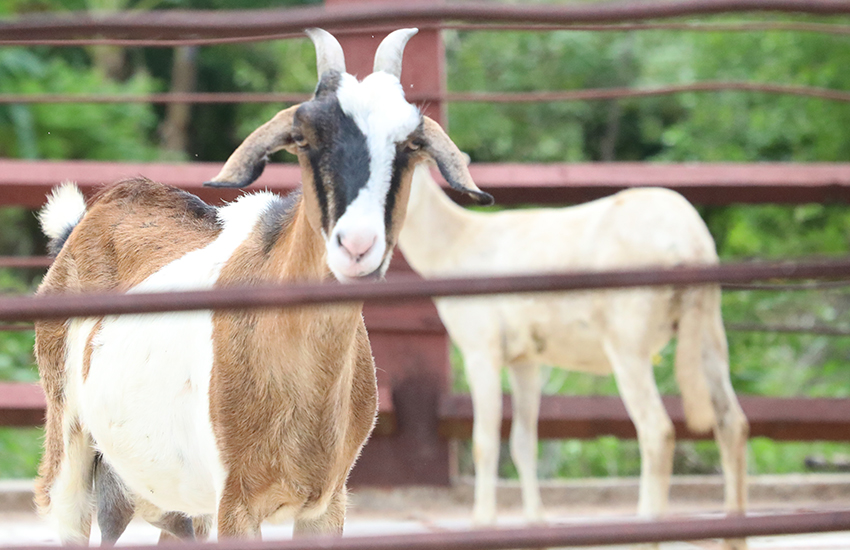
“We need this not to be because of the approaching date, and then after July 26, everything is forgotten,” said a citizen about the recent inauguration of the Meat and Small Livestock Derivatives Processing Center in the rural settlement of Dos Hermanos, in the southern municipality of Jobabo.
Jobabo, Las Tunas.- A couple of months after its opening, this small but dedicated collective assured that the first signs are good enough to be optimistic, although there are still difficulties.
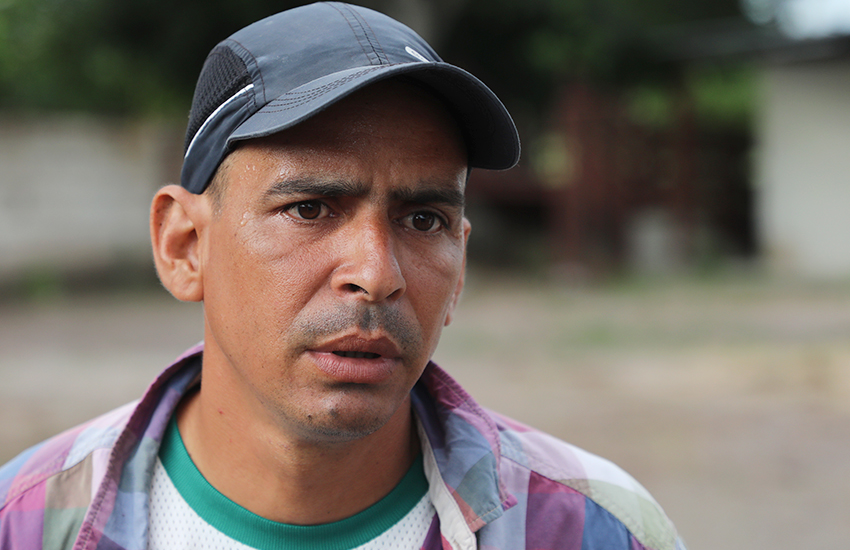
“We have achieved recognition and made an impact in our municipality. There is no other institution or company in the territory that can offer the sheep meat that we are offering,” says Yoendris Gómez Avilés, the chief specialist.
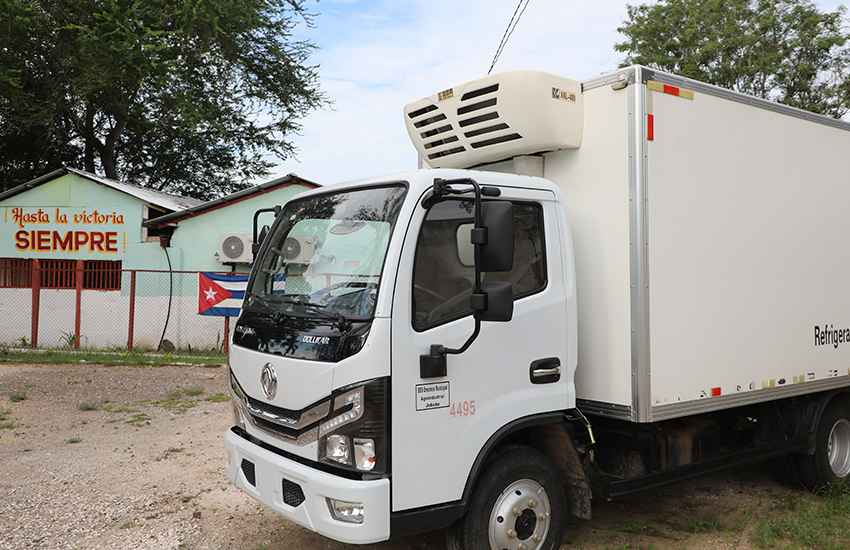
The result of an investment of more than 10 million pesos, including 84,000 in freely convertible currency, financed with Local Development funds and designed to link production with most of the agricultural units in the area, the facilities boast equipment that enables the hygienic and safe processing and preservation of meat, including a refrigerated truck.
Although they purchase the animals at the same price as other private traders, some of whom do not even have a license to do so, "Dos Hermanos" manages to offer the meat at 450 pesos per pound, which is lower than its competitors. The success, adds Gómez Avilés, is evident in the influx of customers to the point of sale in the municipal capital.
In the first month of operation, he says, we earned about 70,000 pesos, despite working only 24 days. Long power outages, sometimes lasting more than 24 hours at a time, put this initiative at a disadvantage, while it is highly dependent on electricity to run its equipment.
“So we changed our strategy. We collect animals during the week. We slaughter them on Fridays, and early on Saturday morning, we are already offering fresh meat at the market,” he explains.
Under this scheme, they are selling an average of 60 kilograms of meat per week, which, he points out, still does not meet the demand of local consumers. If the availability of electricity improves, he says, they could slaughter animals, portion, package, and store the meat, which they would then sell not only in their establishment but also to companies, hospitals, and daycare centers.
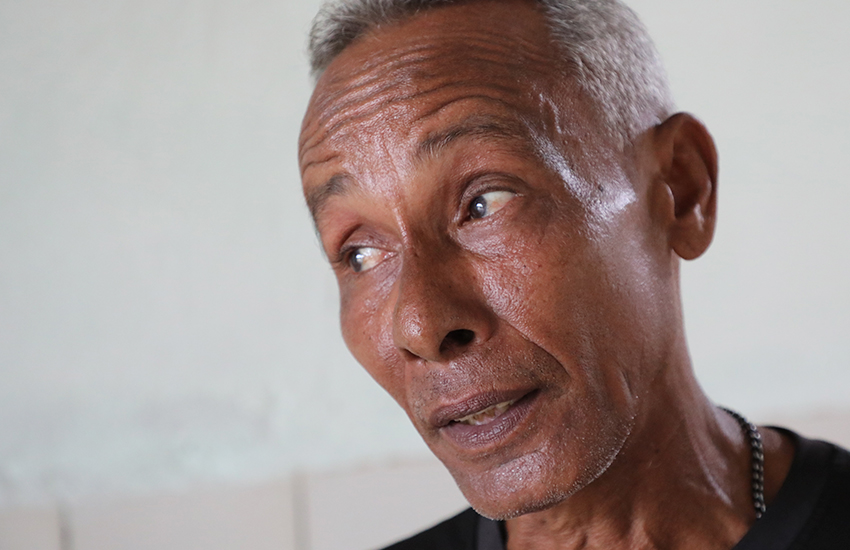
“Even though we buy at the same price as individuals, the project is profitable,” says Andrés Remedios Cutiño, the economist behind this endeavor. They use every part of the animal, including the hides and waste, which are purchased by the ranchers, he explains. However, he admits that the average salary of the seven workers (less than four thousand pesos per month) is below what one would expect.
Nevertheless, Remedios Cutiño clarifies that these incomes, derived from each person's results, will grow as the loans are repaid. “Because we also have to make investments. We have funds in the account that we could pocket. But we are aware that we must use the money that comes in to buy or pay for some materials we need,” he explains.
It is an interesting philosophy that contradicts what is usual in most Cuban ventures, which are often focused on quick profits. “The collective is small, made up of people who are aware that if something needs to be done, it has to be done by everyone,” she says.
Along the way, another very significant obstacle arises, according to the leaders of the initiative. The government's laudable emphasis on banking and the digital economy works against them, as their main suppliers live in areas where commercial transactions, due to technological and social circumstances, are still dominated by cash.
This often puts them at a disadvantage compared to their competitors, who can purchase animals by simply handing over cash. However, as their chief specialist points out, they have established business links with all forms of production in the area.
While they are already preparing other projects to undertake new tasks that take advantage of their full potential, in Dos Hermanos, they seem to be clear that patience is required to see their pockets “fatten” as they deserve. It would be advisable not to leave them alone in their efforts to achieve this.