


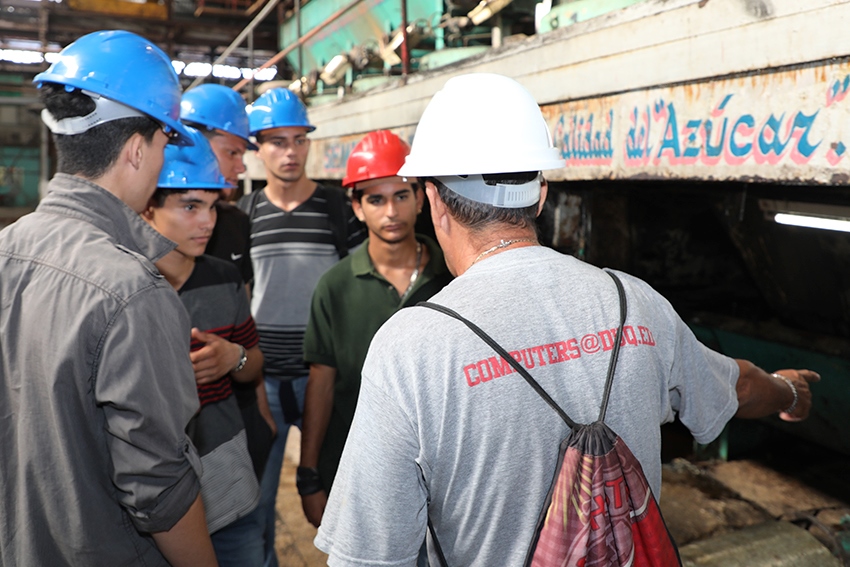
Technical and Vocational Education (ETP in Spanish) has opened its classrooms and workshops to some 7,600 students: 7,073 are enrolled in the regular daytime program, 527 in trade schools, and 141 in the program for working adults.
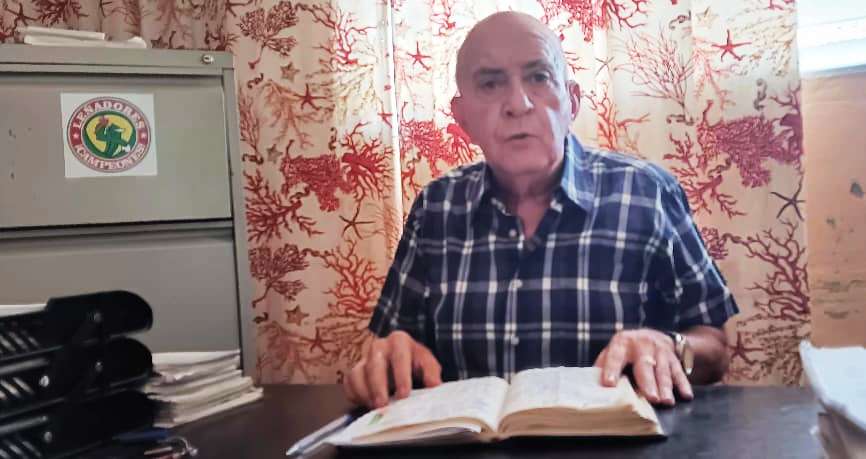
Las Tunas, Cuba.- Mario Morales García, head of that department at the Provincial Education Directorate, explained that, to ensure the smooth running of the educational process, they had been working since May on designing the program—implemented to overcome the obstacles posed by the difficult situation the country is facing.
He explained that the staff and specialists in this field took into account during their preparations the current difficulties caused by the U.S. embargo and the restrictions on fuel imports, which are manifested primarily in the energy crisis —including power outages— and transportation problems.
He said that the experiences of the previous school year served as the basis for designing strategies to ensure continuity in the training of the students who, upon graduating from this type of education, will join the province’s workforce. “We will not shirk that responsibility,” he emphasized.
The ETP in the province comprises 14 polytechnic institutes and three trade schools, offering 44 specializations: 36 for intermediate-level technicians and eight for skilled workers, with an emphasis on agriculture and automotive services. The training addresses the needs of the local technical workforce.
 As part of the strategy, he explained, all boarding students began the course in person, and 116 students from the Simón Bolívar coeducational polytechnic will then be dispersed to their home municipalities, where they will be relocated to the polytechnics in their respective territories to continue their studies.
To address these changes, they have recruited 102 specialists in production and services, who will work with students in the relevant courses required by the programs in the various specializations.
He stated that the goal is to reduce the number of students who do not receive direct instruction at their institutions and from their teachers. They have also planned for students to participate in group or individual institutional projects in their communities during non-class periods.
Other ways to make the most of this time include involving students in complementary programs such as social impact initiatives, cooperative production projects, or activities linked to the educational teaching strategy.
The head of that department within the Provincial Education Directorate calls for family involvement and is confident in the success of the new academic year because “in the vocational training process, we guarantee —through agreements— links with production and service organizations, where there are 350 certified off-campus classrooms, 125 specialized classrooms, and 169 certified educational production centers. We always have the support of specialists selected as mentors.”
During the previous school year, 1,208 students graduated in various specializations, and all of them —except those currently serving in the military— secured job placements with the support of the Department of Labor.